


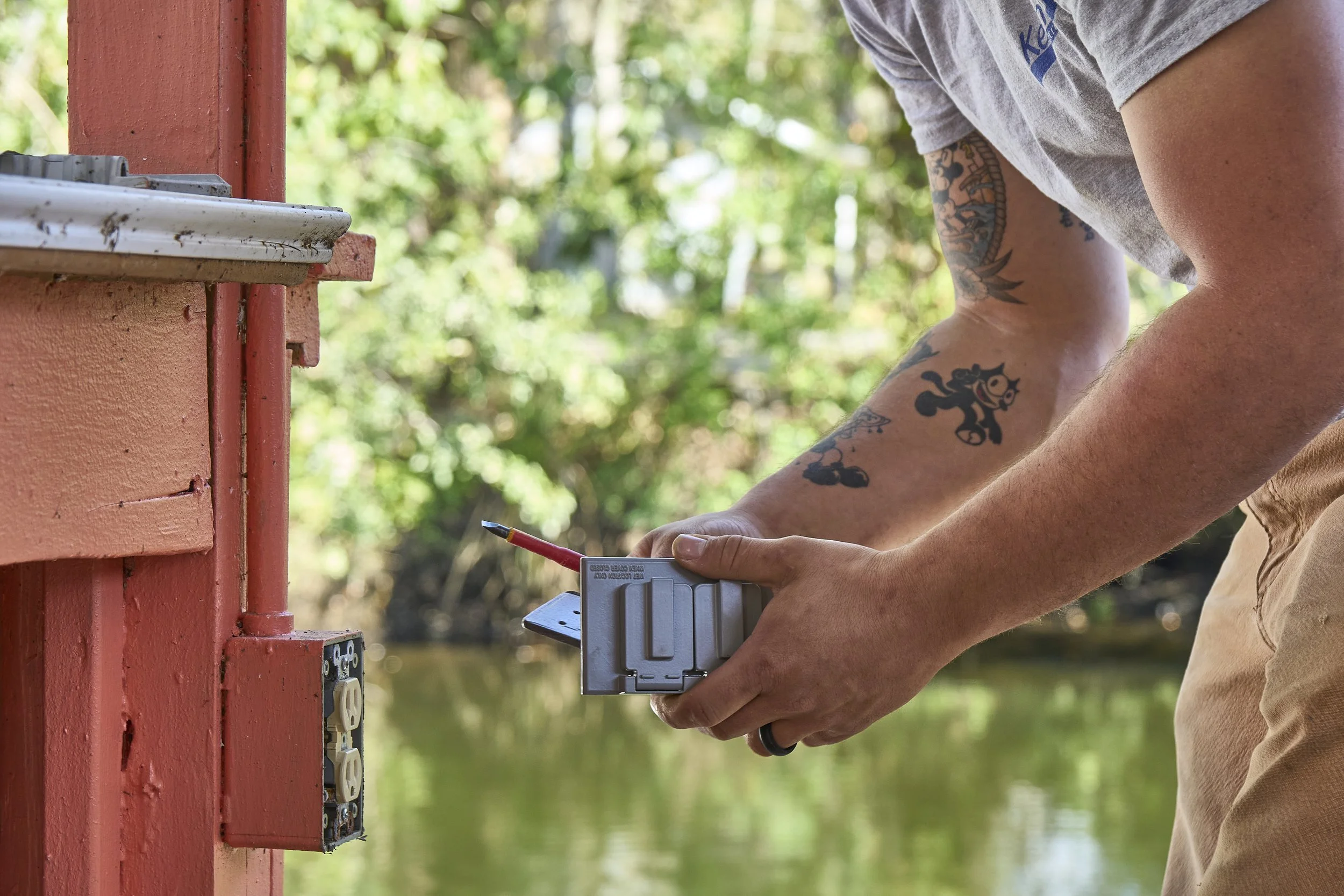
EV Charger Installation in Shady Hills, FL
Level 2 Charging at the Spot the Car Is Kept|Licensed & Insured, EC13011268
On a Shady Hills lot, the electric car might live in an attached garage, under a carport, in a shop behind the house, or out on a driveway pad. Each of those spots changes where the 240-volt circuit starts and how it reaches the car, so the estimate begins with the spot you'll actually use.
Say which spot the electric car usually uses.
Call (352) 251-2795, Monday through Friday, 8 a.m. to 4 p.m., or send a request online. Calls after hours are returned the next business day.
At a glance
Every Home on Its Own Service
Shady Hills has about 4,460 homes, and by the survey's estimates, almost none are in buildings with two or more units. About 2,240 are detached houses and about 2,150 are mobile homes, in Census Bureau survey estimates for 2020 through 2024. So a charger here is planned around one home's service and one lot, and the first thing to settle is which spot on that lot the car will use. A mobile home's meter and main breaker generally sit on a post outside it, which moves where the run begins.
About 1,170 of the 3,856 occupied homes have three or more vehicles available, by the same estimates. With several vehicles on one lot, the spot left for the electric one sets the length of the run.
How it runs
How the Run Gets Measured
-
1
The spot is named first
Before the visit, decide where the electric car will be parked, and let us know if that could change. A carport this year and a shop next year are two different routes, so say so, and both can be reviewed during the visit.
-
2
Where the power starts
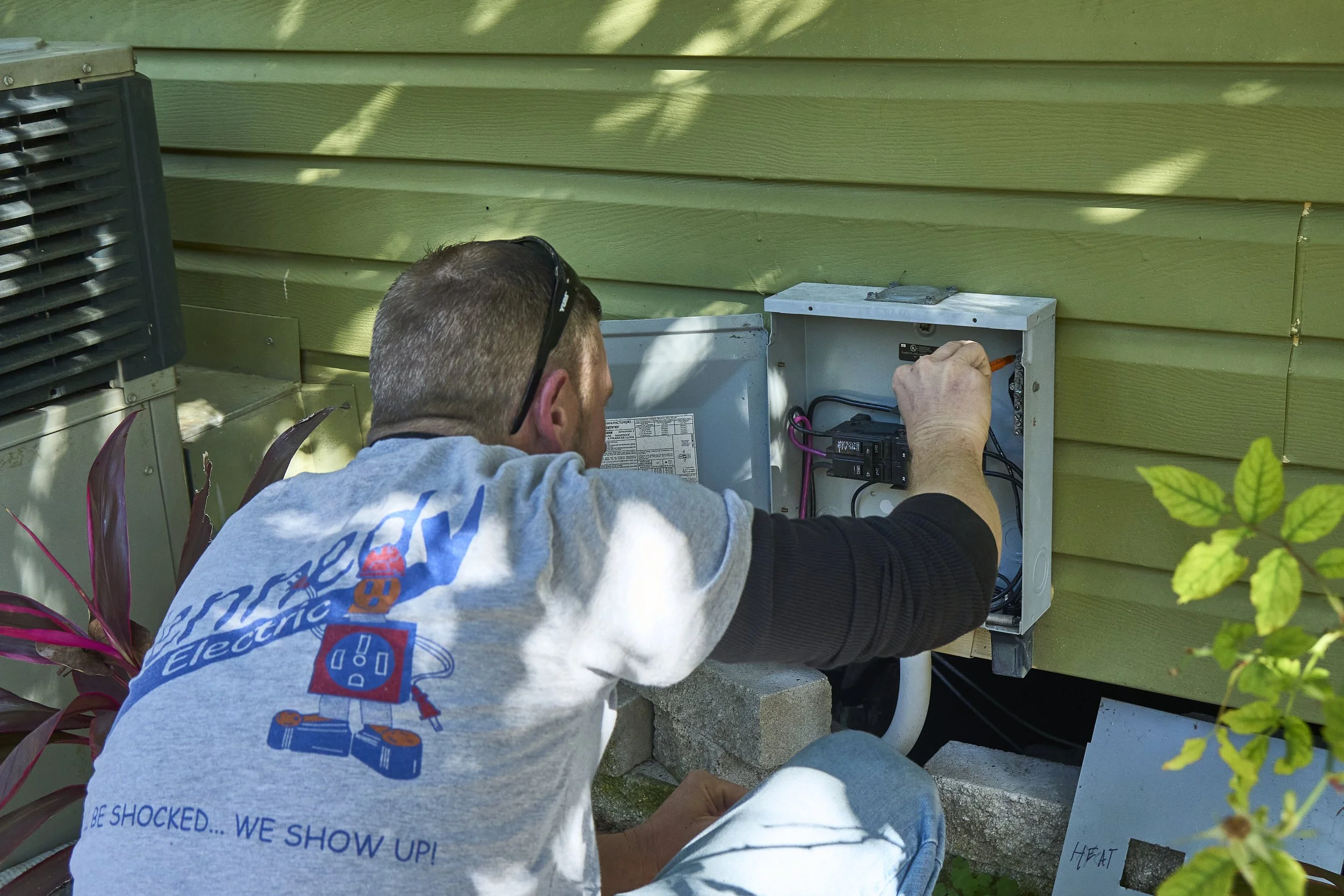
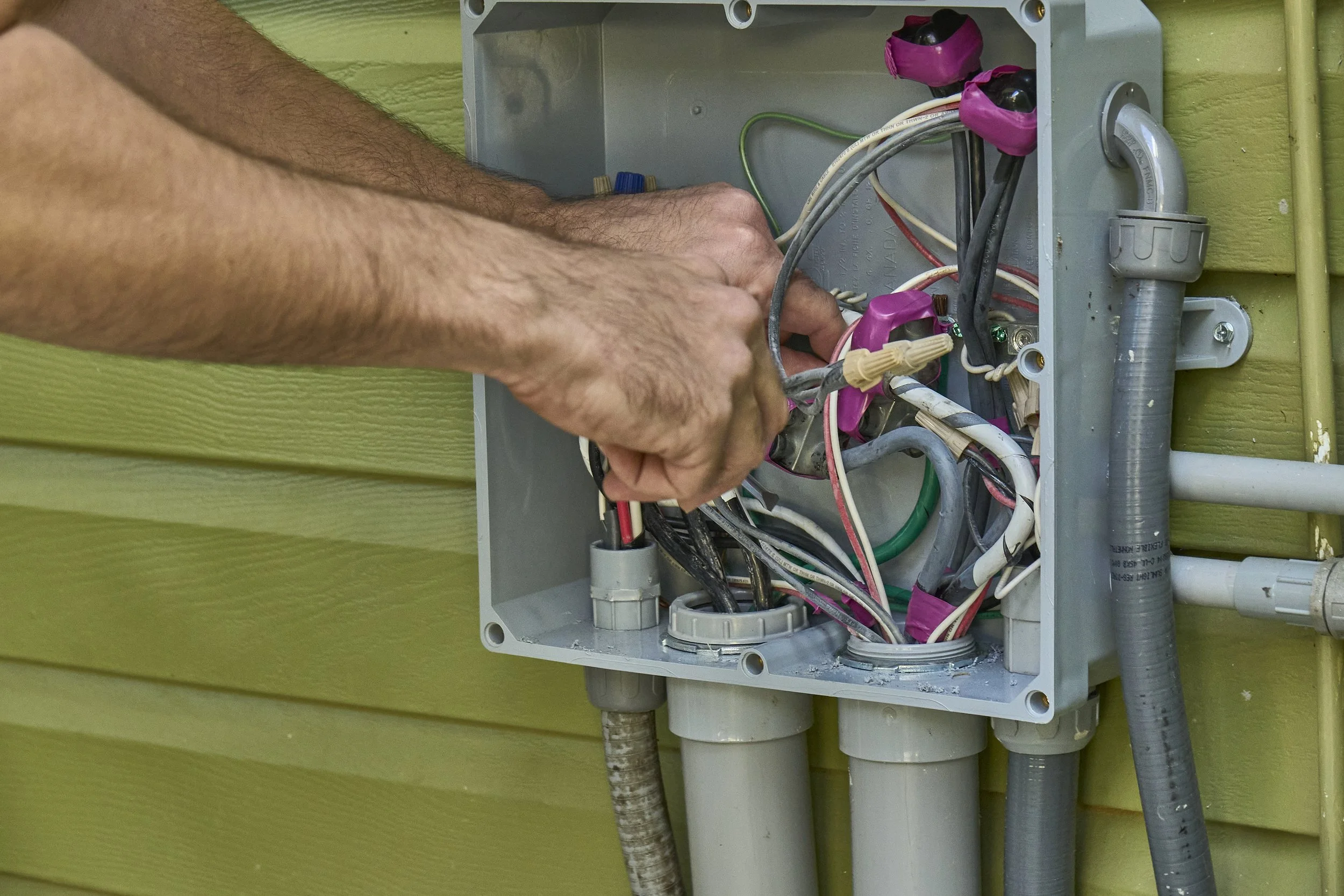
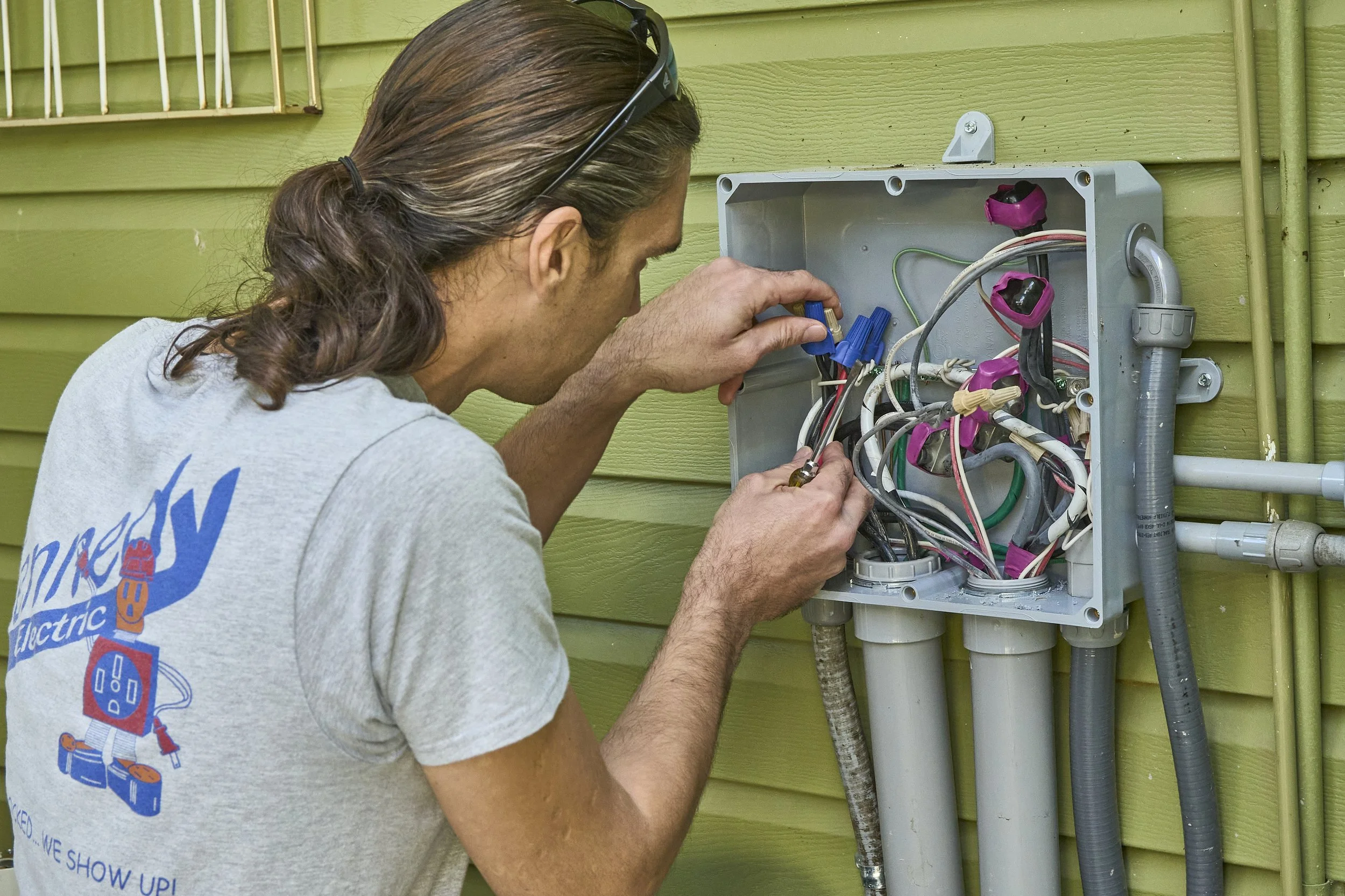
The estimator finds the service: the meter and panel on a house wall, the post that feeds a mobile home, or a panel already in a detached building. The circuit begins at whichever one has the capacity, and the house's load check indicates how much room is left for a charger.
-
3
Everything between that point and the car
From the starting point, the estimator follows the path to the spot and notes what lies in between: an attic, an outside wall, open yard, or a driveway.
-
4
The permit and the mounting
Pasco issues the permit we applied for, and the county's inspection is scheduled after the wiring. On the install day, the receptacle or wall unit is mounted at the spot you named before the visit, where the car will actually be kept.
What we cover
Five Places the Car Might Be Kept
An attached garage: Often the shortest route, since the panel can sit on a garage wall or close by.
A carport: The charger mounts on a carport post or on the house wall facing the car, and only an outdoor-rated unit belongs there. The run can leave the house through the wall nearest the carport.
A detached garage or shop: When the building has no power yet, a circuit from the house panel runs underground to it. If the building already has a circuit from the house, that one supply is replaced or resized to carry the charger, since a detached building generally takes only one.
Open ground or a driveway pad: On the larger lots, the car may sit in the open with no garage or carport near it, so the route to it crosses the yard.
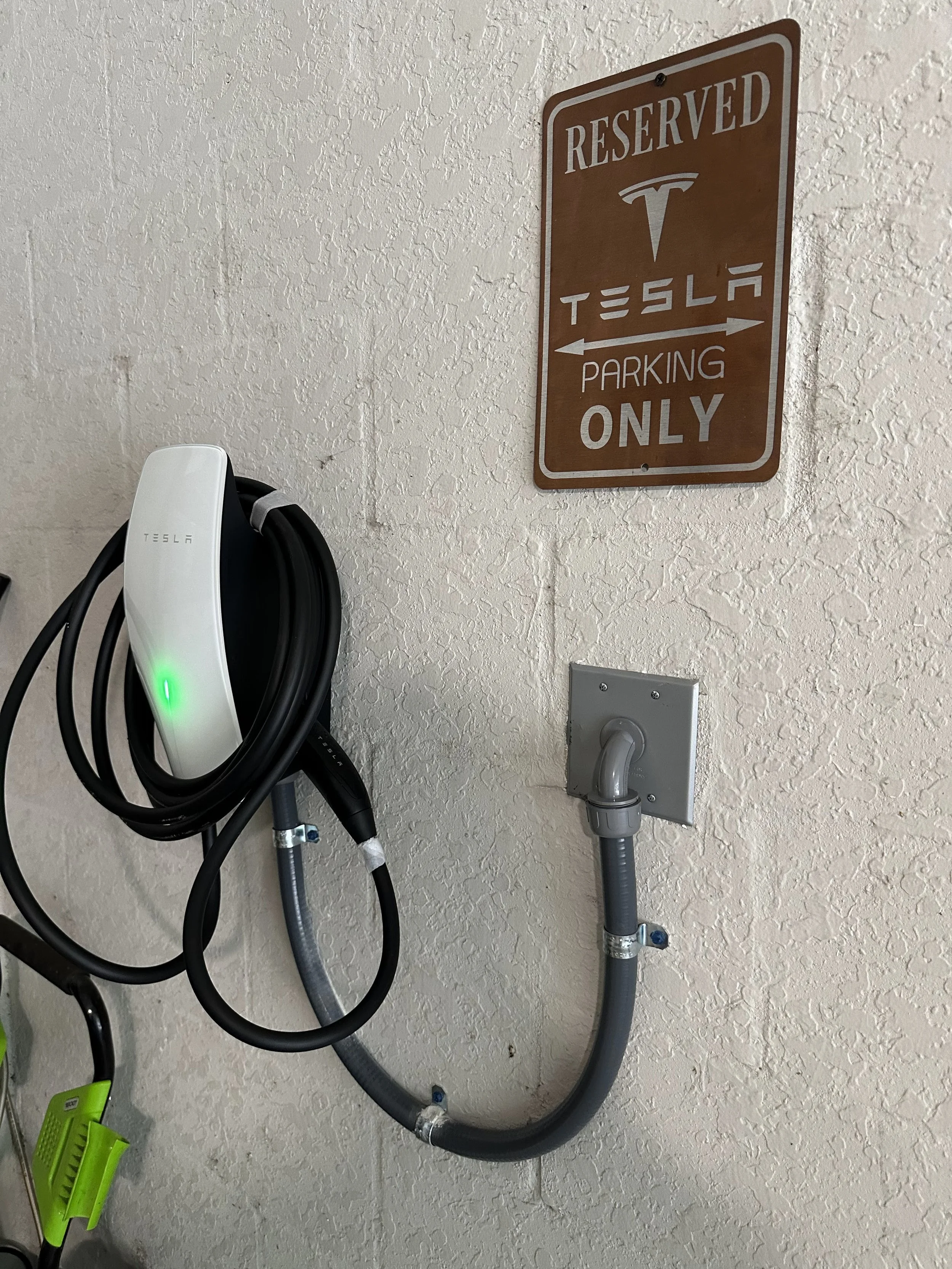
Beside a mobile home: The charger goes on the home's wall or on a post by the parking spot, wherever its cable reaches the car's port, and a unit open to the weather carries an outdoor rating.
Pricing
What the Spot Adds to the Estimate
Custom homes and large or multi-phase projects are estimated as soon as we can, or on the timeline your project sets.
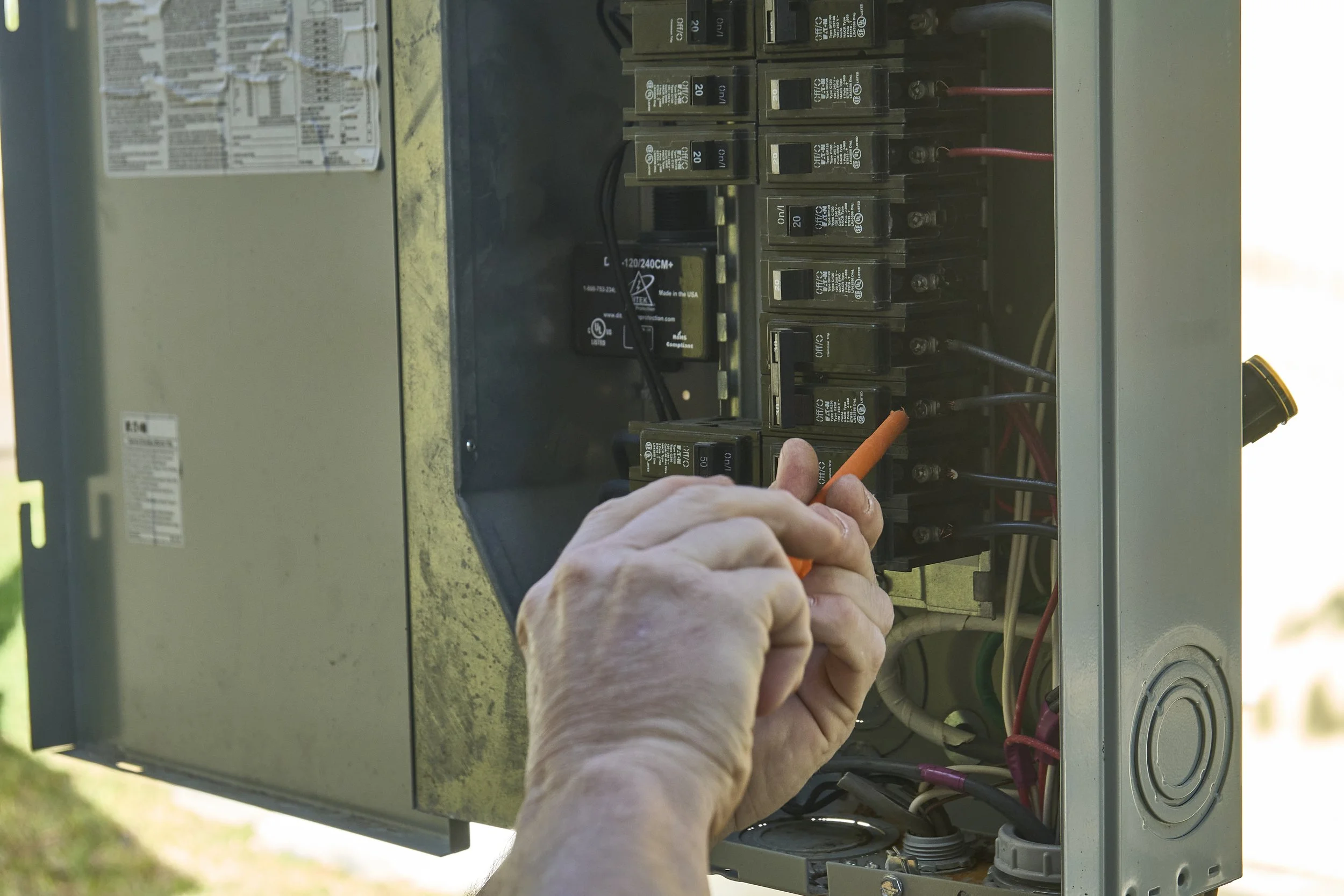
On these lots, the distance from the starting point to the spot is one of the main factors that drives the estimate, so a charger a few feet from an attached-garage panel and an underground run out to a shop or an open pad are priced differently. If the load check calls for panel work or a load-management device, the written estimate shows it as an option.
We don't do upfront pricing. No job has a standard price with us: each one is tailored to the property and the work you've asked for, and priced once we've seen it.
We offer free estimates on installations, upgrades, and replacements in our service area. Estimates aren't free when the job needs troubleshooting or testing to price, falls after hours or outside our service area, needs several meetings to gather information, or is new construction or a custom remodel with multi-party walk-throughs. For most jobs, estimates arrive by email by the end of the next business day, and quotes are good for 30 days.
Our warranty
04If something we installed fails because of our workmanship within 30 days of completion, we waive the hourly labor to put it right. Materials Kennedy Electric purchases for your job carry the manufacturer's one-year warranty. To replace defective materials we supplied, or materials damaged by storm, flood, fire, or other acts of God, we charge a reduced warranty labor rate of $50 an hour residential and $75 an hour commercial. The warranty does not cover materials not purchased by Kennedy Electric, work performed by the customer, or materials the customer purchased or damaged. Our warranty terms are printed on the estimate, the invoice, and the receipt, and the product boxes stay with you so you can register each product with its manufacturer.
Like plenty of Shady Hills households, we have three vehicles, and a truck already uses the bay beside the panel. Does the charger have to go there?
Our Shady Hills charger will hang under the carport, outside the house. What does the Pasco permit ask for?
The shop out back already has its own panel. Can the charger be fed from there?
Our car sits out on a pad, well away from any wall. What does the charger mount on?
How long a cable does the charger need to reach the car under our carport?
Reviews
Word From Jobs We Have Finished
Straight from Google, in our customers' own words.
Request service
Pick the Spot for Your Estimate
Say where it's kept and whether the home is a house or a mobile home. Our office will reach you during business hours.