

How Whole-Home Surge Protection Provides Peace of Mind
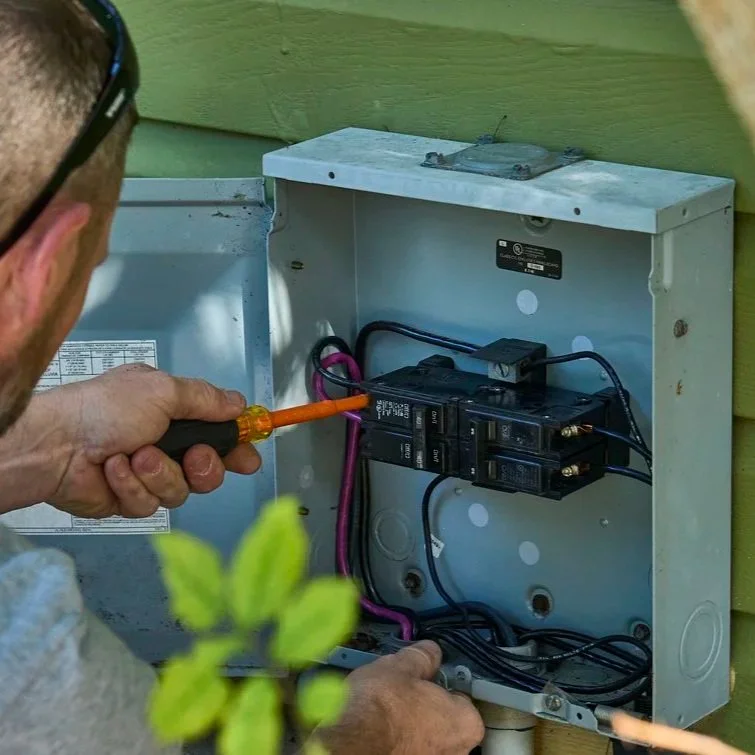
Surge protection works quietly in the background, intercepting those voltage spikes before they can reach your home’s sensitive electronics and appliances.
Power surges happen more often than most homeowners realize. They’re not just rare lightning-related events. They can come from utility grid shifts, large appliance cycling, or even that neighbor three houses down who just installed a hot tub with questionable wiring choices. Surge protection works quietly in the background, intercepting those voltage spikes before they can reach your home’s sensitive electronics and appliances.
Without surge protection, your fancy fridge, smart thermostat, gaming console, or built-in speaker system could be one power fluctuation away from a total meltdown. A whole-home surge protector acts like a bouncer at the electrical panel, turning away the rude guests before they ruin the party.
Professionally installed surge protection handles the heavy lifting across the entire home, not just one outlet or extension cord. It's built into the main panel and protects your entire electrical ecosystem.
Small Surges Add Up Over Time
Not every surge is a dramatic zap, a puff of smoke, and flickering lights. Most are minor voltage spikes that occur throughout the day, chipping away at the lifespan of your electronics. Over time, these little disruptions can lead to premature failure, mysterious performance issues, or that dreaded moment when your coffee maker simply gives up and blinks at you like it's seen too much.
Surge protection isn’t just about stopping the big surges. It’s also about managing the steady stream of smaller ones. Professional electricians install devices rated to handle frequent micro-surges, giving your appliances and systems a longer, healthier life.
A $30 toaster might not break your heart. But when the damage hits your HVAC system, media center, or built-in lighting, the frustration multiplies quickly. Whole-home protection acts like a security blanket for every circuit.
Why Plug-In Protectors Are Only Half The Story
Many homeowners rely on power strip surge protectors without realizing their limitations. A plug-in strip might save your TV during a minor surge, but it can’t do anything for your washer, dryer, or hardwired smart lights. It also has a limited clamping voltage, meaning some surges can still sneak through if they’re intense or sustained.
Whole-home surge protection tackles those vulnerabilities head-on. Installed at the main panel, it diverts excess electricity away from your home’s wiring before it reaches your outlets. That means your hardwired dishwasher and your bedside lamp receive the same level of protection, regardless of where they’re plugged in.
Professionals recommend using both—a whole-home protector to stop major surges and plug-in protectors for delicate devices like computers or audio equipment. It’s a layered defense strategy that works for real homes and real habits.
Protecting Modern Homes With Smart Devices
Today’s homes are smarter than ever. Thermostats talk to your phone. Doorbells send video feeds to your tablet. Ovens have Wi-Fi. Even washers and dryers now send text alerts when your clothes are dry. All those features make life easier, but they also make your home more vulnerable to electrical damage.
Smart devices are sensitive. Their circuit boards, sensors, and processors were not designed to handle electrical chaos. One well-placed power surge can fry the internal components and render them useless.
Electricians install whole-home surge protection with today’s tech-heavy homes in mind. The goal isn’t just preventing inconvenience. It’s preserving the investment you’ve made in smart living. Surge protection gives all those fancy gadgets a better shot at long-term performance.
Managing Seasonal Storm Activity
Some regions deal with frequent thunderstorms, lightning strikes, or unstable utility power. During the summer, HVAC systems power up and down constantly. In winter, heaters demand more juice. All that activity increases the risk of fluctuations in the power supply.
Surge protection acts like armor for your home’s electrical system during weather-related instability. When a lightning strike hits nearby, or the power company flips a transformer during a windstorm, the surge protector at your panel reacts in microseconds to redirect the extra voltage safely away.
Professionals select protectors rated for the conditions in your area. That means your home gets tailored protection based on regional electrical threats. It’s like giving your panel a custom umbrella during the rainy season—and a shield when the sun gets feisty.
Avoiding Damage To Major Appliances
Refrigerators, washers, dryers, air conditioners, and water heaters are not cheap to replace. These appliances are also directly connected to your electrical system. They can’t plug into a strip protector, and they usually lack internal surge resistance.
Whole-home surge protection offers the only practical way to protect these high-dollar machines. It keeps the motors, controls, and sensors from taking the full brunt of a surge, which helps prevent failure or weird electrical behavior like flickering displays or unresponsive controls.
Professionally installed systems also protect electric vehicle chargers, home battery backups, and solar inverters. In short, if it plugs in or wires in, it deserves protection.
Preserving Comfort And Reducing Downtime
When power surges strike, they don’t ask if you’re in the middle of a movie or trying to cook dinner. They don’t check the weather or your calendar. They just hit, and if the protection isn’t in place, the aftermath can be expensive and disruptive.
With whole-home protection, comfort stays consistent. Your heating, cooling, lighting, and appliances stay safe. You won’t have to scramble for replacement parts, reschedule dinner plans, or explain to the kids why the PlayStation is now a decorative paperweight.
Professionals understand how to balance surge protection with your daily routine. They install units that operate quietly, require little maintenance, and activate automatically—no reset buttons or blinking lights to interpret.
Choosing A Unit That Matches Your Home
Surge protectors come in different sizes and configurations, and not every model is right for every home. A small bungalow doesn’t need the same protection level as a 6-bedroom house with a home theater, pool system, and rooftop solar panels.
Electricians evaluate your panel’s capacity, the number of circuits, and how you use electricity before selecting the right device. Some homes need a surge protector with high joule ratings and multiple modes of protection. Others do fine with a more compact model designed for moderate loads.
Professionals install protection systems that match your lifestyle. Whether you live solo with a laptop and an air fryer or you’re running a household full of gadgets, there’s a surge protector built to match your needs.
Installation Matters More Than You Think
Installing a surge protector isn’t just about clipping it to the wall and walking away. Proper installation involves connecting it directly to the panel with minimal wire length. Too much wire between the device and the breakers can reduce effectiveness and allow some of the surge to sneak through.
Electricians use proper lugs, torque tools, and installation techniques that follow code and maximize performance. They place the protector in the correct location within the panel and label everything clearly for future reference.
That attention to detail means your system works when it counts. No guessing, no hoping—it activates when needed and protects your equipment exactly as intended.
Monitoring And Maintenance Options
Some surge protectors offer built-in diagnostics or LED indicators to show whether protection is active. Others connect to smart panels and send alerts if the system has absorbed a surge and needs replacement.
Professionals can recommend models that align with your monitoring preferences. Want a simple green light that says “all clear”? Easy. Prefer something with a dashboard on your phone that tracks energy activity? That’s possible too.
Surge protectors don’t need much upkeep, but having the ability to check status from time to time brings peace of mind. It’s another way to feel in control of your environment without crawling around the breaker box.
Layering Protection For Full Coverage
Whole-home surge protection is the first line of defense, but it works best when paired with plug-level protectors at sensitive outlets. Professionals refer to this as layered protection.
The surge protector at the panel handles the big surges from outside sources, while individual outlet protectors handle surges from within the home. For example, when your air conditioner powers on, it might create a spike that affects other circuits. A good plug-in protector on your media center absorbs that localized ripple.
Professionals explain how to build a layered strategy that suits your setup. It’s not about buying more gadgets. It’s about protecting what matters and choosing coverage where it makes the most sense.
Making Surge Protection Part Of Your Lifestyle
Surge protection isn’t a luxury anymore. It’s part of a modern home that runs on smart tech, sensitive devices, and lifestyle-specific equipment. Whether your kitchen hums with high-end appliances or your garage is home to an electric vehicle, protection is no longer optional.
Professionals install surge protection as part of an overall electrical strategy. It’s not just a device on the wall. It’s a commitment to safety, comfort, and stability. Surge protection adds value, reduces risk, and creates a quieter electrical environment that lets you enjoy your space without worry.
Your home doesn’t need to live on the edge of every storm, grid change, or voltage hiccup. With professional surge protection in place, you can sip your coffee, stream your shows, or work from home knowing your systems are guarded, steady, and ready for whatever comes through the wires next.
Trust Kennedy Electric for expert ceiling fan installation, whole-house electrical surge protection, GFCI outlet installation, and other residential electrical services in Citrus, Hernando, and Pasco Counties. We take pride in offering efficient and on-time solutions to ensure home safety and peace of mind. Our aim is to ensure that your electrical systems work uninterrupted. Book a service today by calling us.
