
Choosing Between Traditional and Smart Locks for Home Security
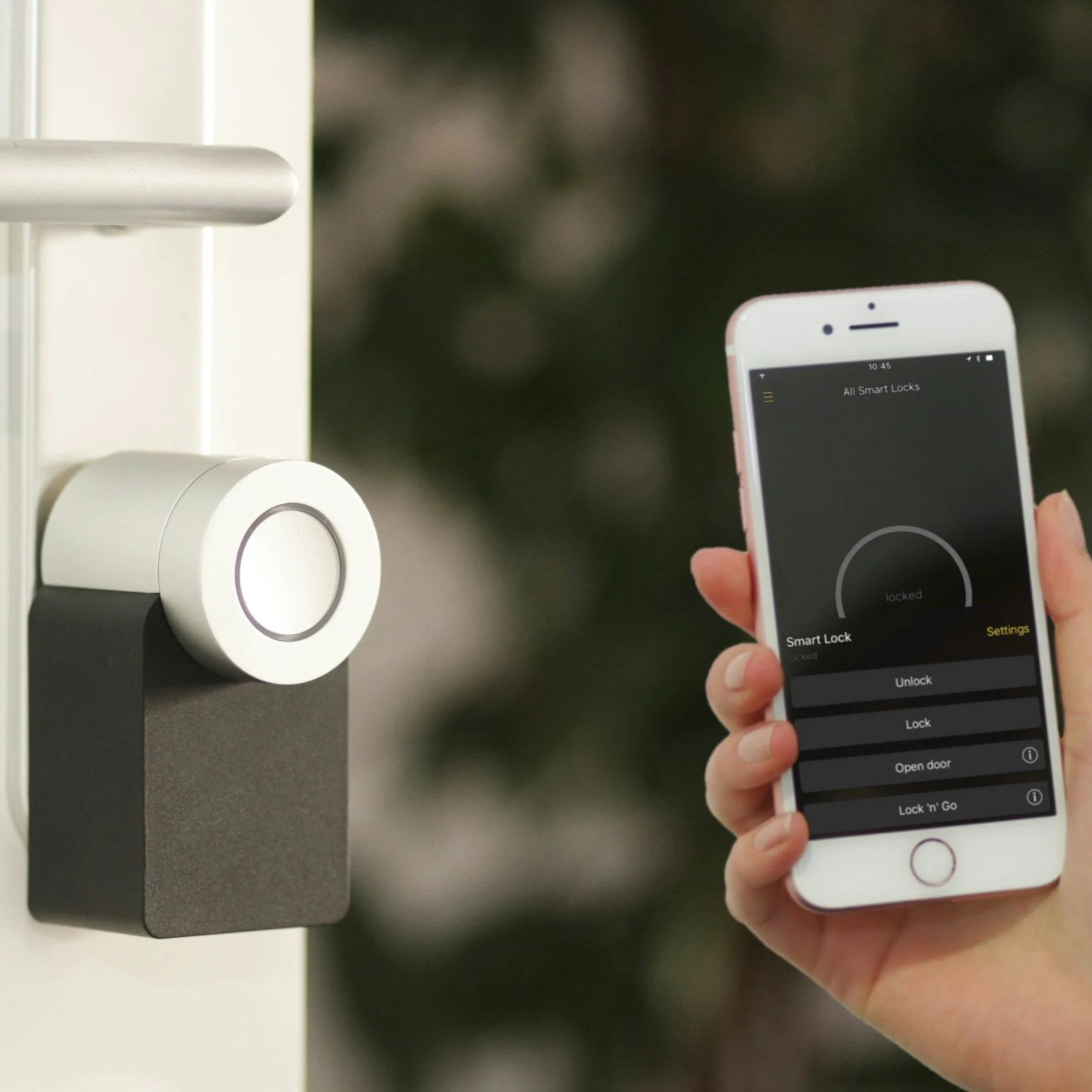
Both options offer security, reliability, and peace of mind, but they come with distinct features that cater to different lifestyles and preferences.
Locks serve as the first line of defense in home security, but with advancements in technology, homeowners now face a choice between traditional and smart locks. Both options offer security, reliability, and peace of mind, but they come with distinct features that cater to different lifestyles and preferences. Understanding the strengths of each makes selecting the right lock easier.
The Reliability of Traditional Locks
Traditional locks have secured homes for centuries, offering a simple and effective way to protect entry points. Deadbolts, knob locks, and mortise locks operate without electronics, making them immune to power failures or hacking attempts. High-quality deadbolts remain one of the strongest deterrents against break-ins, especially when paired with reinforced strike plates and solid-core doors.
Mechanical locks also require minimal maintenance, aside from occasional lubrication and key duplication. For those who prefer a straightforward, budget-friendly security solution, traditional locks continue to provide dependable protection.
The Convenience of Smart Locks
Smart locks introduce modern convenience by eliminating the need for physical keys. Keyless entry options include PIN codes, fingerprint recognition, and smartphone access, allowing homeowners to unlock doors remotely. Features like temporary access codes make it easier to grant entry to visitors, contractors, or house sitters without the hassle of spare keys.
Many smart locks integrate with home automation systems, enabling homeowners to lock or unlock doors from anywhere using a mobile app. Some models even send real-time alerts when doors are accessed, providing extra security awareness. While smart locks require batteries and occasional software updates, their convenience outweighs the minor upkeep for many homeowners.
Comparing Durability and Security
Both traditional and smart locks offer strong security when installed correctly, but durability depends on build quality. A solid deadbolt with a reinforced door frame holds up against forced entry attempts, making it an excellent choice for physical security. Smart locks, while advanced, still rely on mechanical locking components, and high-end models feature the same level of durability as their traditional counterparts.
Cybersecurity considerations come into play with smart locks. While most reputable brands offer encrypted connections and secure access methods, some models remain vulnerable to hacking attempts. Choosing a trusted brand with strong encryption and regular software updates reduces this risk.
Installation and Maintenance Considerations
Traditional locks require minimal effort to install, making them an easy upgrade for homeowners comfortable with basic tools. A locksmith provides expert installation, rekeying services, and additional reinforcements to improve security further. Once installed, mechanical locks require little attention beyond periodic maintenance.
Smart locks involve a more complex installation process, often requiring adjustments to door alignment and Wi-Fi or Bluetooth setup. Batteries need to be replaced periodically, and software updates keep security features up to date. Despite these extra steps, many homeowners appreciate the added functionality and control smart locks provide.
Finding the Right Fit
The best choice depends on lifestyle, security needs, and personal preferences. Traditional locks offer reliability without the need for technology, making them ideal for those who prefer a low-maintenance approach. Smart locks provide convenience, remote access, and enhanced control over home security, appealing to tech-savvy homeowners who value flexibility.
A locksmith helps determine the best lock based on security goals, door types, and budget. Whether opting for a high-quality deadbolt or embracing smart technology, professional installation guarantees a secure fit and long-lasting performance.
Upgrading home security starts with selecting the right lock. Traditional and smart locks each bring their own advantages, allowing homeowners to choose the option that best suits their needs. With expert guidance and proper installation, any home can stay secure while offering the right balance of convenience and protection.
Trust Kennedy Electric for expert ceiling fan installation, whole-house electrical surge protection, GFCI outlet installation, and other residential electrical services in Citrus, Hernando, and Pasco Counties. We take pride in offering efficient and on-time solutions to ensure home safety and peace of mind. Our aim is to ensure that your electrical systems work uninterrupted. Book a service today by calling us.
