The Role of Energy-Efficient Lighting in Sustainable Living
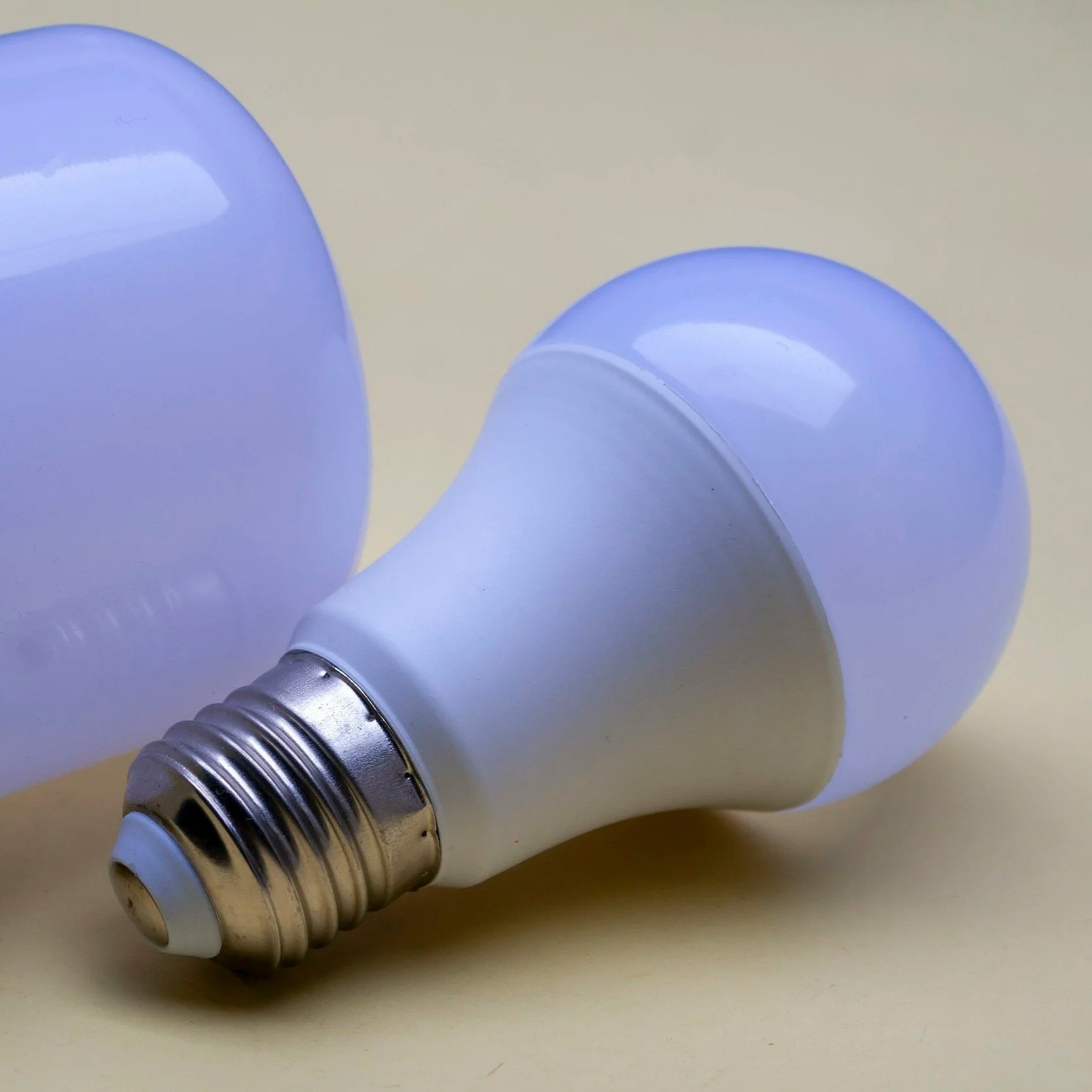
Today’s energy-efficient lighting plays a key role in shaping modern living spaces that are smarter, more sustainable, and much easier on the electric bill.
Lighting has come a long way from buzzing fluorescent tubes and incandescent bulbs that cooked more than they illuminated. Today’s energy-efficient lighting plays a key role in shaping modern living spaces that are smarter, more sustainable, and much easier on the electric bill.
When professionals install energy-efficient lighting, they do more than just swap out bulbs. They help homeowners reduce energy use, enhance ambiance, and contribute to broader goals such as lower carbon footprints and long-term economic savings. From a professional’s perspective, lighting design has become a central feature in the shift toward conscious, forward-thinking homes.
Shifting Priorities In Home Illumination
Light used to be functional and sometimes decorative, but rarely sustainable. People picked fixtures based on shape, not efficiency. Now, cultural awareness around energy use and climate change has reshaped how homeowners think about lighting.
Homeowners want spaces that look good and perform efficiently. They also want systems that support their environmental values and personal habits. Energy-efficient lighting has evolved in response, blending technology and lifestyle into a single design goal. Professionals help guide this evolution by recommending solutions that support social, economic, and cultural themes—like sustainability, minimalism, and smart automation.
LEDs Are Doing Heavy Lifting Behind The Scenes
If there’s a superstar in energy-efficient lighting, it’s the LED. These little diodes produce bright light without wasting electricity as heat. They last up to 25 times longer than incandescent bulbs and use about 75 percent less power.
But longevity and low wattage are only part of the story. LEDs come in a wide range of temperatures, from warm white to crisp daylight. They also fit into recessed cans, under-cabinet systems, accent fixtures, and even vintage-style filament bulbs. That makes them ideal for modern home lighting plans that focus on mood and energy savings. Professionals install LED systems with compatible dimmers, zoning controls, and smart integrations. They also design layouts that support natural light during the day and comfortable illumination at night—cutting energy use without sacrificing style.
Lighting Design Isn’t Just Cosmetic
Choosing where to place lights and how to direct them has real consequences. Poor lighting design results in shadowy corners, overlit ceilings, and eye strain. Efficient lighting design creates layered environments with general, task, and accent lighting working together.
Professionals walk through each room to understand how it’s used—where people read, cook, work, or wind down. Then they layer the light appropriately to reduce waste. That means using focused task lighting instead of blasting the entire room with overhead bulbs. By directing light where it’s needed and avoiding glare or overlap, homeowners reduce electricity use without compromising visibility or comfort.
Smart Controls Support Smarter Habits
Motion sensors, timers, and dimmer switches don’t just look cool; they also save energy. They support energy savings by reducing unnecessary use. For instance, lights that turn off automatically in unoccupied rooms can dramatically cut waste in homes with kids, pets, or forgetful adults.
Smart lighting systems also respond to natural rhythms. Many homeowners now want circadian lighting that shifts color temperature throughout the day, matching sunlight in the morning and warming in the evening. It’s better for sleep, mood, and energy savings. Professionals install smart hubs that integrate with other systems, allowing voice commands, mobile app control, and automatic scheduling. That makes energy-efficient habits feel less like chores and more like modern living.
Outdoor Lighting Joins The Conversation
Sustainability doesn’t stop at the front door. Exterior lighting often burns longer and brighter than necessary, especially for homes with outdated fixtures or poor placement. Upgrading to motion-activated or solar-powered LEDs reduces waste and keeps the neighbors happy.
Professionals evaluate outdoor lighting for both function and aesthetics. That means illuminating walkways for safety, showcasing landscaping with spotlights, and using warmer tones to reduce light pollution. Dark sky compliance is becoming a bigger part of outdoor design as communities focus on preserving natural night environments. Professionals help homeowners balance visibility and sustainability with fixtures that shine down, not up, and only when needed.
Energy Codes And Incentives Keep Evolving
Local and national building codes have shifted to reflect better energy use. Many now require a percentage of fixtures in new homes or remodels to meet energy-efficiency standards. Some even mandate smart lighting controls in certain rooms.
Professionals stay current with these codes and help homeowners make informed decisions. They also point out available incentives, such as rebates for ENERGY STAR-rated fixtures or tax credits for integrated lighting systems in energy-efficient buildings. Sustainability isn’t just a buzzword—it’s built into regulations and reward systems. The right lighting plan not only saves energy but may put money back in homeowners’ pockets.
Cultural Values Influence Fixture Choices
Design trends reflect deeper cultural movements. Minimalism, for example, has shaped a demand for recessed fixtures, hidden LED strips, and unobtrusive task lighting. Other homeowners lean into retro-inspired fixtures with updated LED guts—honoring the past without reliving the power bill.
Color temperature preferences also vary. Some favor the cool clarity of daylight LEDs for kitchens and workspaces, while others want warm, cozy glows in bedrooms and living rooms. Professionals tailor installations to each homeowner’s tastes, lifestyle, and values. Lighting isn’t one-size-fits-all, and modern sustainable living respects that diversity.
Retrofitting Offers Big Returns
Not every home starts fresh. Plenty of households are ready to improve, but don’t want a full renovation. Retrofitting existing fixtures with energy-efficient alternatives offers a low-disruption way to upgrade performance.
Professionals assess each fixture, recommend LED-compatible replacements, and, when necessary, perform rewiring and check load compatibility for new dimmers or smart switches. A properly retrofitted home can reduce lighting energy use by 40 percent or more without losing charm or comfort. It’s a sustainable option that respects the home’s character while modernizing its function.
Personal Habits Shape Lighting Impact
No lighting system can save energy if it’s on all day for no reason. Fortunately, energy-efficient systems paired with smart design help support better habits. Homeowners who use schedules, sensors, and dimmers naturally reduce consumption. Those who favor daylight and place mirrors or reflective surfaces strategically can reduce dependence on artificial light during the day. Professionals coach clients on how to use their new systems wisely. Sometimes it’s as simple as explaining how color temperature affects mood, or why dimming saves more than just ambiance.
Long-Term Benefits Stack Up
The benefits of energy-efficient lighting ripple outward. Lower energy bills, reduced HVAC load (since LEDs produce less heat), and longer bulb life all add up. Fewer replacements also mean less waste in landfills.
Sustainability isn’t just about one decision—it’s about how daily living adds up over time. A well-lit, well-designed home becomes a place where comfort, conscience, and cost-saving all meet. Professionals see the results in client feedback, reduced service calls, and satisfaction that lasts long after the last fixture is screwed in.
Aging In Place And Visual Comfort
As more homeowners plan to age in place, lighting becomes a key factor in safe, comfortable living. Energy-efficient lighting also supports eye health by reducing glare, improving contrast, and offering flexible control.
Professionals install higher-output fixtures where needed and offer adjustable solutions that work for all ages. A kitchen might have bright task lighting while the living room features ambient glow, all controlled by a centralized panel or voice command. Supporting sustainable living also means creating systems that support changing needs over time—without constant upgrades or complexity.
Sustainability Is A Style Statement
There was a time when efficient lighting meant sacrifice—dim rooms, bluish tones, or clunky fixtures. That time is over. Today’s energy-efficient options include elegant pendants, sleek strips, and show-stopping chandeliers.
Sustainable choices can be stylish. In fact, many homeowners now choose efficiency first and style second—not because they have to, but because they want to. It’s a lifestyle statement that says form and function belong together. Professionals love this shift because it allows them to design lighting systems that perform beautifully and look the part. Sustainable homes are no longer beige and boring. They sparkle—with personality and smart energy use.
Lighting The Way Forward
Energy-efficient lighting is more than a utility upgrade. It’s part of a broader social and economic movement toward smarter, more intentional living.Professionals lead that charge, one fixture at a time. They help homeowners navigate options, understand benefits, and enjoy spaces that work better—for their comfort, their budget, and their planet.
Lighting may not seem like a big decision, but it quietly shapes every moment at home. When done right, it doesn’t just brighten rooms. It brightens futures.
Get top-quality, outlet and switch installation, Home lighting, under-cabinet lighting, hot tub electrical, and exhaust fan installation for residential property owners in Citrus, Hernando, and Pasco Counties. Our team stands behind its workmanship and ensures professionalism, transparency, and constant communication. Licensed, bonded, and insured. Call today!
