

What Goes Into a Professional Electrical Panel Installation
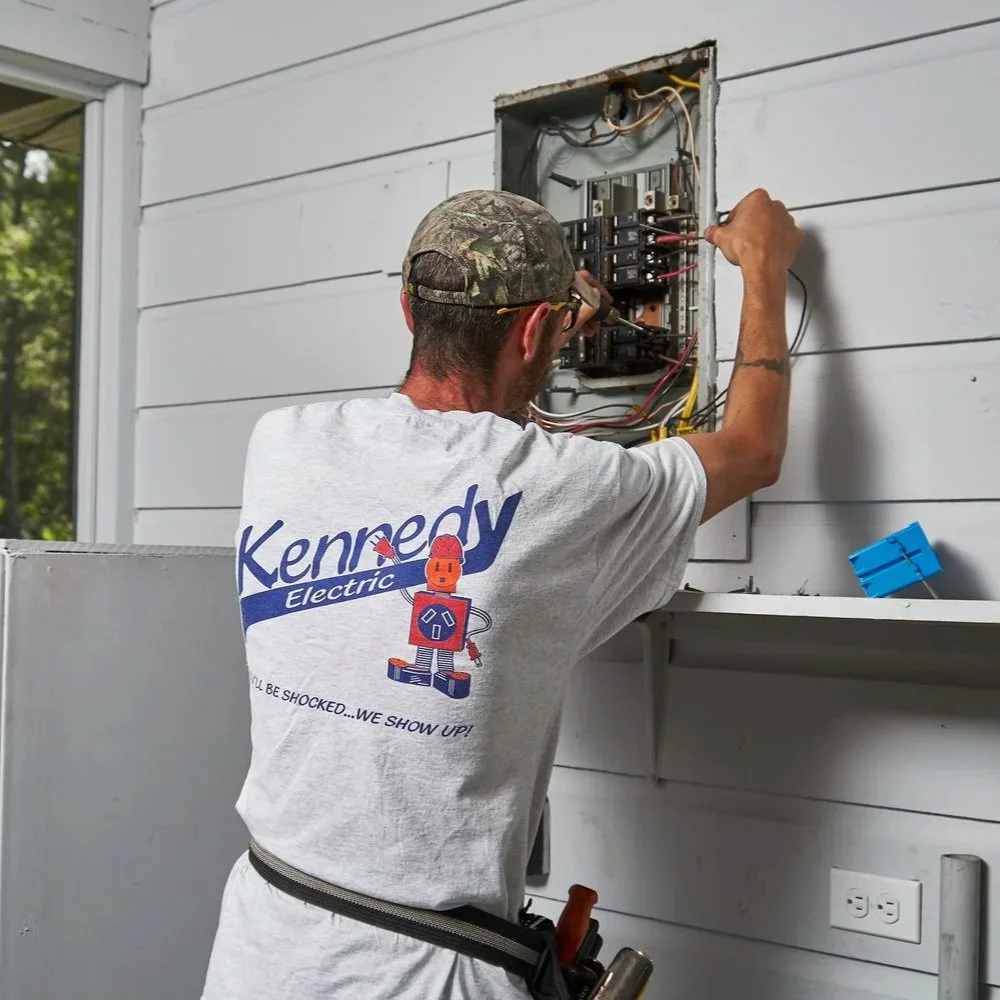
Professionals determine how much power the household needs now, and what it might need in five or ten years.
Before any tools come out or breakers come off the shelf, the work begins with math. Load calculations aren’t glamorous, but they’re the foundation of a safe and successful panel installation. Professionals determine how much power the household needs now, and what it might need in five or ten years.
Every appliance, HVAC system, lighting circuit, and EV charger adds to the equation. By sizing the panel to match demand, electricians protect the home from overloads and leave room for future growth. Undersized panels are a recipe for trouble, while oversized systems waste money and space. Dialing it in just right is what keeps the whole project balanced from the start.
Choosing The Right Panel For The Job
Not all panels are created equal. Professionals select the right product based on the calculated load, available space, and customer preferences. Some homes call for traditional 100-amp panels, while others need a full 400-amp setup with room for subpanels, generators, or solar input.
Smart panels are becoming more common for clients who want energy monitoring, automation, and better control over their usage. Others prefer a simpler approach with labeled breakers and plenty of expansion slots. Each installation is customized, right down to the grounding bar and the enclosure’s material.
A good electrician doesn’t just swap out whatever’s on sale. They match the system to the home’s electrical personality, from the number of bedrooms to the dreams of installing a hot tub someday.
Permits And Code Compliance Are Part Of The Process
Paperwork isn’t anyone’s favorite part of the job, but it plays a starring role in professional panel installations. Licensed electricians handle local permitting, coordinate with inspectors, and follow every code requirement. That includes bonding, grounding, conduit sizing, breaker labeling, and arc fault protection.
Skipping any of those steps creates risk, not just legal headaches. Panels installed without proper permits may not pass inspection, could cause home insurance issues, and might even void warranties on connected appliances. Professional service guarantees that everything is documented, compliant, and ready for a clean inspection.
The code is always changing, and electricians stay current, so homeowners don’t have to. That way, when an inspector comes knocking, everything is neat, labeled, and ready for approval.
The Panel Location Matters More Than People Think
Where the panel goes plays a big role in accessibility, performance, and long-term safety. Professionals carefully evaluate placement, considering moisture, clearance, and ventilation. Garages are common, but laundry rooms, closets, and outdoor enclosures are common in some regions as well.
No one wants to squeeze sideways to reset a breaker, so electricians follow clearance rules that provide enough working space. They also check for environmental risks, such as high humidity, flood zones, or nearby heat sources, that could compromise the panel’s components over time.
Installing a panel in the right spot also helps with cable routing and makes future upgrades easier. When the location works, everything else tends to fall into place.
Disconnecting And Removing The Old Panel
Turning off power isn’t just about flipping the main breaker. It often involves coordination with the utility company to fully disconnect service at the meter. Once everything is safely de-energized, electricians begin the delicate process of removing the old panel.
That means carefully labeling circuits, untangling bundles of wires, and sometimes dealing with decades-old cabling that doesn’t play nice with modern equipment. Every conductor is inspected before reuse, and any damaged or outdated wiring is replaced. Clean, safe removal sets the tone for a clean, safe installation.
Professionals approach this step with patience and precision. No yanking, no guessing, and definitely no wire spaghetti left behind.
Mounting The New Panel With An Eye For The Future
The new panel isn’t just slapped onto the wall. It’s mounted with care and planning, accounting for clearances, leveling, and conduit entry points. Whether it’s a flush-mount install in drywall or a surface-mount in a garage, it’s done with attention to aesthetics and accessibility.
Installers also think ahead. They leave room for additional circuits, smart system integration, and future subpanels. Some even pre-wire for EV chargers, solar input, or battery backups. It’s part of the professional difference—building with the future in mind, not just the present checklist.
A panel installed by a seasoned electrician doesn’t just power the home. It supports long-term goals with flexibility and room to grow.
Connecting Circuits With Precision And Care
Once the panel is in place, it’s time to reconnect every circuit. That includes trimming, labeling, terminating, and carefully securing each wire. Ground wires connect to the grounding bar. Neutrals connect to their designated spot. Hot wires line up with properly sized breakers.
Every connection gets torqued to the manufacturer’s specifications. Every breaker is matched to the wire gauge. Double-taps are avoided, and AFCI or GFCI breakers are installed where needed.
Professionals also install surge protection devices and load centers with balanced distribution. That helps appliances run better, protects electronics, and improves overall system stability. Behind the panel door, it might just look like wires. But every inch of it represents thought, planning, and electrical expertise.
Grounding Is Not Just a Checkbox
Proper grounding is the foundation of electrical safety. Without it, lightning strikes, power surges, and stray currents pose a much higher risk. Grounding systems include ground rods, bonding jumpers, water-pipe connections, and, depending on local code, often supplemental electrodes.
Electricians install and test these components with care. They verify that resistance falls within safe limits, that connections are secure and corrosion-resistant, and that bonding paths are continuous.
When grounding is done correctly, it creates a path of least resistance that protects the home, appliances, and people inside. It’s not flashy, but it is absolutely essential.
Labeling That Makes Life Easier Later
There’s nothing quite like opening a panel and seeing every circuit clearly labeled. No guessing which breaker controls the bathroom lights or which one powers the fridge. Professionals take the time to label every circuit accurately, based on a walk-through or electrical mapping.
Good labeling saves time during future upgrades or troubleshooting, and it makes the panel far less intimidating to homeowners. Whether it’s for a future home sale, an appliance upgrade, or a service call years down the road, clear labeling pays off every time.
Professionals often use printed labels, color coding, and neatly arranged directories. It’s part of what makes a panel look clean, thoughtful, and built to last.
Testing And Inspection Are Non-Negotiable
Once everything is connected, it’s time to test. Electricians verify voltage across circuits, test breakers for function, and check for continuity on grounds and neutrals. They power up the system slowly and methodically, watching for heat, noise, or any irregularities.
When required, inspectors arrive to review the installation. Professionals meet them with confidence, knowing that everything has been done to code, documented properly, and ready for sign-off.
Testing and inspection aren’t formalities. They’re the final steps in confirming that every connection is secure, every breaker performs as expected, and the entire system is ready to power a modern home safely and efficiently.
Cleanup And Client Walk-Through Make A Strong Finish
Nobody wants to be left with a dusty floor and a head full of questions. That’s why professional electricians include a final cleanup and a walk-through. They explain how the breakers are arranged, show off any smart features, and answer questions about maintenance or future upgrades.
Clients walk away feeling confident, not confused. They know where their main shutoff is. They understand what their surge protection does. And they feel a little spark of joy (pun intended) knowing their home just got a serious power upgrade.
Behind every professional electrical panel installation is a lot of planning, measuring, wiring, testing, and explaining. It’s not just about flipping switches. It’s about delivering safety, reliability, and peace of mind—wired straight into the heart of the home.
Kennedy Electric is a reliable full-service electrical company serving residential and commercial customers in Citrus, Hernando, and Pasco Counties. We offer electrical remodeling, electrical repair, circuit breakers, electric panel installations, and electric panel repair solutions. As a licensed, bonded, and fully insured electrical contractor, we offer prompt and unparalleled service. We adhere to the latest codes and regulations. Call now to get a free estimate.
