


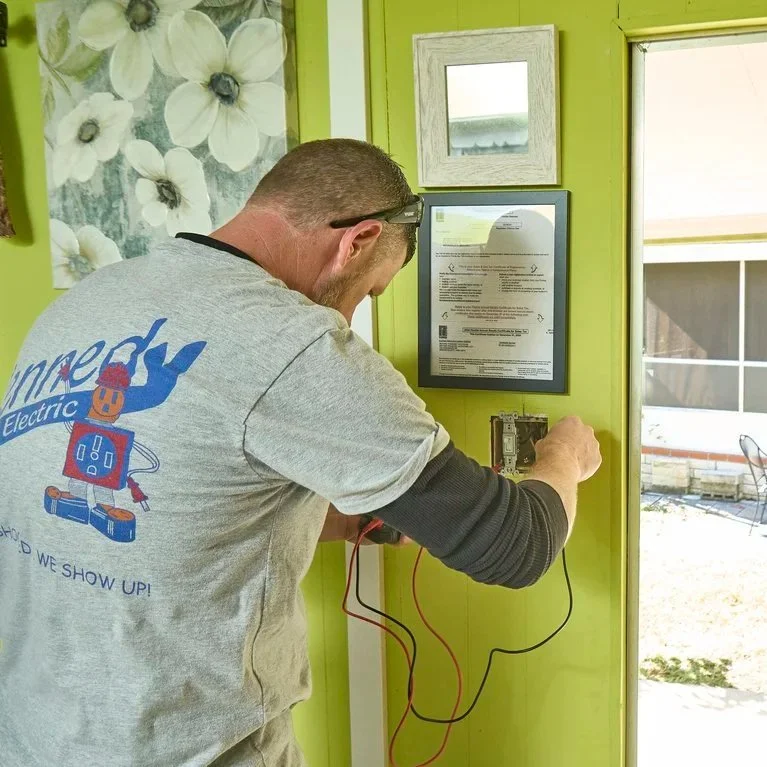
Worn wires, outdated panels, and sketchy connections can lead to more than flickering lights and occasional outages.
Old electrical systems don’t age gracefully. Worn wires, outdated panels, and sketchy connections can lead to more than flickering lights and occasional outages. They can quietly compromise a home’s safety and functionality. Whole-home rewiring isn’t just about updating technology. It’s about protecting people and property from the hazards hidden behind the walls.
Houses built before the 1980s often have aluminum wiring or knob-and-tube setups that can no longer handle modern electrical demands. Plugging in a microwave, toaster, and coffee maker on the same circuit shouldn’t cause a blackout, but with outdated wiring, that’s a morning ritual. And if the panel hasn’t been touched in decades, the breakers may not even trip when there’s a real problem.
Signs That Rewiring Might Be Needed
Homes speak in subtle ways when they’re due for a wiring upgrade. Lights that dim when appliances run, outlets that spark or buzz, and breakers that flip more than pancakes all point to deeper issues. If a house smells faintly of burning plastic after running the vacuum, it’s practically begging for an inspection.
Frequent power surges, blown fuses, and warm outlets are more than annoyances. They’re potential fire starters. Insurance companies even take notice. Some providers raise premiums or deny coverage altogether for homes with antiquated systems. Whole-home rewiring helps protect both lives and investments.
The Rewiring Process Isn’t as Scary as It Sounds
Homeowners often imagine walls ripped apart, floors pulled up, and chaos everywhere. In reality, whole-home rewiring done by pros follows a methodical, efficient process that keeps mess and disruption to a minimum.
Electricians start by evaluating the current system, identifying trouble spots, and creating a customized plan. Next, the team works room by room, often using crawlspaces, attics, and existing conduits to access wires without wrecking drywall. The goal is to bring the system up to code while preserving as much of the home’s structure as possible.
The project usually includes a new panel, updated outlets, grounded circuits, and often additional circuits to support modern appliances and gadgets. And yes, everything is neatly labeled, because nobody wants to play guessing games at the breaker box.
Benefits That Reach Beyond Safety
Whole-home rewiring goes far beyond keeping the house from catching fire. It lays the groundwork for a more efficient, capable, and enjoyable space. Want to run a high-powered air purifier, stream Netflix, and charge five devices at once? New wiring makes it possible.
Today’s homes are loaded with electronics that didn’t exist a few decades ago. Smart thermostats, security systems, high-speed routers, and home theaters all thrive on stable power. Rewiring creates the infrastructure needed to support evolving tech, without outages or strange hums.
Energy efficiency also receives a boost. New wires and grounded outlets help reduce power loss and optimize current flow. That translates to a slightly happier electric bill and a reduced risk of fried appliances.
Safety Is a Full-Time Job
Flickering lights might seem harmless, but they could indicate arcing or loose connections. That’s not just annoying, it’s a real fire risk. According to the National Fire Protection Association, electrical failures or malfunctions are a leading cause of house fires. Whole-home rewiring replaces brittle, cracked, or overloaded wires with safe, up-to-code materials that work as intended.
GFCI outlets become standard in wet areas like kitchens, bathrooms, and garages. AFCI protection helps prevent fires in bedrooms and living spaces. Proper grounding reduces shock hazards, and tamper-resistant outlets protect curious kids. It’s a full suite of safety features rolled into one major upgrade.
What to Expect During a Whole-Home Rewire
Every home has its quirks, so no two rewiring projects look exactly alike. That said, most jobs follow a few predictable steps. After the initial walkthrough and quote, electricians usually start with the panel. A new panel brings more capacity, more circuits, and much better protection.
Next, the team maps out circuits to distribute load evenly throughout the house. Appliances receive dedicated lines, bedrooms gain outlets in all the right places, and the kitchen finally has enough power for modern conveniences. Even those oddly-placed switches and mystery wires finally make sense, or disappear entirely.
Wiring is usually run through walls and ceilings with as little damage as possible. Patchwork comes later. Once everything is connected, electricians test every outlet, switch, and fixture to make sure everything works smoothly. And if homeowners want to add extras like under-cabinet lighting or USB outlets, this is the perfect time.
Compliance with Current Electrical Codes
Electrical codes change regularly, and most older homes don’t keep up on their own. Whole-home rewiring brings the entire system into compliance with current standards, from conductor materials to outlet spacing.
Code updates aren’t just about bureaucratic boxes to check. They exist for a reason. Today’s codes demand things like proper grounding, arc fault protection, and spacing rules that help prevent overloads and reduce fire risks. Electrical inspections during and after the project confirm everything is done safely and legally.
Homeowners thinking about remodeling, selling, or even insuring a home can appreciate the benefits of being fully up to code. Buyers love updated systems, and inspectors love passing safe ones. Rewiring is one of those invisible upgrades that pays off long-term.
Planning for Future Power Needs
Rewiring isn’t just about meeting today’s needs, it’s about anticipating tomorrow’s. That’s why most professionals recommend building in extra capacity. Think electric car chargers, solar panels, induction cooktops, and home offices that rival commercial setups.
Adding space in the panel, installing conduit for future circuits, or upgrading service lines from the utility company might seem like overkill. But in five years, when a homeowner decides to install a hot tub or build a home theater, they’ll be grateful it was part of the plan.
Rewiring also opens the door to home automation. Smart lights, smart switches, and integrated systems become much easier to install with a modern electrical backbone in place. The more future-ready the wiring, the fewer headaches later.
Special Considerations for Older Homes
Older homes offer charm, craftsmanship, and, unfortunately, wiring from the dark ages. Some still operate on two-prong outlets or have cloth-covered wires lurking in the walls. In those cases, whole-home rewiring isn’t just helpful, it’s essential.
Preserving architectural details often matters just as much as upgrading safety. Licensed electricians who specialize in rewiring vintage homes understand how to respect the original structure. That might mean fishing wires through plaster walls or using baseboard channels to avoid visible damage.
In some cases, permits or historic preservation rules come into play. Professionals handle the red tape, keep the inspectors happy, and preserve the look of the home while quietly modernizing its power supply.
Why Hiring a Professional Matters
Electrical rewiring is not a DIY weekend project. It involves permits, code compliance, and a working knowledge of current, amperage, and safety protocols. One wrong move could short out the entire system, or worse.
Licensed electricians bring experience, training, and the right tools for the job. They understand how to calculate load requirements, design balanced circuits, and navigate tricky access points without tearing up the place. They’re also insured and bonded, so if something does go wrong, there’s a safety net.
Professionals also know when a full rewire isn’t needed. Sometimes, partial upgrades or circuit-specific fixes can address the immediate issue. But when a home really needs a full overhaul, they’ll lay out the options clearly and help prioritize safety and function.
The Long-Term Investment That Pays Off
Whole-home rewiring doesn’t just solve short-term problems. It adds lasting value to a property and improves the quality of life day to day. Homes feel more reliable, safer, and more capable of handling whatever life or technology throws at them.
No more fighting over outlets. No more worrying about tripped breakers. No more surprise sparks when plugging in the blender. Just dependable power, modern protection, and a system designed to support today’s lifestyle.
From new panels to new possibilities, professional rewiring is one of those upgrades that quietly changes everything, for the better.
Kennedy Electric is a reliable full-service electrical company serving residential and commercial customers in Citrus, Hernando, and Pasco Counties. We offer electrical repairs, boat lift wiring, remodels, low voltage lighting, generator hookups, RV power, electrical inspections, fan installation, home lighting, new circuits, panels, and more.