What To Do In An Electrical Emergency: First Response Guide
Why does it smell like burning plastic in here? Why are the lights flickering, and that outlet making a popping sound right now?
You are standing in your kitchen, dinner half-cooked, and suddenly you hear a sharp snap from behind the wall. The lights dim, then brighten, then dim again. A faint burning smell drifts through the room. Your heart starts racing because you do not know whether to grab a fire extinguisher, run to the breaker panel, or get everyone out of the house. Electrical emergencies create panic fast. Knowing what to do in an electrical emergency can mean the difference between a controlled situation and serious damage to your home.
As an electrician working in Florida homes, I have seen how quickly small electrical problems escalate. I have also seen how calm, informed first steps prevent injury and limit property damage. A clear plan matters when seconds feel long.
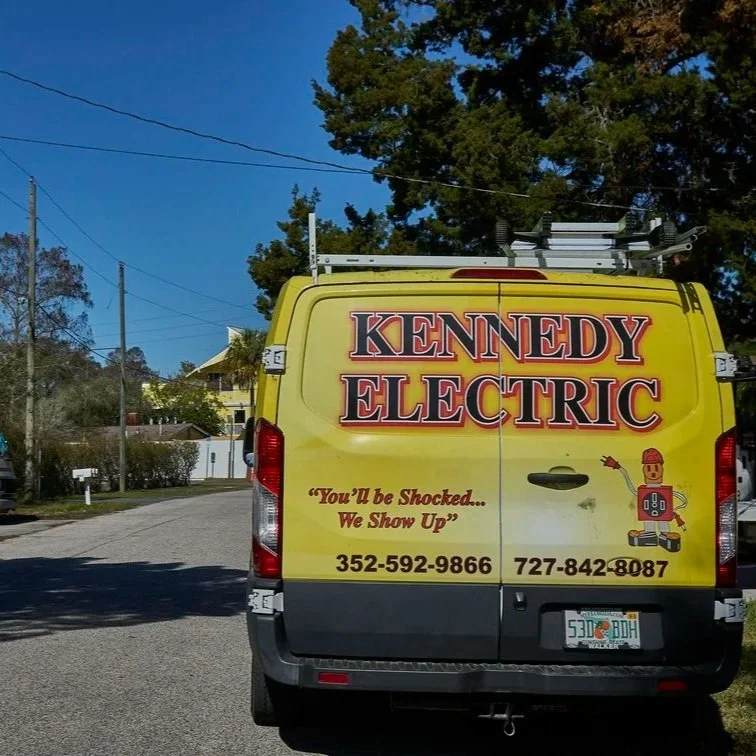
Kennedy Electric service vehicle on neighborhood street representing rapid response to residential electrical emergencies safety inspections and urgent repairs.
Recognizing What Counts As An Electrical Emergency
Not every electrical issue is an emergency, but some absolutely are. Smoke coming from an outlet, visible sparks, buzzing sounds from the panel, or a strong burning odor signal immediate danger. So does water contacting live wiring during storms or flooding.
Homeowners often hesitate because they are unsure whether they are overreacting. That hesitation can cost valuable time. If you see flames near wiring, hear loud popping sounds, or feel heat coming from walls or outlets, treat it as urgent. Electrical fires can begin behind drywall where you cannot see them.
Florida’s climate adds another layer. Frequent storms increase the risk of lightning-related surges and water intrusion. High humidity can worsen existing connection issues. Understanding that your environment influences risk helps you take early warning signs seriously.
First Step: Cut Power If It Is Safe To Do So
In many electrical emergencies, cutting power is the safest immediate action. If there is no active fire blocking your path and the panel is accessible, switch off the affected circuit breaker. If you are unsure which breaker controls the problem area, turning off the main breaker can isolate the entire home.
Never attempt to reach the panel if you see flames or heavy smoke in that area. Safety comes first. If the panel itself is sparking or making loud buzzing noises, avoid touching it and call emergency services.
Turning off the power removes the energy source feeding the problem. That action can stop arcing, reduce heat buildup, and limit further damage. After the power is off, resist the urge to turn it back on immediately. Resetting breakers without identifying the cause can worsen underlying issues.
What To Do If An Outlet Or Appliance Catches Fire
A small electrical fire in an outlet or appliance can escalate quickly. If flames are present but still contained and small, use a fire extinguisher rated for electrical fires. These are typically labeled as Class C.
Never throw water on an electrical fire. Water conducts electricity and can cause shock. Even if the flames appear minor, water can spread the hazard.
If the fire grows beyond a small contained area, evacuate immediately and call emergency services. Do not attempt to save property. Electrical fires can spread rapidly through walls. Prioritize people and pets over belongings. Once everyone is safe, professionals can address the damage.
“Why Is My Breaker Panel Buzzing Or Smelling Burnt?”
Many homeowners search “Why is my breaker panel buzzing?” after noticing unusual sounds. A buzzing panel can indicate loose connections, overloaded circuits, or failing breakers. A burnt smell suggests overheating components.
Breakers are designed to trip when circuits draw too much current. If a breaker does not trip but instead overheats or buzzes, that condition signals a potential failure. Heat can damage the panel bus bars and internal connections.
In that situation, turn off the affected breaker if possible. If the sound or smell continues, shut off the main breaker and call for professional assistance. Ignoring panel warnings can lead to severe damage or fire. Panels are the heart of your electrical system. Any abnormal behavior deserves immediate attention.
Electrical Shock: What To Do If Someone Is Injured
If someone experiences electrical shock, your first instinct may be to grab them. That action can be dangerous if the source remains energized. Do not touch the person until you are certain the power is off.
Cut power at the breaker or main disconnect if accessible and safe. If you cannot reach the panel, use a nonconductive object such as a dry wooden broom handle to separate the person from the source. Call emergency services immediately.
Even if the person appears alert afterward, a medical evaluation is important. Electrical shock can cause internal injuries that are not immediately visible. Burns may appear minor on the skin while deeper tissue damage exists. Prompt medical care reduces long-term complications.
Flooding And Electrical Systems In Florida
Florida homeowners face a unique risk during heavy rains and hurricanes. Flooding can compromise electrical systems. Water entering outlets, panels, or junction boxes creates serious shock hazards.
If flooding occurs in your home, do not enter standing water where electrical components are submerged. Shut off power at the main breaker only if you can do so without stepping into water. If the panel is located in a flooded area, call emergency services and your utility provider for guidance.
After water recedes, have a licensed electrician inspect affected circuits before restoring full power. Corrosion can develop quickly. Components exposed to water may fail days or weeks later. Acting cautiously after flooding prevents secondary emergencies.
The Common Mistake Of Repeatedly Resetting A Tripping Breaker
One of the most common homeowner mistakes during an electrical emergency involves repeatedly resetting a breaker. When a breaker trips, it is responding to a fault. Simply turning it back on without investigating the cause may reintroduce the problem immediately.
Repeated tripping can signal a short circuit, an overloaded circuit, or a ground fault. Each reset sends current through wiring that may already be compromised. That stress can increase heat and worsen damage.
If a breaker trips more than once, stop resetting it. Leave it off and contact a professional for diagnosis. Electrical systems are designed to provide warning signals. Ignoring those signals can turn a manageable repair into a costly restoration.
Surges, Lightning, And Sudden Appliance Failures
Florida’s frequent lightning storms make power surges a common issue. A surge can cause lights to flash briefly or electronics to shut down unexpectedly. In severe cases, you may smell burnt components inside devices.
If multiple appliances fail simultaneously after a storm, avoid using affected circuits until evaluated. Surge damage may not always be visible. Internal components in panels and devices can degrade without obvious signs.
Whole home surge protection reduces risk, but no system is invulnerable. After a significant storm, watch for flickering lights, unusual noises, or tripped breakers. Prompt attention to abnormal behavior limits further complications.
How To Prepare Before An Emergency Happens
The best response to an electrical emergency begins before one occurs. Keep a Class C fire extinguisher accessible in key areas such as the kitchen and garage. Make sure everyone in the household knows where the main breaker panel is located and how to operate it.
Label breakers clearly. In a crisis, searching for the correct breaker wastes time. Familiarity with your panel layout improves response speed.
At Kennedy Electric, we often encourage homeowners to schedule periodic inspections. Identifying loose connections, outdated breakers, or overloaded circuits before failure reduces the likelihood of emergencies. Preparation transforms panic into controlled action.
Staying Calm And Acting With Purpose
Electrical emergencies feel chaotic because they involve invisible forces. You cannot see current flowing through wires. You often hear or smell trouble before you see it.
Staying calm allows you to think clearly. Focus first on shutting off power if safe, then protecting people and pets. Avoid improvising repairs or experimenting with temporary fixes.
Electrical systems are complex. Quick thinking combined with basic safety steps keeps situations from escalating. Once immediate danger is addressed, a professional evaluation restores confidence in your home’s wiring.
FAQs
The first step is to cut power to the affected area if it is safe to access the breaker panel. Turning off the appropriate breaker or the main disconnect removes energy feeding the problem. If there are visible flames or heavy smoke, evacuate and call emergency services immediately.
If a breaker trips once due to a clear overload, you can reset it after reducing the load. However, repeated tripping indicates a deeper issue, such as a short circuit or ground fault. Stop resetting and have the circuit inspected by a licensed electrician.
Water should never be used on an electrical fire because it conducts electricity, increasing the risk of shock. Use a fire extinguisher rated for electrical fires if the flames are small and contained. If the fire grows, evacuate and call emergency services.
Warning signs include burning smells, buzzing from the panel, warm outlets, frequent breaker trips, and visible sparks. These symptoms indicate overheating or faults that require immediate attention. Acting quickly reduces the risk of fire and injury.
Storms can cause surges, water intrusion, and stress on wiring and panels. If you notice unusual behavior after severe weather, such as flickering lights or tripped breakers, an inspection is advisable. Early evaluation helps identify hidden damage before it leads to an emergency.
