
Are Sparking Outlets Dangerous? When to Call an Electrician
Why did that outlet spark when nothing weird was even plugged in? You jump back, annoyed and a little rattled, staring at the wall, wondering how long that has been happening and what else you have been ignoring.
Most homeowners search for this after a moment like that. A quick flash when plugging in a phone charger, a faint pop behind the couch, or a spark that feels small enough to brush off. In Florida homes, sparking outlets are rarely harmless. Heat, humidity, aging wiring, and high electrical demand turn small sparks into early warnings that something inside the system is already stressed. Ignoring it often leads to repeated frustration, damaged devices, or much worse outcomes hidden behind the walls.
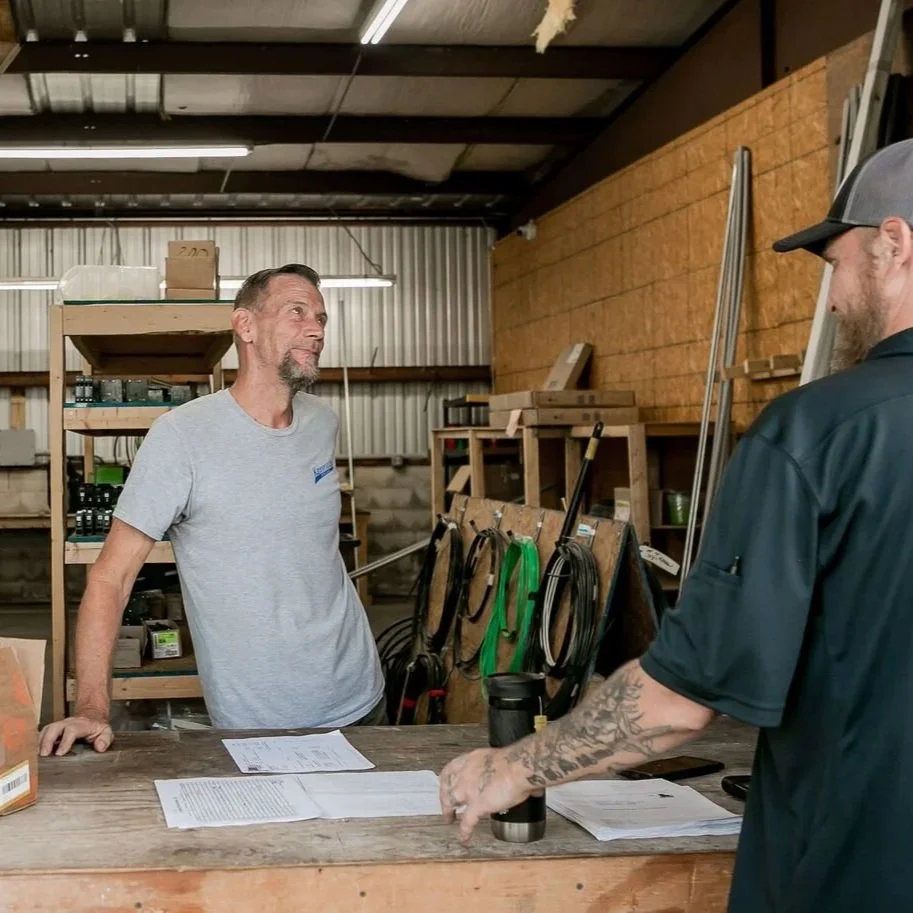
Kennedy Electric technicians reviewing documents in workshop, highlighting professional evaluation of sparking outlets and residential electrical safety concerns.
Why Sparking Outlets Happen More Than Homeowners Expect
Sparking outlets are not random events. They occur when electricity jumps across a gap instead of flowing smoothly through a solid connection. That gap can come from loose wiring, worn outlet contacts, corrosion, or damaged insulation. Homeowners often assume sparks only happen when something is seriously broken. In reality, sparking often appears early in the failure process.
Florida's conditions make these issues appear sooner. High humidity promotes corrosion of metal components in outlets and junction boxes. Heat causes materials to expand and contract repeatedly, loosening connections over time. An outlet that worked fine for years can begin sparking without any obvious change in usage. That sudden spark feels alarming because it is. Electrical systems rarely spark without a reason, and the reason usually gets worse if ignored.
The Common Mistake Of Assuming Small Sparks Are Normal
Many homeowners believe a small spark when plugging something in is normal. That belief comes from seeing tiny flashes occasionally and never experiencing immediate consequences. The problem with that assumption is that not all sparks are equal. A brief static discharge differs from a visible electrical arc inside the outlet.
Electrical arcs generate intense heat in a very small area. Repeated arcing damages outlet contacts and nearby wiring insulation. Over time, that damage increases resistance, which creates more heat and more arcing. The cycle feeds itself quietly. What starts as an occasional spark becomes a consistent failure point. Florida homes accelerate this process because heat and moisture already stress electrical components daily.
When Sparking Means A Loose Connection Behind The Wall
One of the most dangerous causes of sparking outlets is loose wiring behind the wall. Outlets rely on tight, secure connections to carry current safely. When wires loosen, electricity jumps across tiny gaps instead of flowing smoothly. That jump creates a spark and heat at the connection point.
Loose connections rarely fix themselves. Each spark degrades the metal slightly more, increasing resistance and heat. Over time, insulation around the wire can char or melt. Fires often start inside electrical boxes or wall cavities where sparks repeat unnoticed. Homeowners may only see the outlet spark occasionally while the real damage happens out of sight.
How Aging Outlets Become Fire Risks Over Time
Outlets wear out. Internal contacts lose tension over time, especially in high-demand areas like kitchens, living rooms, and home offices. A loose plug connection allows movement and arcing when current flows. Homeowners often notice plugs falling out easily long before they see sparks.
Florida homes with older outlets face a higher risk because heat accelerates wear. Plastic components become brittle, and metal contacts lose spring tension faster. Sparking becomes more frequent as outlets struggle to maintain solid contact. Replacing outlets seems minor, but ignoring worn ones lets heat damage spread to wiring and surrounding materials.
What Sparking Says About Overloaded Circuits
Sparking outlets can also signal overloaded circuits. When too many devices draw power from the same circuit, wiring and outlets are pushed to their limits. That strain increases heat at connection points. Small imperfections that would not matter under lighter loads become failure points under stress.
Florida households often overload circuits without realizing it. Air conditioners, dehumidifiers, gaming systems, and home office equipment run simultaneously for long hours. Circuits designed decades ago struggle to keep up. Sparking outlets in these situations warn that the circuit is under more stress than it can safely handle long-term.
Why Humidity And Corrosion Make Sparks Worse In Florida
Humidity plays a quiet but powerful role in electrical problems. Moist air accelerates corrosion on metal contacts inside outlets and junction boxes. Corroded surfaces increase resistance, generating heat and sparking when current flows.
Florida homes near the coast or with poorly ventilated spaces are more likely to experience this. Garages, exterior walls, and older electrical boxes are especially vulnerable. Homeowners may never see corrosion until outlets start sparking or devices fail prematurely. By that point, damage is already underway inside the system.
The Difference Between One-Time Static And Repeated Sparking
Not every visible spark signals danger. Static electricity can cause a brief flash when plugging in a device, especially in dry conditions. The key difference lies in frequency and behavior. Static sparks are rare and inconsistent. Electrical arcing repeats under similar conditions.
If an outlet sparks whenever something is plugged in, when devices move, or without being touched, that behavior points to an electrical issue. Florida homeowners sometimes misinterpret static explanations and delay action while arcing continues to damage components. Recognizing the pattern matters more than the size of the spark.
Why Burn Marks And Discoloration Should Never Be Ignored
Discoloration around an outlet indicates heat exposure. Brown or black marks on the outlet faceplate, wall, or plug mean arcing or overheating has occurred repeatedly. Homeowners sometimes assume these marks are cosmetic or old stains.
Heat damage rarely stays localized. Once an outlet shows discoloration, internal wiring and insulation may already be compromised. Florida's heat worsens this by keeping materials warmer longer, allowing damage to spread. Visible burn marks signal that sparking has moved beyond a warning phase into active deterioration.
Sparking Outlets And The Risk To Electronics
Sparking outlets do not just threaten fire risk. They also damage electronics. Voltage fluctuations, arcing, and unstable connections stress sensitive devices. Homeowners often notice chargers failing, devices overheating, or appliances behaving erratically before addressing the outlet itself.
Replacing damaged electronics without fixing the outlet solves nothing. Continued arcing can damage new devices just as quickly. Over time, homeowners spend more on replacements as the underlying electrical problem becomes increasingly dangerous.
DIY Fixes That Make Sparking Worse
Some homeowners attempt to fix sparking outlets by tightening screws or replacing the outlet themselves. While outlet replacement seems straightforward, mistakes create new risks. Incorrect wire placement, loose terminals, or improper grounding increase arcing and heat.
Florida conditions amplify the consequences of small installation errors. Heat accelerates insulation breakdown around poorly secured connections. What feels like a simple fix can turn a minor issue into a serious hazard hidden behind the wall. DIY attempts often mask symptoms temporarily while increasing long-term fire risk.
When Sparking Indicates Panel Or Circuit Issues
Sparking at an outlet sometimes points to problems upstream. Aging panels, overloaded breakers, or deteriorating wiring can all manifest as outlet sparking. Homeowners often focus on the visible outlet without realizing that the system as a whole is stressed.
Florida homes with older electrical infrastructure experience this more frequently. Panels exposed to humidity and heat degrade internally, increasing resistance throughout the system. Outlets at the end of stressed circuits become the visible weak points. Addressing only the outlet leaves underlying risks unresolved.
Why Timing Matters With Sparking Outlets
Electrical problems worsen under heavy load. Florida summers place sustained demand on electrical systems due to constant cooling needs. Sparking outlets that appear during summer often quiet down in cooler months, tempting homeowners to ignore them.
That seasonal pattern hides ongoing damage. Each period of heavy use degrades connections further. Waiting until sparks return stronger increases repair complexity and risk. Addressing issues when they first appear prevents compounding damage that leads to fires.
How Electricians Evaluate Sparking Outlets Safely
Electricians approach sparking outlets by evaluating the entire circuit, not just the outlet. Load conditions, wiring integrity, panel health, and grounding all contribute to sparking. Visual inspection alone rarely tells the full story.
Professionals test connections under load, check for corrosion, and identify heat patterns invisible to homeowners. Electricians like Kennedy Electric understand how Florida conditions accelerate wear and how small warning signs connect to larger system issues. That experience prevents misdiagnosis and incomplete repairs.
The Emotional Cost Of Ignoring Electrical Warnings
Beyond safety, sparking outlets create constant low-level stress. Homeowners hesitate to plug things in, worry about leaving devices unattended, and feel uneasy during storms or outages. That daily inconvenience erodes confidence in the home.
Electrical systems should fade into the background. When outlets spark, they demand attention and create frustration. Addressing the issue restores peace of mind along with safety, removing one more source of uncertainty from daily life.
FAQs – Generator Services in Florida
Sparking outlets indicate an electrical issue that should be evaluated. While rare static sparks can occur, repeated or visible arcing increases fire risk and should not be ignored.
Loose wiring, worn outlet contacts, corrosion, or overloaded circuits are common causes of sparking. Florida heat and humidity accelerate these problems over time.
Sparking outlets can start fires, especially when arcing damages insulation or surrounding materials. Many electrical fires begin inside walls where sparks repeat unnoticed.
An outlet that sparks should not be used until it is evaluated. Continued use increases heat damage and fire risk, even if the spark seems small.
Call an electrician if sparking happens repeatedly, occurs without plugging anything in, or is accompanied by warmth, buzzing sounds, or discoloration.
