Warning Signs Your Home Is at Risk for an Electrical Fire
Why does something in the house always feel off right before bed, like a faint burning smell or a breaker that just clicked again? You stand there in the dark hallway listening to the AC restart, annoyed and uneasy, wondering how long you can keep ignoring whatever is happening behind the walls.
Most homeowners search this topic after one of those moments. An outlet feels warm when a charger is unplugged. The lights flicker when the microwave starts. A breaker trips just often enough to be irritating. In Florida homes, those small annoyances turn into serious fire risks faster than people expect. Heat, humidity, and aging electrical systems quietly turn warning signs into hazards when they are brushed off as normal wear and tear.
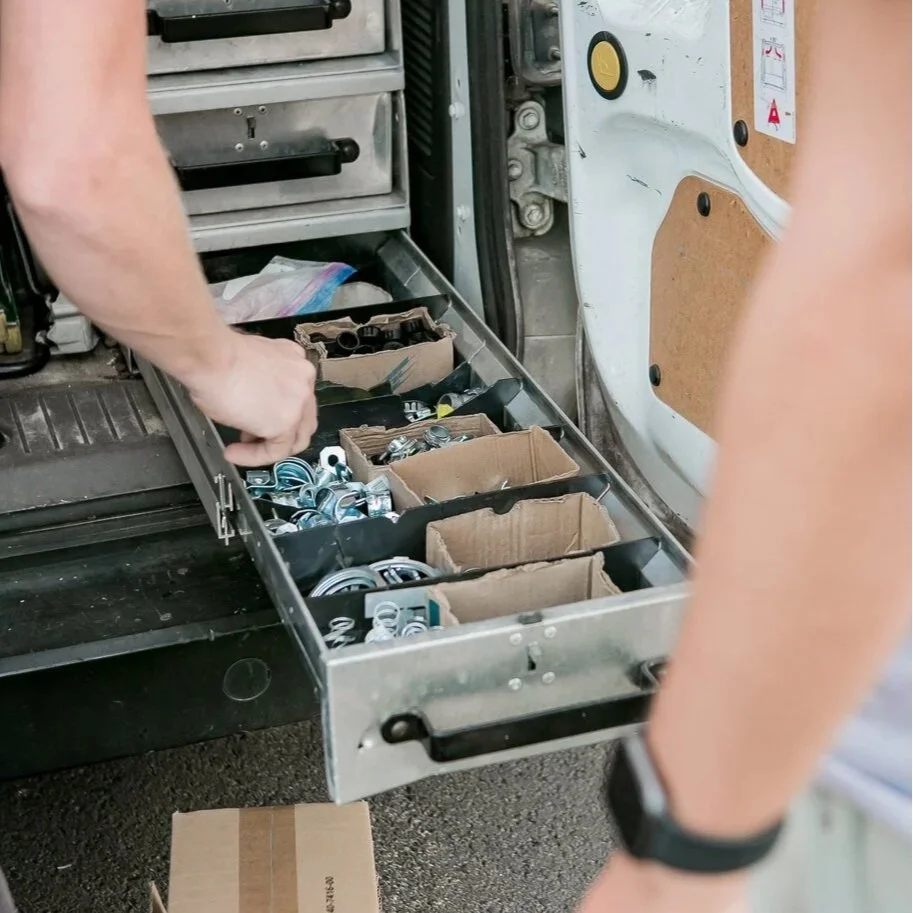
Electricians organizing electrical connectors and components inside service van, highlighting professional inspections that prevent hidden fire risks in homes.
Burning Smells That Come And Go Without Explanation
A burning smell that disappears after a few minutes is one of the most common warning signs homeowners ignore. People often assume it came from cooking, dust burning off an appliance, or something temporary. Electrical smells behave differently. They tend to appear briefly, fade, and then return later under similar conditions. That pattern usually points to overheating wiring, loose connections, or stressed components hidden from view.
Florida homes amplify this problem because heat and humidity accelerate insulation breakdown. Wiring insulation dries out faster, cracks sooner, and loses its protective qualities. When current flows through damaged insulation or loose connections, heat builds at those points. The smell comes from insulation or nearby materials warming up, not from open flames. Over time, repeated heating cycles increase the risk of ignition inside walls or junction boxes where homeowners never look.
Outlets And Switches That Feel Warm To The Touch
Outlets and switches should never feel warm during normal use. Many homeowners notice warmth only when unplugging something and assume it is harmless. Warmth signals resistance somewhere in the circuit. Resistance generates heat, which damages components over time. That process happens quietly and steadily until failure occurs.
In Florida, high ambient temperatures make it harder for electrical components to dissipate heat. A slightly loose wire or worn outlet that might last years in a cooler climate can become a fire risk much sooner. Warm outlets often indicate loose terminals, aging receptacles, or overloaded circuits. Ignoring warmth allows damage to progress until arcing or melting begins, which is when fires often start.
Breakers That Trip Repeatedly Without A Clear Cause
A breaker that trips once during a storm or power surge is not unusual. A breaker that trips regularly without a clear cause is a warning sign. Homeowners often reset breakers without investigating because power returns and life continues. That habit treats the symptom instead of the problem.
Repeated tripping usually means circuits are overloaded, shorted, or drawing unsafe current. Florida homes see higher electrical demand during long cooling seasons when air conditioning runs constantly. Older panels and circuits may not handle modern loads. Each trip indicates heat buildup somewhere in the system. Over time, that heat damages insulation and connections, increasing fire risk even if the breaker appears to work correctly.
Flickering Lights When Appliances Turn On
Lights that dim or flicker when appliances start are often dismissed as quirks of an older home. Homeowners learn to live with it without realizing what it means. Flickering lights usually indicate voltage drops caused by overloaded circuits, loose connections, or undersized wiring.
Those conditions create resistance and heat at connection points. Florida's humidity worsens corrosion inside panels and junction boxes, increasing the frequency of voltage fluctuations. Over time, flickering becomes more frequent as connections degrade. Fires linked to flickering lights often start at loose terminals, where arcing repeatedly occurs until materials ignite.
Buzzing or Cracking Sounds From Outlets Or Panels
Electrical systems should operate silently. Buzzing, crackling, or sizzling sounds indicate arcing or loose connections. Many homeowners hear these noises occasionally and assume they are normal house sounds. They are not. Electrical arcing generates intense heat at very small points, which makes it one of the leading causes of electrical fires.
Florida conditions accelerate the deterioration of contacts and terminals. Moisture and heat loosen connections and increase resistance. When arcing occurs inside walls or panels, it can continue unnoticed for long periods. The sound may come and go, which makes it easier to ignore. Over time, repeated arcing damages surrounding materials and significantly increases fire risk.
Discolored Outlets, Switch Plates, Or Panel Components
Discoloration around outlets or switches often appears as yellowing, browning, or faint scorch marks. Homeowners sometimes attribute it to age or dirt. Discoloration almost always indicates heat exposure. Heat changes the color of plastic and paint long before flames appear.
Electrical panels can show similar signs. Darkened breaker faces, melted insulation, or corrosion inside the panel indicate stress and overheating. Florida humidity contributes to corrosion, worsening contact quality, and increasing heat. Ignoring visible discoloration allows internal damage to progress until failure becomes dangerous rather than cosmetic.
Extension Cords Used As Permanent Wiring
Extension cords solve problems quickly, which makes them easy to overuse. Many homeowners rely on cords to power entertainment centers, home offices, or garage equipment in the long term. That habit creates fire risk because extension cords are not designed for continuous load.
Cords running under rugs or furniture trap heat and hide damage. Florida's heat further increases internal temperature. Over time, insulation breaks down and internal wires loosen. Electrical fires linked to extension cords usually start without warning because cords fail internally long before external damage appears.
Outdated Electrical Panels Still In Service
Many Florida homes still operate with panels installed decades ago. Homeowners assume panels last indefinitely if breakers reset properly. Panels age internally even when they appear fine on the outside. Bus bars corrode, breaker contacts weaken, and connections loosen.
Older panels may also lack the capacity to meet modern electrical demand. Circuits run closer to their limits every day, generating heat throughout the system. That constant stress increases fire risk over time. Panel issues rarely announce themselves dramatically. They quietly create conditions that allow small faults to escalate into serious hazards.
GFCI And AFCI Protection Missing Where It Matters
Many homeowners recognize GFCI outlets but misunderstand their role in fire prevention. GFCI devices reduce shock risk near water, while AFCI protection detects dangerous arcing that can start fires. Older Florida homes often lack AFCI protection entirely and may have limited GFCI coverage.
Homeowners assume that replacing an outlet fixes the issue, unaware that protection must be at the correct location in the circuit. Without proper protection, arc faults caused by damaged wiring or loose connections continue unnoticed. Over time, those arcs generate heat and sparks inside walls where fires start without visible warning.
DIY Electrical Work Hidden Behind Walls
DIY electrical work feels manageable because tasks look simple. Swap a switch, add an outlet, replace a light. Many homeowners believe careful work prevents problems. The risk lies in what cannot be seen. Improper wire sizes, loose connections, and overloaded circuits create stress points inside walls and boxes.
Florida heat accelerates the breakdown of insulation around poorly installed connections. A mistake that might last years elsewhere can fail much sooner. DIY shortcuts often ignore load calculations and code requirements that exist to prevent fire. Over time, those hidden issues grow more dangerous without obvious symptoms.
Appliances That Overstress Existing Circuits
Replacing appliances without evaluating electrical capacity creates hidden risk. New refrigerators, dryers, HVAC systems, and chargers often draw more power than older models. Homeowners plug them into existing circuits without realizing that those circuits were not designed for modern loads.
Improper appliance connections force wiring to carry more current than intended. Florida humidity worsens corrosion at terminals, increasing resistance and heat. Appliance-related fires often start behind walls or cabinets where early warning signs remain unnoticed until smoke appears.
Lighting Fixtures That Trap Heat Over Time
Lighting upgrades feel cosmetic, but they influence heat and load. Recessed lighting, high-wattage fixtures, and incorrect bulb types generate more heat than expected. Homeowners often install fixtures without checking housing ratings or clearance requirements.
Heat buildup around fixtures damages insulation and surrounding materials gradually. Florida attic temperatures compound this effect. Improper lighting installation remains a frequent cause of electrical fires because it blends into routine home improvement without obvious danger.
Why Seasonal Demand Makes Risks Worse In Florida
Electrical fire risk increases during periods of high demand. Florida summers place sustained stress on electrical systems due to constant cooling needs. Circuits, panels, and connections operate near capacity for months at a time.
Aging systems struggle under that load, especially when combined with humidity and corrosion. Small issues that might remain stable during cooler months worsen during peak demand. Homeowners often notice problems during summer but dismiss them once temperatures drop, missing an opportunity to address growing risk.
How Electricians Identify Fire Risk Others Miss
Electricians like Kennedy Electric approach fire prevention by evaluating how systems behave under real conditions rather than ideal ones. Load distribution, connection quality, panel condition, and grounding integrity reveal risks homeowners rarely see.
Professional assessment identifies heat patterns, corrosion, and aging materials before failure occurs. Experience matters because electrical fires usually result from subtle deterioration rather than sudden events. Addressing those warning signs early reduces risk and prevents damage that grows quietly over time.
FAQs – Generator Services in Florida
Burning smells, warm outlets, or flickering lights often appear before more obvious signs. These symptoms indicate heat or resistance in the system and should not be ignored.
Electrical fires frequently start inside walls due to damaged wiring, loose connections, or arcing. Many fires develop without visible warning until smoke or flames appear.
Older homes often have outdated wiring, panels, and limited protection. Florida conditions accelerate wear, increasing risk if systems have not been updated.
Repeated breaker trips without a clear cause indicate underlying electrical stress. Resetting without investigation can lead to heat buildup and increase fire risk.
Electrical systems benefit from inspection every few years or after major appliance changes. Florida's heat and humidity justify more frequent evaluations to catch early warning signs.
