

Kitchen Electrical Fire Prevention: Safety Tips for Homeowners
Why does the kitchen always feel like the room where something is about to go wrong? You hear a breaker click when the microwave and coffee maker run together, smell something hot near the outlet behind the toaster, and suddenly, that space where everyone gathers feels tense instead of comfortable.
Most homeowners land on this topic after a moment like that. A flickering light over the stove, a warm outlet near the counter, or a pop when plugging in an appliance creates frustration and doubt. Kitchens in Florida homes carry heavier electrical loads than almost any other room. When problems are misunderstood or delayed, the result can be damaged appliances, wasted money, constant annoyance, or a serious fire risk that develops quietly behind cabinets and walls.
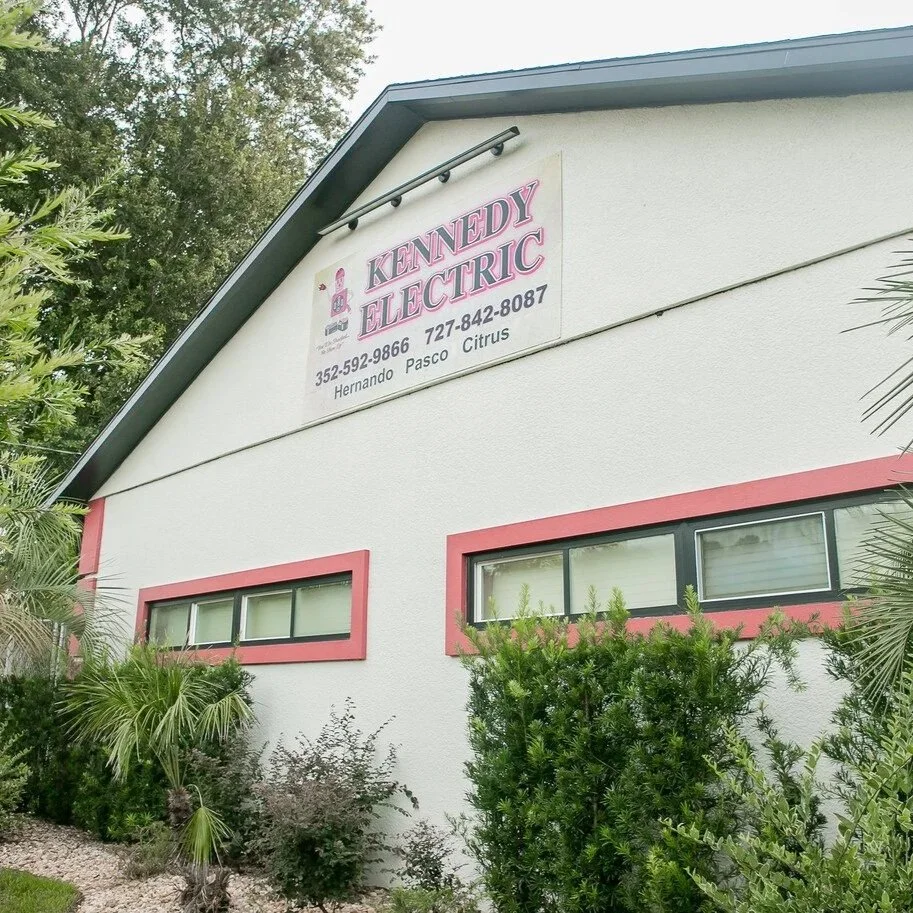
Kennedy Electric office exterior surrounded by Florida landscaping, representing trusted local expertise in kitchen electrical safety and fire prevention.
Why Kitchens Carry More Electrical Fire Risk Than Any Other Room
Kitchens demand more electricity than most homeowners realize. Multiple high-draw appliances operate in a confined space, often on circuits that were designed decades ago for far simpler use. Refrigerators, microwaves, dishwashers, coffee makers, air fryers, and countertop gadgets all pull power throughout the day. That constant demand creates stress on wiring, outlets, and connections.
Florida kitchens feel this strain even more because heat and humidity accelerate wear on electrical components. Wires expand and contract, insulation dries out more quickly, and corrosion forms on metal contacts. Over time, small weaknesses turn into overheating points. Fires linked to kitchens rarely come from dramatic events. They usually grow from years of quiet electrical stress paired with daily habits that feel normal until something finally fails.
The Hidden Danger Behind Countertop Appliances
Countertop appliances feel harmless because they are small and familiar. Plugging in a blender or toaster does not feel like a major electrical decision. The danger lies in how many appliances share the same outlets and circuits. Homeowners often use power strips or multi-plug adapters to gain more access without realizing they are increasing the load on a single circuit.
Over time, outlets heat up, contacts loosen, and cords wear down. Florida heat compounds the problem by keeping components warmer for longer periods. Repetitive cycling of appliances places electrical stress on the system. Sparks, warmth, or buzzing sounds at outlets are early warnings. Ignoring them allows damage to continue until arcing or overheating ignites surrounding materials.
Why GFCI Protection Matters More In Kitchens
GFCI protection is designed to shut off power when dangerous conditions occur, especially near water. Kitchens combine electricity and moisture constantly. Sinks, dishwashers, and damp countertops create ideal conditions for electrical faults. Many homeowners assume that having one GFCI outlet covers the entire kitchen.
Proper protection requires GFCI outlets or breakers placed correctly in the circuit. Older Florida homes often lack adequate coverage or have outdated devices that no longer function reliably. When GFCI protection fails or is missing, faults continue unnoticed. Over time, those faults create heat and arcing inside walls or cabinets. Fire risk increases quietly while everything appears to work normally on the surface.
Common Homeowner Mistake With Extension Cords In Kitchens
Extension cords solve immediate problems. A blender needs power, an outlet is just out of reach, and a cord feels like a simple fix. Kitchens see frequent use of extension cords, despite being one of the worst places for them. Heat, moisture, and constant movement wear cords down quickly.
Cords tucked behind appliances or running along counters trap heat and hide damage. Over time, insulation cracks and internal wires loosen. Electrical fires tied to extension cords often start without warning because failure happens inside the cord. Florida humidity worsens deterioration, turning a temporary solution into a long-term hazard that homeowners forget is even there.
Why Overloaded Circuits Show Up First In The Kitchen
When homeowners search for phrases like "why does my kitchen breaker keep tripping," they are often dealing with overloaded circuits. Kitchens often run multiple appliances simultaneously, especially during meal prep. Microwaves, dishwashers, and coffee makers draw significant current.
Circuits designed for lighter loads struggle under modern demand. Breakers trip as a safety response, but resetting them without addressing the underlying cause allows the stress to persist. Over time, heat damages wiring and connections. Florida kitchens experience this more often during the summer when overall household demand is higher. Ignoring repeated trips increases fire risk even if the breaker still functions.
The Role Of Aging Outlets And Worn Receptacles
Outlets wear out, especially in high-use areas like kitchens. Plugs loosen, contacts lose tension, and connections degrade. Homeowners often notice plugs falling out or outlets feeling warm, but delay replacement.
Warmth signals resistance and heat buildup. Florida heat accelerates wear and reduces the margin for error. Sparking outlets indicate arcing, which damages insulation and nearby materials. Replacing outlets before they fail prevents damage from spreading deeper into the wiring system, where repairs become more complex and risky.
Why Appliance Placement Affects Electrical Safety
Appliance placement influences electrical safety more than most people expect. Refrigerators pushed tightly against walls pinch cords and reduce airflow. Dishwashers installed without proper clearance can trap moisture near electrical connections.
Heat and moisture around appliance wiring increase corrosion and insulation breakdown. Florida kitchens amplify this risk due to humidity. Over time, stressed cords and damp connections create ideal conditions for arcing. Homeowners rarely inspect behind appliances once installed, allowing problems to grow unnoticed for years.
Lighting Choices That Increase Fire Risk In Kitchens
Kitchen lighting upgrades feel cosmetic, but they carry electrical consequences. High-wattage fixtures, under-cabinet lighting, and recessed fixtures add heat and load. Homeowners sometimes install lighting without verifying fixture ratings or clearance requirements.
Heat buildup around fixtures damages insulation and nearby materials gradually. In Florida homes, attic heat above kitchens compounds the issue. Improper lighting installation remains a frequent source of electrical fires because it blends into everyday improvements without obvious danger.
DIY Kitchen Electrical Work And Hidden Consequences
DIY electrical projects feel manageable in kitchens. Adding outlets, moving switches, or installing new lighting seems straightforward. The risk lies in unseen mistakes. Incorrect wire sizes, loose connections, and overloaded circuits create stress points inside walls and junction boxes.
Florida conditions magnify the consequences of small errors. Heat accelerates insulation breakdown, and humidity worsens corrosion. DIY work often skips load calculations and code requirements that exist to prevent fires. Problems may remain hidden until a spark, smell, or outage forces attention.
Why Older Kitchens Struggle With Modern Demand
Older kitchens were not designed for modern appliance loads. Homes built decades ago often have fewer circuits and limited capacity. Adding new appliances without updating the electrical infrastructure pushes systems beyond safe limits.
Florida homeowners often renovate kitchens cosmetically without addressing electrical upgrades. New appliances draw more power, but wiring remains unchanged. Over time, constant stress damages components. Fires linked to older kitchens usually trace back to systems never meant to handle current usage.
Seasonal Stress And Why Summer Makes Kitchen Risks Worse
Florida summers increase electrical demand across the entire home. Air conditioning runs constantly, reducing available capacity for other circuits. Kitchens feel the impact when appliances operate alongside cooling systems.
Problems that seem minor during cooler months worsen during summer. Outlets heat faster, breakers trip more often, and wiring operates closer to its limits. Homeowners often notice issues during summer and dismiss them once demand drops, missing an opportunity to address growing risk.
How Electricians Identify Kitchen Fire Risks Others Miss
Electricians evaluate kitchens by looking at load distribution, wiring condition, outlet integrity, and panel capacity. That approach reveals risks hidden behind cabinets and walls. Professionals test circuits under load rather than relying on visual inspection alone.
Electricians like Kennedy Electric understand how Florida conditions accelerate wear and how small warning signs connect to larger system issues. That experience prevents incomplete fixes that address symptoms but don't resolve underlying problems.
The Daily Stress Of Ignoring Kitchen Electrical Problems
Beyond safety, kitchen electrical issues create daily frustration. Homeowners hesitate to use appliances together, worry about smells or sounds, and feel uneasy leaving the house while devices run. That tension erodes comfort in the home's most-used room.
Electrical systems should disappear into the background. When they demand attention, something is wrong. Addressing kitchen electrical risks restores confidence, safety, and peace of mind.
FAQs – Generator Services in Florida
Overloaded circuits and worn outlets are common risks. Multiple appliances running together place constant stress on wiring and connections, especially in older Florida kitchens.
Kitchen outlets near sinks and countertops should be protected by GFCI protection. Proper placement matters, as protection must be installed correctly to function as intended.
Extension cords are not designed for long-term kitchen use. Heat, moisture, and constant load increase wear and fire risk over time.
Breaker trips indicate the circuit is overloaded. Kitchens often draw more power than older circuits can handle, especially during high-demand periods.
Kitchen electrical systems benefit from periodic inspection, especially after appliance upgrades or renovations. Florida's heat and humidity justify closer monitoring over time.
