HomeTenant Build-Outs & RenovationsKitchen Hood Electrical Tie-In
Kitchen Hood Electrical Tie-In in Brooksville, FL
Shut-Off Wiring for Hood Suppression Systems|Shut-Offs for Electric Cooking Equipment and Electric Gas Valves|Licensed & Insured, EC13011268
When a kitchen hood's fire suppression system fires, the cooking equipment under it has to lose its fuel or power. That must happen automatically under Florida's building code.
That shut-off is the electrical tie-in, and it's the part of a hood system we wire. You may know the whole thing as an Ansul system, after one maker's brand. After a shut-off, power and gas don't come back by themselves: the reset is manual.
Call (352) 251-2795, Monday through Friday, 8 a.m. to 4 p.m., or send a request online. Calls after hours are returned the next business day.
The moment the System Fires
What the Wiring Does When the System Fires
Electric cooking equipment loses power
The control head is the box that releases the suppression system. A switch in it flips whether heat or the pull station, a manual handle, fired the system. That switch is where the shut-off wiring is handed its signal. Electric fryers, griddles, ranges, and ovens under the hood lose power at their circuits. That is done with shunt-trip breakers, which are panel breakers a signal can trip, or with a contactor, a switch ahead of the equipment that a signal can open.
The gas valve closes
Gas equipment is shut off at a valve in the gas line. A mechanical valve is closed by the suppression system itself. An electric valve is held open by power and closes when the switch cuts it.
What the exhaust fan does
The national standard for kitchen ventilation requires the exhaust fan to keep running through the shut-off unless the design of the ventilation or suppression system requires it to stop. Make-up air, the outside air that replaces what the fan pulls out, is shut off where it's supplied inside the hood.
The reset is manual
A shunt-trip breaker that has tripped doesn't close again by itself. An electric gas valve is fed through a reset relay, and stays closed until that relay is reset.
| Part of the system | Who handles it | Where the wiring meets it |
|---|---|---|
| Suppression system, from tanks and nozzles to the control head | A fire equipment dealer licensed by the State Fire Marshal | The switch in the control head |
| Hood, grease duct, exhaust fan, and make-up air unit | The mechanical contractor | The fan interlock wiring, which ties the fan to the appliances and stays separate from the fire shut-off |
| Gas piping and the shut-off valve | The contractor who pipes the gas | An electric valve's wiring and reset relay |
| Shut-off wiring for electric cooking equipment and the electric gas valve | Kennedy Electric | From the switch connection at the control head to the panel, the contactor, and the relay |
| Fire alarm system, where the building has one | The fire alarm contractor | At the alarm panel; that connection is the fire alarm contractor's |
We don't install, service, recharge, or inspect hood suppression systems.
We don't install or service fire alarm systems.
How the Tie-In is done
How a Tie-In Comes Together
-
1
1. A map of the cook line
Each appliance under the hood is marked gas or electric and matched to the circuit that feeds it. That map sets what the shut-off has to reach.
-
2
2. The shut-off wiring
The wiring takes its signal from the dealer's switch at the control head and runs to the panel and to the electric gas valve's relay.
-
3
3. The dealer's test
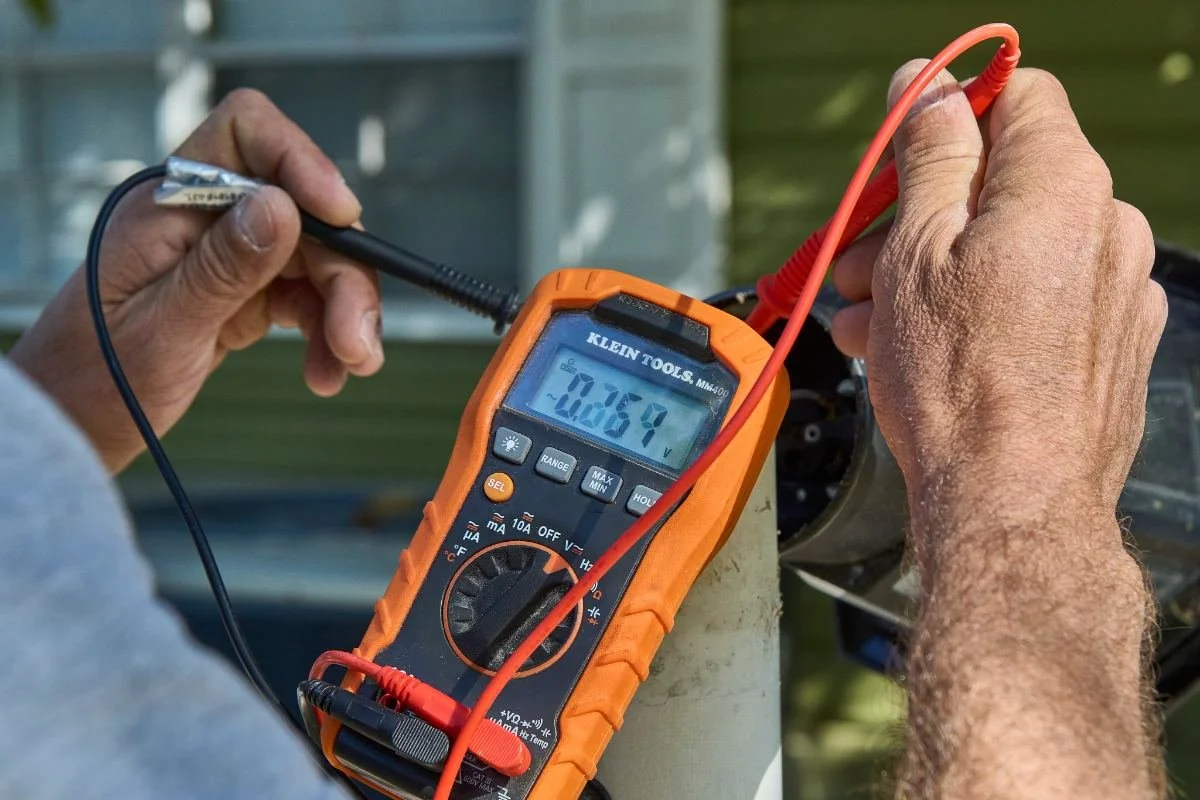
When the dealer tests the system, each shut-off is checked: power is shut off at each electrical appliance under the hood, and the gas valve is closed.
Permits and inspection
Separate Permits for Separate Trades
We apply for the electrical permit and schedule its inspection with the county or city. You provide access for the inspector.
- Hernando County: Outside the Brooksville city limits, the county has its own application for a commercial hood and its suppression system.
- Pasco County: In unincorporated Pasco, the fire marshal's office inspects the hood and the suppression system. Its guide for builders states that the final inspection occurs after all trades have finished, with a representative from each trade present.
Pricing
Putting a Price on a Hood Tie-In
A tie-in is estimated; tracing a shut-off that failed its test is a repair visit.
We don't do upfront pricing. No job has a standard price with us: each one is tailored to the property and the work you've asked for, and priced once we've seen it.
We offer free estimates on installs, upgrades, and replacements in our service area. Estimates aren't free when the job needs troubleshooting or testing to price, falls after hours or outside our service area, needs several meetings to gather information, or is new construction or a custom remodel with multi-party walk-throughs. For most jobs, estimates arrive by email by the end of the next business day, and quotes are good for 30 days.
Custom homes and large or multi-phase projects are estimated as soon as we can, or on the timeline your project sets.
Repair and troubleshooting visits are billed by the hour from arrival: $100 residential, $150 commercial, one-hour minimum, then half-hour increments, plus materials. No trip charge and no service fee. No hidden fees: the 3.5% surcharge on card and ACH payments is listed in our terms.
Where our warranty starts and stops
05If something we installed fails because of our workmanship within 30 days of completion, we waive the hourly labor to put it right. Materials Kennedy Electric purchases for your job carry the manufacturer's one-year warranty. To replace defective materials we supplied, or materials damaged by storm, flood, fire, or other acts of God, we charge a reduced warranty labor rate of $50 an hour residential and $75 an hour commercial. The warranty does not cover materials not purchased by Kennedy Electric, work performed by the customer, or materials the customer purchased or damaged. Our warranty terms are printed on the estimate, the invoice, and the receipt, and the product boxes stay with you so you can register each product with its manufacturer.
Real customer stories
An Outside View of Our Work
Straight from Google, in our customers' own words.
Does the shut-off have to include the hood lights?
An electric fryer is replacing a gas fryer under the hood. What happens to the shut-off?
The state approved our restaurant plans. Does that cover the hood's fire-safety items?
Contact us
Schedule a Hood Tie-In
When you call, have the fire equipment dealer's name and number, the hood and suppression drawings, and a list of the appliances under the hood. If a failed inspection brought you here, add the inspector's list. Say whether the building has a fire alarm system and what hours the kitchen runs.