Which AC Units Use the Most Electricity? A Florida Guide
Why does the AC feel like it never shuts off, but the house still never quite feels comfortable? Standing under a vent in a Florida home, listening to the unit roar while the electric meter spins, feels like paying nonstop for lukewarm relief.
Most homeowners start researching this topic after months of daily frustration, not out of curiosity. The power bill jumps again, the AC runs all afternoon, and certain rooms still feel sticky or warm. That realization usually hits while lowering the thermostat by one more degree, already knowing it will not help much. When homeowners misunderstand which AC units use the most electricity, the result is often wasted money, uneven comfort, constant noise, and a system that feels like it works against the house instead of for it.
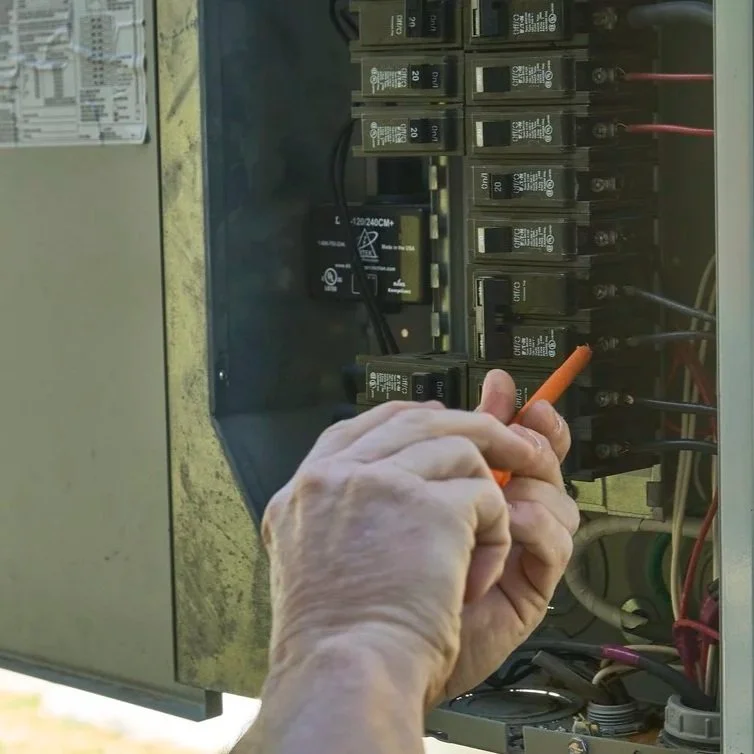
Electrician inspecting breaker panel to diagnose air conditioner power draw, helping identify causes of high electricity usage in Florida homes.
Why Is My AC Using So Much Electricity in Florida?
Many Florida homeowners type that exact question after comparing bills with neighbors or reviewing last summer’s costs. Air conditioning usage skyrockets in this climate because systems run longer, cycle more frequently, and fight humidity as much as temperature. Electricity use is not just about cooling power. It depends on how efficiently a unit removes heat and moisture while matching the home’s size and layout.
The biggest misunderstanding is assuming that all AC units of similar size behave the same. Two systems can cool a home to the same temperature while using very different amounts of electricity. Design, age, maintenance, and installation quality all affect how hard a unit has to work. In Florida, even small inefficiencies can be costly because AC use accounts for most household electricity consumption. Ignoring those differences locks homeowners into years of high bills without obvious warning signs.
Older Central AC Units That Never Seem to Catch Up
Older central air conditioning systems are among the biggest electricity users in Florida homes. Many were installed before modern efficiency standards became common. These units cool by brute force rather than precision, running longer cycles with less effective moisture removal. Homeowners often describe them as always on yet never comfortable.
As systems age, compressors lose efficiency, coils collect buildup, and motors draw more power to deliver the same output. Homeowners mistake constant operation for dedication rather than inefficiency. Over time, those long cycles dramatically increase electricity usage. The system still cools, which creates a false sense of normal operation. In reality, the unit works far harder than necessary, especially during peak summer months when electricity rates and demand climb. Older systems quietly become the largest line item on the power bill.
Oversized AC Units That Short Cycle and Waste Power
One of the most common homeowner mistakes involves oversized AC units. Bigger feels safer, especially in Florida heat, so many homes end up with systems larger than needed. The problem shows up as rapid cycling. The AC blasts cold air, then shuts off quickly and restarts minutes later.
Short cycling uses more electricity because starting a compressor draws significant power. It also prevents proper humidity removal, leaving the home feeling clammy even when cool. Homeowners respond by lowering the thermostat, which further increases electricity usage. Over time, short cycling accelerates component wear, leading to higher repair costs. Oversized units feel powerful but behave inefficiently. The misunderstanding stems from assuming more capacity equals better comfort, when matching capacity to the home matters far more.
Window Units That Run All Day Without Relief
Window air conditioners seem harmless because they cool small areas. In Florida homes, they often become permanent fixtures, running all day in bedrooms or additions. Older window units, especially, use surprising amounts of electricity relative to the space they serve.
These units struggle in high humidity, running constantly to maintain temperature. Poor insulation around the unit lets heat leak back inside, forcing longer run times. Homeowners often forget window units when thinking about energy usage because they feel temporary or supplemental. Over months of continuous operation, they quietly consume large amounts of electricity. Multiple window units running daily can rival or exceed the usage of a central system, especially when poorly sealed or outdated.
Portable AC Units That Look Efficient but Aren’t
Portable AC units appeal to homeowners seeking quick solutions. They promise flexibility and easy installation, which feels ideal for Florida's heat. The reality often disappoints. Many portable units vent hot air inefficiently, creating negative pressure that pulls warm air back into the room.
That design flaw forces the unit to work harder and longer. Electricity usage climbs while comfort remains inconsistent. Homeowners often describe portable units as loud, hot, and underwhelming. Running them continuously feels necessary to maintain basic comfort. Over time, electricity costs rival those of more permanent solutions without delivering the same performance. The misconception lies in equating portability with efficiency, when the opposite is often true in humid climates.
Heat Pumps That Struggle When Poorly Matched
Heat pumps are common in Florida and can operate efficiently when properly selected and installed. Problems arise when systems are poorly matched to the home or neglected over time. Heat pumps rely on moving heat rather than generating it, which works well until components degrade.
When coils are dirty or refrigerant levels drop, electricity usage rises quickly. The system still cools, masking the issue. Homeowners often do not realize the unit draws far more power than intended. Improper installation worsens the problem, forcing the system to compensate constantly. Heat pumps that should save energy end up using more than expected. Without proper sizing and maintenance, their efficiency advantage disappears quietly.
Duct Issues That Make Any AC Unit Use More Electricity
Even the most efficient AC unit uses excessive electricity when paired with poor ductwork. Leaky ducts lose cooled air into attics and walls. Florida attics reach extreme temperatures, which magnifies losses. Homeowners notice certain rooms never cool properly and assume the unit lacks power.
The AC runs longer, increasing electricity use throughout the home. Over time, that wasted energy adds up significantly. Many homeowners replace units without addressing duct problems, repeating the cycle. The misunderstanding comes from treating the AC unit as a standalone machine rather than part of a system. Duct inefficiencies force any unit to operate at its worst, regardless of rating or age.
Why SEER Ratings Confuse More Than They Help
SEER ratings dominate AC marketing, but homeowners often misunderstand what they represent. A higher SEER indicates better efficiency under controlled conditions. Real-world performance depends on installation quality, home layout, and climate.
In Florida, humidity removal matters as much as temperature reduction. A high SEER unit poorly installed may use more electricity than a lower-rated unit properly matched to the home. Homeowners fixate on numbers without understanding context. That leads to disappointment when expected savings fail to materialize. Efficiency ratings guide decisions but do not guarantee results. Ignoring practical factors leads to systems that underperform while still charging premium prices.
Why My AC Runs Constantly During Florida Summers
That question appears in search bars every year as temperatures rise. Constant operation feels alarming, but it is common when systems face high heat loads. The issue becomes problematic when constant operation does not translate into comfort.
AC units that run nonstop while struggling to control humidity use the most electricity. They never reach optimal efficiency because conditions prevent rest cycles. Homeowners feel trapped, afraid to turn systems off, but frustrated by costs. Constant runtime accelerates aging and increases electrical demand. Without addressing the underlying causes, usage remains high despite thermostat adjustments.
How Aging Electrical Systems Amplify AC Electricity Use
Electrical systems affect AC efficiency. Older panels, undersized circuits, and worn connections increase resistance. That resistance wastes electricity as heat before it even reaches the unit.
Homeowners rarely connect electrical infrastructure to AC performance. Over time, stressed circuits increase energy loss and reduce motor efficiency. Electricians often uncover these issues during unrelated service calls. Correcting electrical problems improves overall system performance. Ignoring them keeps electricity usage elevated without obvious signs.
Why Florida Homes Feel the Cost More Than Others
Florida homes experience longer cooling seasons than most regions. AC systems operate daily for much of the year. Even moderate inefficiencies accumulate quickly. Homes with poor insulation, sun exposure, and open layouts increase demand further.
That reality makes AC units the single largest electricity consumer in most Florida households. Homeowners moving from cooler climates often feel shocked by bills. Appliance habits stay the same, but AC usage changes everything. Understanding that difference helps homeowners stop blaming themselves and start examining systems realistically.
The False Belief That Lowering the Thermostat Saves Money
Many homeowners respond to discomfort by frequently adjusting their thermostats. Lowering settings feels proactive, but often backfires. AC units work harder, draw more power, and remove humidity less effectively when constantly pushed.
The belief that colder temperatures mean faster cooling leads to higher electricity use without better comfort. Over time, that habit increases wear and costs. Stable settings paired with efficient systems perform better. Breaking this misconception reduces frustration and wasted energy.
Why AC Maintenance Affects Electricity Use More Than Expected
Maintenance impacts how efficiently AC units operate. Dirty coils, clogged filters, and low refrigerant levels force systems to run longer. Homeowners often delay service because the unit still cools.
That delay costs money quietly. Electricity usage rises while performance declines gradually. Florida conditions accelerate the buildup and wear. Regular maintenance prevents small issues from becoming constant energy drains. Ignoring it turns even newer units into high electricity users prematurely.
How Professional Insight Changes the Picture
Electricians and HVAC professionals see patterns homeowners miss. Load calculations, electrical capacity, and system interaction reveal why certain AC units use more electricity. Companies like Kennedy Electric often identify electrical factors contributing to high AC usage that homeowners never considered.
Understanding electricity flow, system demand, and infrastructure limitations brings clarity. Instead of guessing, homeowners gain answers. That clarity turns frustration into informed decisions and realistic expectations about AC performance in Florida homes.
FAQs
Older central AC systems and oversized units typically use the most electricity due to long run times and inefficient operation. Poor humidity control and aging components increase power consumption significantly.
Window units can increase bills substantially when run daily, especially older models. Continuous operation and poor sealing force them to draw more power than homeowners expect.
Constant operation usually indicates inefficiency, humidity issues, or system mismatch. Units may cool air but fail to remove moisture effectively, leading to discomfort and high electricity usage.
Portable AC units often use more electricity than expected due to inefficient venting and air leakage. Long run times increase costs without delivering consistent comfort.
Electrical issues like loose connections and undersized circuits increase resistance and waste power. Addressing the electrical infrastructure can reduce AC electricity usage over time.
