

What Is a Short Circuit? Causes, Dangers, and Solutions
Why did half the house go dark when nothing new was turned on, and why did it smell weird for a second? Florida homeowners know that heart drop when a breaker snaps off hard and fast, especially when it happens during dinner or right after the air conditioner kicks on.
Short circuits turn everyday living into instant stress because they show up without warning and leave homeowners guessing what just went wrong. One moment, everything feels normal, and the next, the lights go out, appliances stop mid-cycle, or a sharp pop comes from somewhere nobody can see. People often delay addressing short-circuit problems because power returns after resetting a breaker, but that delay often leads to repeated outages, damaged electronics, or growing safety risks hidden behind walls.
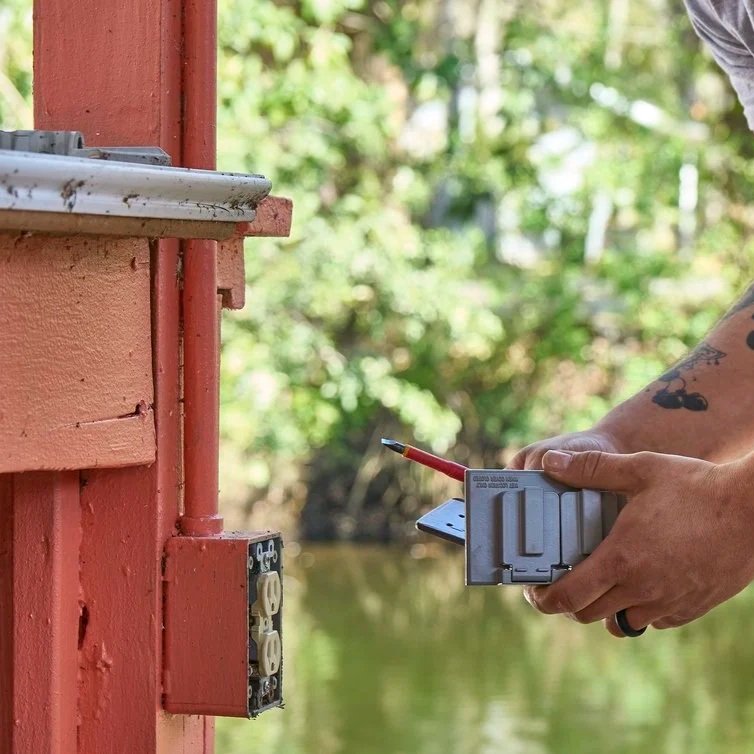
Electrician installing outdoor outlet wiring on wooden structure to address short circuit risks and ensure safe electrical performance outdoors.
What A Short Circuit Actually Is And Why It Feels So Sudden
A short circuit happens when electricity takes an unintended shortcut instead of following its designed path through wiring and devices. Electricity moves fast, so when that shortcut appears, the reaction is immediate. Breakers trip instantly, fuses blow, or wires overheat in seconds. Homeowners often assume something big must have failed all at once, but most short circuits develop quietly long before the dramatic moment.
Short circuits usually occur when insulation breaks down, wires loosen, or metal parts come into contact where they shouldn't. Florida homes experience extra strain from humidity, salt air in coastal areas, and constant cooling demand. Over time, moisture and heat weaken insulation and connections. When enough degradation builds up, electricity suddenly finds a faster route, triggering the protective response homeowners notice as a loud click, a power loss, or a burning smell.
Why Homeowners Often Misunderstand Short Circuits
Many homeowners think a short circuit means wires physically touching and sparking wildly inside the walls. While dramatic shorts can occur, most are subtler and harder to spot. A small nick in insulation or a loose terminal screw creates enough contact to cause a problem without visible sparks. That misunderstanding leads people to underestimate the seriousness of the issue.
Short circuits also get confused with overloaded circuits. Overloads happen when too much electricity flows through a circuit over time, while short circuits happen when electricity bypasses resistance entirely. Both cause breakers to trip, which makes them feel similar. The difference matters because repeated short circuits indicate physical damage or failure somewhere in the system. Ignoring that distinction often results in repeated resets instead of meaningful repairs.
Common Florida Causes Of Short Circuits Inside Homes
Short circuits rarely come from a single dramatic event. More often, they develop from everyday wear combined with environmental factors. Florida heat causes wiring to expand and contract, loosening connections over time. Humidity works its way into outlets, switches, and junction boxes, especially in garages, patios, and outdoor installations.
Rodents and pests also cause short circuits by chewing through insulation. Older Florida homes with aging wiring face additional risks from brittle insulation and outdated materials. DIY repairs create another layer of problems when incorrect wire sizes, improper splices, or mismatched components introduce weak points. Each of these factors builds quietly until electricity finds a path it was never meant to take.
Why Short Circuits Are More Than Just Inconvenient
Short circuits feel like annoyances at first because power often comes back after resetting a breaker. That convenience hides the danger. A breaker trips to stop a surge of electricity that could overheat wires and start a fire. Every short circuit stresses wiring and connections, even if damage is not immediately visible.
Repeated short circuits increase the risk of insulation melting, arcing at connections, and hidden heat buildup. Electrical fires often start inside walls or ceilings, where homeowners cannot see warning signs. Florida fire investigations frequently trace causes back to electrical faults that were ignored because they seemed minor. The danger grows over time, not all at once, which is why early attention matters.
What Happens When A Short Circuit Gets Ignored
Ignoring short circuits usually leads to escalation rather than resolution. Wires damaged by heat become more fragile, increasing the risk of future failures. Breakers that trip frequently wear out faster and may not respond as reliably when needed most.
Appliances and electronics also suffer from repeated electrical interruptions. Sudden power loss stresses motors, control boards, and compressors. Florida homeowners often notice refrigerators, air conditioners, or pool equipment failing earlier than expected without realizing that short circuits played a role. The cost adds up quietly through replacements, repairs, and rising frustration.
Why Do Breakers Trip So Fast During A Short Circuit
Circuit breakers respond quickly because short circuits allow a massive surge of current in a very short time. Unlike overloads that build gradually, short circuits create an instant spike. Breakers are designed to detect that spike and shut off power almost immediately to limit damage.
Homeowners sometimes replace breakers after repeated trips, assuming the breaker itself is faulty. While breakers can fail, replacing one without addressing the underlying short circuit usually leads to the same problem repeating. Understanding why breakers react so quickly helps homeowners realize the urgency behind the interruption rather than viewing it as a nuisance.
Outlets, Switches, And Hidden Short Circuit Sources
Outlets and switches are common locations for short circuits because they are constantly in use. Loose wires behind outlet plates create contact points that shift over time. Backstab connections, common in older installations, loosen more easily under heat and load.
Outdoor outlets face additional risks from moisture intrusion. Florida rainstorms, humidity, and sprinkler systems expose exterior wiring to conditions that degrade protection. Short circuits in these locations often show up after storms or during heavy appliance use. Homeowners notice patterns without understanding the cause, which delays proper diagnosis.
Appliances That Commonly Trigger Short Circuits
Appliances with motors or heating elements are frequent triggers of internal faults. Washing machines, dryers, dishwashers, and air conditioners pull significant power and contain moving parts. Worn insulation inside these appliances can allow electrical contact with metal frames or internal components.
Portable devices also contribute to short circuits when cords fray or plugs loosen. Long-term use of extension cords, especially in garages or patios, creates additional risks. Homeowners often focus on wall wiring and overlook appliance-related sources. Identifying whether a short circuit originates from fixed wiring or a device changes how the problem gets solved.
Why Moisture And Florida Weather Matter So Much
Moisture plays a major role in electrical failures. Florida humidity seeps into electrical components even indoors, especially in homes without consistent climate control. Condensation forms inside panels, outlets, and fixtures, leading to corrosion.
Corroded connections increase resistance and create uneven contact surfaces. Electricity seeks the easiest path, which can sometimes lead to unintended contact through moisture. Short circuits related to moisture often come and go with weather changes, making them harder to track. Seasonal patterns confuse homeowners who assume the problem fixed itself when conditions temporarily improve.
Why DIY Electrical Fixes Often Create Short Circuits
DIY electrical work often introduces unintentional short-circuit risks. Incorrect wire stripping exposes bare conductors. Loose wire nuts fail over time. Mixing wire sizes creates uneven heating and stress points. Homeowners often rely on tutorials that skip over code requirements or environmental considerations specific to Florida.
Temporary fixes become permanent by default. Over time, vibration, heat, and moisture turn small mistakes into failures. Electricians regularly uncover short circuits tied to old DIY repairs that worked for years before failing. Understanding that longevity does not equal safety helps homeowners rethink earlier shortcuts.
How Electricians Actually Diagnose Short Circuits
Diagnosing a short circuit involves more than resetting breakers and guessing. Electricians isolate circuits, test continuity, inspect connections, and identify fault locations. The process takes patience because short circuits can hide behind walls, ceilings, or inside devices.
Advanced tools help locate faults without unnecessary demolition. Electricians also evaluate surrounding components to determine why the short circuit formed in the first place. Fixing the symptom without addressing the contributing factors often leads to repeated issues. Proper diagnosis looks at both the immediate failure and the conditions that allowed it to develop.
Why Timing Makes Short Circuits More Likely Right Now
Electrical systems age whether homeowners notice or not. Florida homes built decades ago face increasing strain from modern lifestyles. Electric vehicle chargers, home offices, and upgraded appliances increase demand on wiring designed for simpler needs.
Seasonal heat intensifies electrical stress. Air conditioners run longer cycles, pushing systems closer to limits. Small weaknesses that stayed hidden during mild weather reveal themselves under peak load. Timing matters because problems rarely appear when conditions are ideal. Short circuits tend to surface at moments when homeowners can least afford disruption.
What Proper Repairs Actually Address
Proper short circuit repairs go beyond replacing damaged wires. Electricians evaluate insulation integrity, connection security, grounding quality, and load balance. Repairs often involve correcting installation methods, upgrading materials, or rerouting circuits to reduce stress.
Ignoring surrounding conditions leaves systems vulnerable to future failures. Effective repairs focus on stability over time rather than quick restoration of power. Homeowners benefit when solutions address why electricity took the wrong path, rather than just temporarily blocking it.
Living With Short Circuit Anxiety And Daily Frustration
Short circuits create a lingering sense of uncertainty in homes. Homeowners hesitate to use certain outlets or appliances, worried that something will trip again. Daily routines get disrupted, especially when outages affect kitchens, laundry rooms, or home offices.
That stress compounds when people do not understand what is happening. Electrical issues feel invisible and unpredictable, which makes frustration worse. Clear explanations and proper fixes restore confidence, not just power. Knowing the cause reduces anxiety even before repairs are complete.
FAQs
Common signs include breakers tripping instantly, burning smells, buzzing sounds, or power cutting out without warning. These symptoms often appear suddenly and should not be ignored, even if power returns quickly.
Breakers reduce immediate danger, but the underlying issue remains. Repeated short circuits increase fire risk and equipment damage over time if left unaddressed.
Short circuits can damage appliances by causing sudden power interruptions or internal faults. Motors, control boards, and sensitive electronics are especially vulnerable to repeated electrical stress.
Short circuits can happen in homes of any age. Older homes face aging materials, while newer homes may experience issues from installation errors, moisture exposure, or increased electrical demand.
Resetting a breaker once may restore power temporarily, but repeated trips indicate a problem that needs investigation. Continued resets without diagnosis increase long-term risk.
Electricians at Kennedy Electric frequently explain short circuits during service calls because understanding the problem helps Florida homeowners protect their homes, appliances, and peace of mind over time.
