Preventing Power Outages During Storm Season with Electrical Upgrades
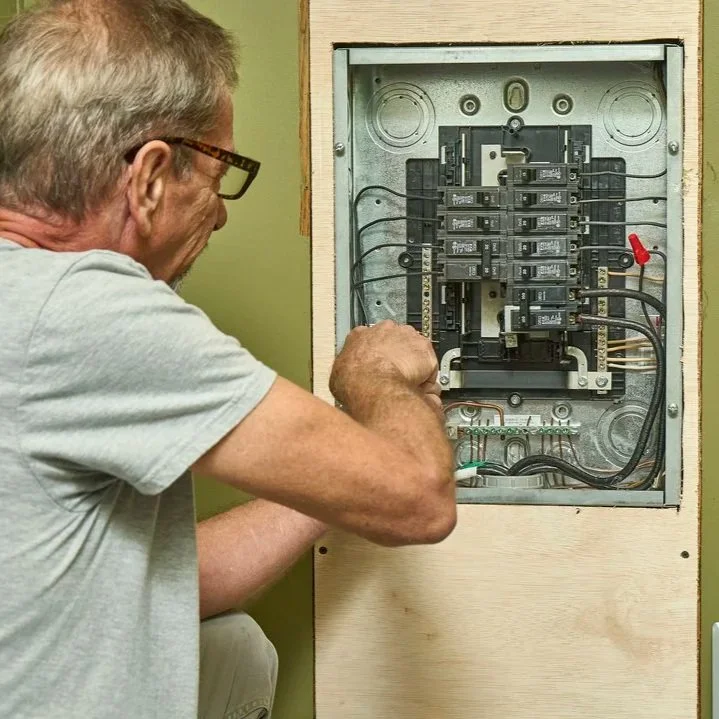
Professional services not only reduce the risk of power outages but also protect the entire system from long-term damage.
Storm season doesn't knock politely. It rolls in with thunder, throws lightning around like it's in charge, and tests every electrical system in sight. For homes that still rely on outdated panels, unprotected circuits, or shaky outdoor wiring, those seasonal storms bring more than just noise. They threaten to shut down the whole place. Fortunately, the right electrical upgrades offer a strong line of defense. Professional services not only reduce the risk of power outages but also protect the entire system from long-term damage.
Inspecting Panels Before the Storms Arrive
A home's electrical panel is its command center. If that panel is outdated, overloaded, or corroded, it becomes a weak link as a storm pushes power surges and grid disruptions through the neighborhood. Many homes still use 100-amp panels that lack the muscle to meet modern demands, especially during storm season, when HVAC systems, sump pumps, and backup appliances all compete for power.
Upgrading to a 200-amp panel with modern breakers and surge protection provides the system with the capacity and stability it needs to handle erratic grid conditions. Electricians check for signs of rust, overheating, and poor labeling, and verify that breakers match the wire sizes and appliances connected to them.
A clear, well-labeled panel makes it easier to restore service quickly after an outage and minimizes confusion during emergencies. That small detail becomes a major benefit when someone needs to flip the breaker to the fridge, not the bedroom lights.
Installing Whole-Home Surge Protection
Lightning strikes don't have to be direct to cause damage. A strike on a nearby power line can send a surge through the entire neighborhood. Without proper protection, that surge can fry appliances, kill electronics, and start fires inside the walls.
Whole-home surge protection is installed directly at the main panel and acts as a gatekeeper, redirecting excess voltage before it reaches delicate circuits. This is especially important during storm season when the grid experiences more frequent fluctuations.
Electricians install surge protectors that match the home's voltage and capacity. They also provide point-of-use protection for sensitive equipment such as home theaters, computers, or medical devices. A layered surge protection strategy keeps the system calm during electrical chaos, even when thunder is doing its best rock concert impersonation outside.
Grounding Systems That Keep You Safer
Proper grounding gives electricity a path to ground when things go wrong. Without it, a surge may travel through appliances, wall outlets, or even people. Many older homes were built with inadequate or outdated grounding systems, and those systems can't meet modern safety standards.
Licensed electricians evaluate the existing grounding configuration and upgrade it to meet current codes. That might mean driving a new ground rod into the earth, adding bonding connections between water pipes and electrical panels, or repairing compromised ground wires. Strong grounding also supports other upgrades, such as surge protectors and generators. It helps stabilize voltage throughout the home and lowers the risk of shock during rainy weather or when wet tools plug into garage outlets.
Adding Backup Power Options
Storm-related outages can last hours or even days, depending on the damage to the grid. While candles have their charm, most homeowners prefer the refrigerator to stay cold and the Wi-Fi to keep humming. Backup power systems fill the gap between total darkness and full utility restoration.
Professionals install standby generators that connect directly to the home's panel and activate automatically during an outage. These systems run on natural gas or propane and can power the entire house or just selected circuits. That means lights, security systems, medical equipment, and appliances can continue running without interruption. For smaller budgets or more modest needs, electricians also wire portable generator connections and transfer switches. These setups allow for safe, legal use of a portable generator without the risks of backfeeding power or running extension cords through windows.
Protecting Outdoor Wiring and Equipment
Outdoor electrical systems take the brunt of storm damage. Flooded junction boxes, corroded outlets, and exposed conduit can all create serious hazards when wet. Storm prep starts with inspecting every outdoor connection to see if it's sealed, secure, and rated for the conditions it faces.
Electricians replace or upgrade outlet covers with in-use, weather-resistant versions. They seal conduit entries, inspect low-voltage landscape lighting connections, and relocate poorly placed boxes that sit too low to the ground. In areas prone to flooding, outdoor receptacles are moved to higher mounting points and equipped with ground-fault circuit interrupters.
Pools, spas, and patio kitchens get special attention since they combine water, metal, and electricity in one location. Professional service includes verifying bonding and grounding, replacing corroded components, and testing breakers and disconnects. It's not glamorous work, but it prevents disaster when the skies open up.
Updating Interior Wiring for Safety and Stability
Storm-related outages often reveal weaknesses in interior wiring. Flickering lights, humming outlets, or frequent breaker trips could all signal outdated, damaged, or overloaded wiring. Homes built before the 1980s might still use aluminum wiring or ungrounded two-prong outlets that don't withstand stress.
Electricians inspect problem areas such as attics, crawlspaces, and utility closets. If they discover wiring with cracked insulation, loose splices, or improper connections, they recommend rewiring part or all of the circuit. They also replace ungrounded outlets with modern three-prong models and bring wiring up to current safety standards. Updating even one high-demand circuit—like the one serving the kitchen or home office—can improve stability during peak use and reduce the chance of short circuits during a storm.
Installing Smart Panels for Better Monitoring
Smart panels give homeowners real-time insight into how much power the home uses and where it's going. That visibility becomes especially useful when the system operates on backup power or when storms cause partial outages.
Professionals install smart breaker panels that communicate with mobile apps and send alerts when unusual patterns emerge. They can also remotely shut off individual circuits, helping homeowners manage loads during emergencies or while away from home. Some systems integrate with solar power or battery backup solutions, creating a connected ecosystem that adapts to grid conditions and minimizes waste. When the lights flicker, the system doesn't panic—it adjusts.
Prioritizing GFCI and AFCI Protection
During storms, water has a way of finding its way into unexpected places. A single leak near an outlet or wire can cause a dangerous arc or shock. Ground-fault circuit interrupters (GFCIs) cut power the moment they detect an imbalance, and arc-fault circuit interrupters (AFCIs) do the same for sparking and arcing.
Code requires GFCIs in bathrooms, kitchens, garages, laundry rooms, and any other areas where moisture may be present. Electricians test existing outlets and breakers to confirm they still function properly. If not, replacements are quick and relatively affordable. AFCI protection is especially important in sleeping areas and older homes where hidden wiring issues may exist. Professionals can upgrade breakers or install AFCI outlets to meet these safety requirements and provide a more resilient system ahead of storm season.
Maintaining Systems with Routine Checkups
One of the easiest ways to prevent storm-related electrical problems is to schedule seasonal maintenance. Waiting until a tree branch takes out the transformer is never a good plan. A pre-storm checkup catches small issues before they become system-wide failures.
Licensed electricians review panel conditions, inspect breakers, test GFCI and AFCI outlets, verify grounding, and assess surge protection readiness. They also tighten connections that may have loosened over time and evaluate circuit balance. A home that passes inspection before storm season is more likely to ride out the weather without hiccups. Even if the grid fails, the household stays calm and connected.
Helping Households Stay Powered Through the Worst
Storm season doesn't have to mean flashlight dinners and soggy extension cords. A little foresight—and a lot of expertise—can transform a home from vulnerable to resilient. Professional electrical upgrades not only prevent outages but also provide a safer, more stable environment when the skies turn dark.
From surge protection to generator installation, electrical services address storm season with tools and know-how that go far beyond temporary fixes. When the power stays on, and the fridge keeps humming, that's the kind of storm prep everyone appreciates.
Trust Kennedy Electric for expert ceiling fan installation, whole-house electrical surge protection, GFCI outlet installation, and other residential electrical services in Citrus, Hernando, and Pasco Counties. We take pride in offering efficient and on-time solutions to ensure home safety and peace of mind. Our aim is to ensure that your electrical systems work uninterrupted. Book a service today by calling us.
