
Boosting Energy Efficiency with High-Quality Exhaust Fan Solutions
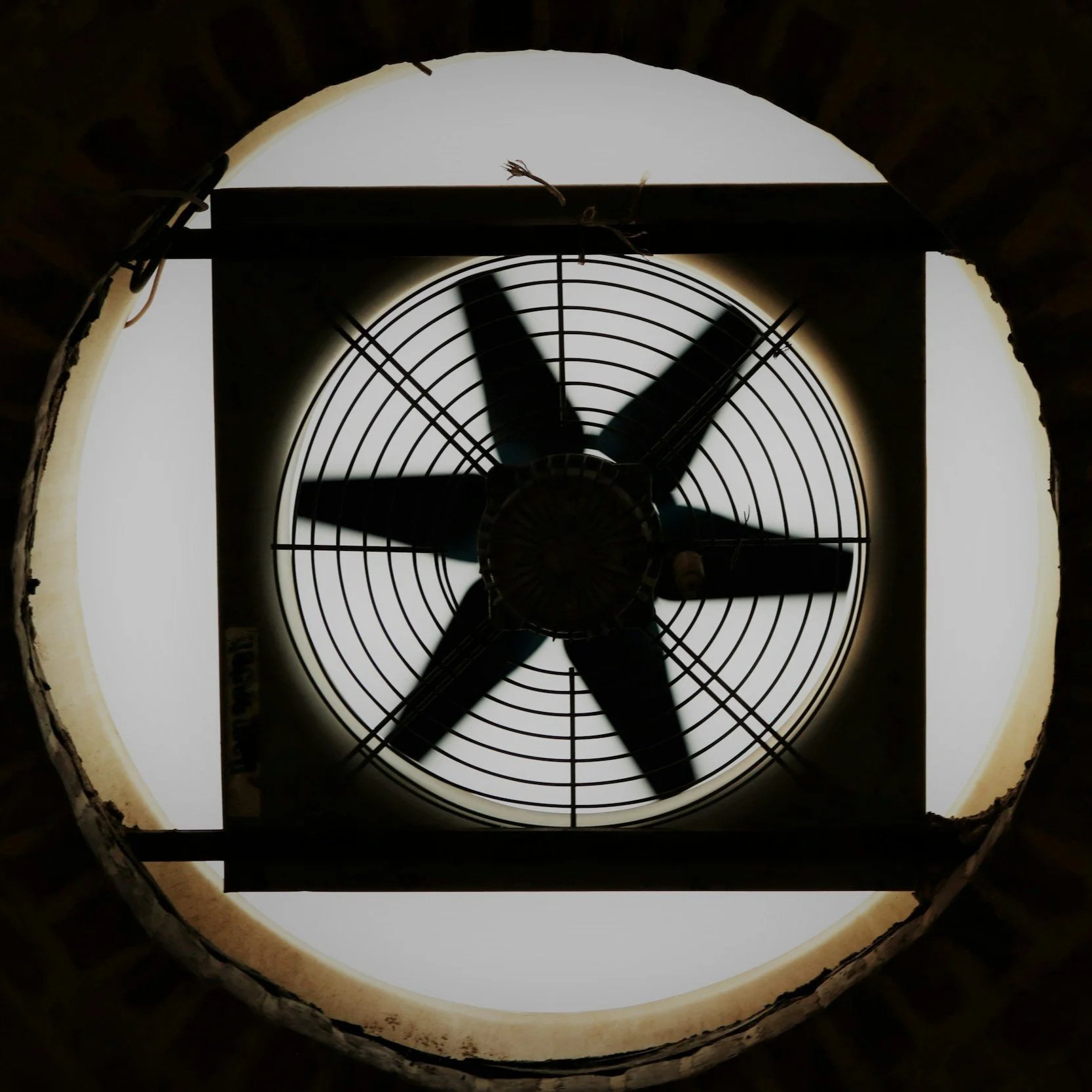
A properly installed exhaust fan brings fresh air into focus by improving indoor comfort and saving energy in the process.
Ventilation is one of those home features that hides in plain sight. It hums quietly in the background, moves air where it needs to go, and often gets ignored—until something starts to smell off, feel damp, or look foggy. A properly installed exhaust fan brings fresh air into focus by improving indoor comfort and saving energy in the process.
Professionally planned exhaust fan installation helps air move efficiently while reducing energy waste. Whether the goal is to kick moisture out of a steamy bathroom or keep the kitchen from turning into a sauna during dinner prep, the fan system plays a big role in keeping things comfortable without driving up utility bills.
Energy Efficiency Starts with the Right Fan
Not all fans are created equal. Energy-hungry units that run loudly and ineffectively burn through power without delivering results. High-quality exhaust fans, on the other hand, are designed to use less energy while moving more air, thanks to efficient motors and smart airflow engineering.
Professional electricians select fans based on the specific needs of the space. They calculate the correct cubic feet per minute rating, match fan models to the room size, and make sure the fan runs efficiently without being oversized or underpowered. That perfect match helps keep energy use down and performance up.
Some fans now come with Energy Star certification, which means they meet or exceed strict efficiency standards. Others include LED lighting and low-watt motors for even more savings. Professionals help homeowners weigh the options and choose a setup that aligns with both comfort goals and monthly budgets.
Smart Controls Save Even More
Manual fans are easy to forget. Smart fans, on the other hand, know when they are needed and how long to run. Built-in humidity sensors, timers, and motion detectors allow fans to operate only when conditions call for it, cutting down on wasted energy without sacrificing performance.
A humidity-sensing fan in a bathroom automatically kicks on during a shower and turns off once the air dries out. A kitchen fan with a timer runs long enough to clear out lingering heat and smoke, then shuts down without a second thought. Smart controls make ventilation nearly invisible while keeping the space fresh and dry. Professionals install fans with these features in mind, wiring them to operate smoothly with existing lighting or integrating them with smart home systems. The result is a system that quietly and efficiently does its job while staying out of the way.
Sealing the Deal with Proper Ductwork
Even the most efficient fan loses power when paired with poor ducting. Long, twisted, or leaky ducts make fans work harder, driving up energy usage without improving ventilation. Smooth, short, and properly insulated ducts help fans move air quickly and with less resistance.
Professionals design ductwork that follows the path of least resistance. They avoid tight bends, sagging runs, and improperly sealed joints. Every connection is taped, every vent properly terminated outside, and every inch of duct sized to support the airflow without adding drag. That kind of planning pays off in two ways. First, the fan moves air more effectively, keeping moisture and heat under control. Second, the fan motor lasts longer because it is not fighting against airflow blockages or leaks.
Venting Outside Makes a Difference
Exhaust fans only do their job if the air they move actually leaves the building. Venting into attics, crawlspaces, or wall cavities traps moisture and odors inside, creating a mess of other problems without improving efficiency. Properly vented systems push unwanted air outside, where it can disperse safely.
Professionals install exhaust fans with clear, direct paths to the outdoors. They use dampers to prevent backflow and protect the system from pests and drafts. They also choose vent covers that resist weather, match the home's exterior, and remain easy to maintain. Outdoor venting protects the building's structure from mold, rot, and excess humidity. It also means fans don't have to work overtime pushing air into spaces that were never meant to receive it. Fewer roadblocks mean smoother operation and better energy savings.
Supporting HVAC Efficiency
Exhaust fans might seem small compared to an HVAC system, but they play a supporting role in its performance. When moisture, heat, and stale air are removed efficiently, the air conditioner or heater does not have to work as hard to maintain a comfortable temperature.
A steamy bathroom without ventilation makes the home feel more humid overall, causing air conditioners to run longer and use more electricity. A kitchen that holds onto excess heat can trick the thermostat into thinking the entire home needs cooling. An efficient exhaust fan installation pulls that heat and humidity out before they spread. By balancing indoor air quality, exhaust fans reduce the strain on other systems and help maintain a more stable environment. Professionals take that into account when designing ventilation plans, considering the whole picture rather than isolated parts.
Quiet Operation Supports Daily Life
Energy savings are great, but nobody wants to trade a lower power bill for a fan that sounds like a lawnmower. High-quality fans are designed to operate quietly while maintaining powerful airflow. Quieter fans also encourage people to use them more consistently, thereby improving overall efficiency.
Professionals choose models with low sone ratings for sound, especially in bedrooms, home offices, or living areas. They also mount fans securely and insulate vibration points to prevent noise from transferring through walls or ceilings. Silence matters. A quiet fan blends into the background while saving energy and improving comfort. That harmony of form and function is where professional installations really shine.
Bathroom Ventilation That Delivers
Bathrooms are one of the most common places for exhaust fan installation, and for good reason. Steam from hot showers quickly fills the air with moisture that has nowhere to go without proper ventilation. That lingering humidity creates fogged mirrors, warped wood, peeling paint, and eventually mold.
A professionally installed bathroom fan removes that moisture quickly and efficiently. It runs quietly, vents outside, and shuts off automatically once the humidity drops back to a safe level. Modern bathroom fans may even include nightlights, timers, or Bluetooth speakers for added convenience. When installed properly, bathroom fans help preserve the building's health and the sanity of everyone using the space. They are a small part of the system with a big impact on energy and air quality.
Kitchen Exhaust Keeps the Air Clean
Cooking produces more than dinner. Smoke, grease, heat, and odors all hang around long after the meal unless there is a plan for getting them out. A high-quality kitchen exhaust fan captures those byproducts right at the source and vents them outdoors.
Professionals select fans based on stove size, cooking habits, and room layout. They mount hoods at the proper height, calculate the appropriate fan speed, and route the ducts to minimize airflow resistance. That level of precision keeps smoke alarms quiet and helps the kitchen feel clean even after searing, frying, or flambéing. Energy efficiency in the kitchen is about more than appliances. Good ventilation keeps the air clear and reduces cooling loads, especially during summer months. It also protects cabinetry and walls from grease buildup, extending the life of finishes and reducing maintenance.
Custom Solutions for Unique Spaces
Not every home has standard rooms or traditional layouts. Some have converted garages, finished attics, indoor pet spaces, or studios that need targeted ventilation. Exhaust fan solutions must be flexible and tailored to fit the space, not just slapped on a wall with hope and duct tape.
Professionals evaluate airflow, access points, ceiling heights, and room functions to recommend the right setup. That might involve multiple fans, inline ventilation, or smart zoning that runs fans in tandem based on conditions. Every space has different needs, and every solution deserves thoughtful design. That's what makes custom exhaust fan installation a smart investment for both energy savings and daily comfort.
Maintenance and Longevity
Energy-efficient fans are built to last, but only if they are installed properly and maintained with care. Loose wires, blocked ducts, or misaligned covers shorten lifespan and reduce performance over time.
Professionals secure all components, verify airflow during installation, and test safety features before leaving the site. They also provide guidance on cleaning and maintaining the fan so it stays in top shape. A well-installed fan may last for years with only a little dusting and an occasional filter check. Better performance means fewer replacements, lower energy bills, and one less thing to worry about when it comes to indoor air quality.
Exhaust Fans That Do More with Less
Boosting energy efficiency is not just about sealing windows or adjusting the thermostat. Sometimes, it is about letting stale air leave so that comfort can stay. Exhaust fan installation bridges the gap between energy savings and livable spaces, working quietly behind the scenes to keep things running smoothly.
Professionally installed fans operate smarter, last longer, and deliver better results. From the bathroom to the kitchen to every corner in between, high-quality exhaust fans do more with less, helping create homes that feel fresher, cleaner, and easier to enjoy.
Get top-quality, outlet and switch installation, home lighting, under-cabinet lighting, hot tub electrical, and exhaust fan installation for residential property owners in Citrus, Hernando, and Pasco Counties. Our team stands behind its workmanship and ensures professionalism, transparency, and constant communication. Licensed, bonded, and insured. Call today!