Portable Generator Safety Tips Every Homeowner Should Know
The generator is running, the cords are everywhere, and the house smells a little off, but you tell yourself it is fine. The power is out again, the fridge is too full to risk losing, and nobody really wants to think about safety rules when the heat and frustration are already high.
Most Florida homeowners start searching for generator safety tips after something feels wrong, not before. A loud engine outside the window, an extension cord warming up under bare feet, or a neighbor mentioning carbon monoxide is usually what triggers the worry. Portable generators seem simple and familiar, but small mistakes can make them among the most dangerous equipment used around the home during storm season.
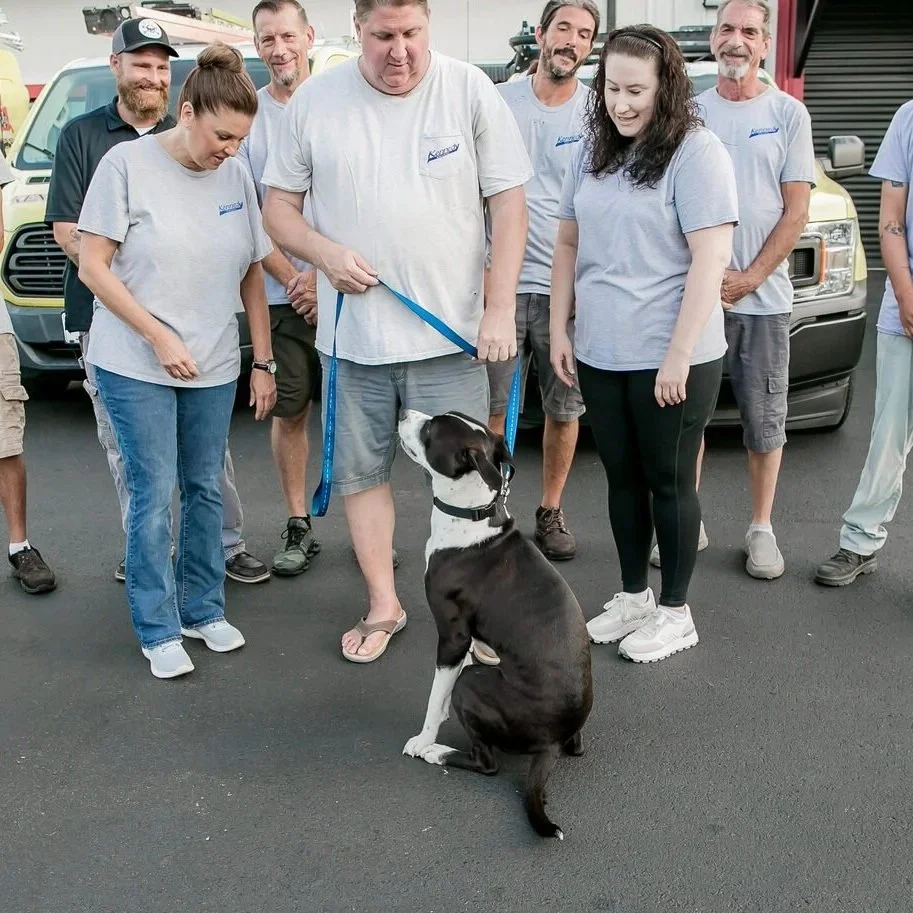
Electrical service team gathered outside with company dog, highlighting trusted expertise and community-focused generator safety education in Florida.
Why Portable Generators Feel Safe When They Are Not
Portable generators feel harmless because they look like oversized lawn equipment. They sit outside, they make noise, and they give power when everything else is dark. That familiarity leads homeowners to underestimate the risk they introduce into the home environment. Electricity, fuel, exhaust, and weather all collide around portable generators, especially during Florida outages.
Many homeowners assume danger comes only from direct misuse, such as running a generator indoors. The reality is more subtle. Improper placement, poor airflow, overloaded cords, and wet conditions all create hazards that build quietly over hours or days. Portable generators do not fail loudly when something is wrong. They allow unsafe conditions to develop slowly, which makes them more dangerous during long outages when attention is already stretched thin.
Why Generator Placement Is the Most Common Safety Mistake
Generator placement causes more problems than any other factor. Homeowners often place generators close to doors, windows, or garages to shorten extension cord runs. That choice feels logical but introduces serious carbon monoxide risks. Exhaust fumes travel farther than expected and get pulled inside through small openings, especially in Florida homes that are sealed tight for air conditioning.
Carbon monoxide exposure does not announce itself clearly. People feel tired, dizzy, or nauseous and blame stress or heat. By the time symptoms escalate, danger is already present. Proper placement means keeping generators far from openings and directing exhaust away from the home entirely. Safety depends on distance and airflow, not convenience, and that distinction gets overlooked during stressful outages.
How Florida Weather Makes Placement Harder
Florida weather complicates generator placement in ways homeowners rarely anticipate. Heavy rain, shifting winds, and flooding limit safe outdoor locations. Generators placed on patios or near lanais are often too close to living spaces. Elevation matters too. Low placement increases flood risk and exposure to standing water.
Homeowners sometimes move generators closer to the house as storms worsen, trying to protect equipment. That instinct increases carbon monoxide risk at the worst possible time. Electricians see many near-miss situations tied to weather-driven placement changes. Safe generator use requires planning placement before storms arrive, not improvising once conditions deteriorate.
Why Extension Cords Become a Hidden Hazard
Extension cords feel harmless, but they introduce serious electrical risks when used improperly. Undersized cords overheat when powering refrigerators, freezers, or air conditioners. Heat builds silently inside insulation until damage occurs. Florida heat accelerates that process, especially when cords are left in direct sunlight or on damp grass.
Long cords also increase voltage drop, which stresses appliances and generator engines alike. Homeowners notice devices running weakly or cycling repeatedly without realizing that the cords are the culprit. Using the wrong cords turns generators into unreliable and dangerous power sources. Proper gauge selection and limited run lengths are essential for safe operation.
The Problem With Running Too Many Devices at Once
Portable generators tempt homeowners to power more than they should. One more appliance feels harmless until the generator strains under load. Overloading causes unstable voltage that damages electronics and increases fire risk. Many generators lack clear indicators that the load is unsafe.
Florida homes often rely on multiple motor-driven appliances during outages. Refrigerators, fans, sump pumps, and garage door motors all demand extra power at startup. Running them simultaneously overwhelms portable units quickly. Safe generator use involves prioritizing loads intentionally, not plugging in everything that fits.
Why Fuel Handling Creates Fire Risks
Fuel handling remains one of the most overlooked safety concerns. Gasoline storage in hot, humid environments increases vapor buildup and spill risk. Homeowners often refuel generators while engines are still warm to keep power flowing.
That shortcut leads to fires more often than people realize. Gasoline vapors ignite easily near hot surfaces. Electricians and first responders see preventable fires caused by rushed refueling during outages. Safe operation requires shutting down generators completely and allowing adequate cooling before refueling, even when the inconvenience is extreme.
How Carbon Monoxide Detectors Save Lives
Carbon monoxide detectors provide a critical safety layer during generator use. Many homes rely solely on smoke detectors, leaving occupants vulnerable to invisible gas buildup. Portable generators produce significant exhaust that can infiltrate homes unexpectedly.
Florida homes with closed windows and running air handlers create pressure differences that pull fumes inside. Carbon monoxide detectors alert occupants before symptoms become severe. Generator safety planning includes verifying that detectors are installed, functional, and placed correctly throughout the home.
Why Shortcuts Feel Tempting During Outages
Outages change behavior. Stress rises, patience drops, and shortcuts feel justified. Homeowners prioritize comfort and convenience over caution when the house is hot, and food is at risk. Portable generators make those shortcuts easy because the setup feels informal.
Electricians see the same patterns after every storm season. Cords through doors, generators too close to walls, and overloaded circuits all trace back to rushed decisions. Safe generator use depends on resisting those instincts and following practices that feel inconvenient but prevent serious harm.
Why Portable Generators Demand More Attention Over Time
Portable generators require ongoing monitoring. Fuel levels, load balance, cord condition, and placement need regular checks during operation. Problems develop gradually rather than immediately.
Homeowners often relax once the generator is running, assuming safety issues would show up right away. In reality, heat buildup, moisture exposure, and exhaust movement change over time. Florida’s long outages magnify those risks. Safe generator use means staying engaged throughout operation, not just during setup.
Why Electrical Backfeeding Is More Dangerous Than It Looks
Some homeowners attempt to power home circuits directly through outlets using improvised connections. That practice, known as backfeeding, creates severe risks. Power flows into utility lines, endangering workers and damaging equipment.
Backfeeding also bypasses safeguards built into electrical systems. Circuits overload unpredictably, and voltage becomes unstable. Portable generators should never connect directly to home wiring without proper transfer equipment. Generator safety includes respecting the limits of what portable units are designed to do.
How Professional Advice Changes Generator Safety Outcomes
Electricians approach generator safety differently because they see the consequences of failure firsthand. They understand how small mistakes escalate under real conditions. Professional guidance helps homeowners avoid common hazards that online tips often gloss over.
Kennedy Electric works with Florida homeowners to address generator safety as part of broader electrical preparedness. That perspective focuses on preventing emergencies rather than reacting to them. Generator safety improves dramatically when treated as an electrical system issue, not just a temporary fix.
Why Portable Generator Safety Is About Habit, Not Fear
Safe generator use is not about being afraid of equipment. It is about developing habits that automatically reduce risk. Proper placement, correct cords, cautious fueling, and ongoing monitoring become routine with practice.
Homeowners who treat generators casually face repeated close calls. Those who build safety habits experience fewer problems and less stress during outages. Portable generator safety depends on consistency, not constant worry.
Why Florida Homes Face Higher Stakes
Florida’s climate and storm patterns increase generator risks. Heat accelerates failures, humidity worsens electrical issues, and long outages test attention spans. Portable generators that might feel manageable elsewhere become more demanding here.
Understanding that reality helps homeowners respect generator safety rules rather than dismiss them. Florida homes require extra care because conditions amplify mistakes quickly. Generator safety planning should reflect that heightened risk environment.
Why Portable Generators Change How People Use Electricity
Portable generators quietly change homeowner behavior in ways that increase risk over time. When power is limited, people start bending the rules they normally follow. Extension cords become permanent pathways. Power strips get chained together. Appliances that usually have dedicated circuits suddenly share outlets. Each adjustment feels minor, but together they create unstable electrical conditions.
Florida outages often last long enough for these habits to settle in. What starts as a temporary workaround becomes the new normal for days. Heat and fatigue reduce attention to warning signs like warm cords, flickering lights, or strange smells. Portable generator safety depends on recognizing how behavior shifts during outages and correcting those habits before they turn into dangerous patterns.
Why Grounding And Bonding Get Misunderstood
Grounding and bonding confuse many homeowners because the concepts feel abstract. Portable generators still require proper grounding to manage fault currents safely. Without it, electricity seeks unintended paths through equipment, cords, or even people.
Some homeowners assume that rubber tires or outdoor placement removes the need for grounding. That belief leads to shock hazards, especially in wet Florida conditions. Damp ground, rain-soaked grass, and bare feet increase exposure dramatically. Generator safety includes understanding that electricity behaves differently during faults, and grounding exists to control that behavior rather than improve performance.
How Wet Conditions Multiply Electrical Risks
Water and electricity interact constantly during hurricanes. Rain, puddles, and saturated soil increase conductivity around generators and cords. Equipment that felt safe in dry conditions becomes hazardous when moisture is present.
Homeowners often continue using generators in light rain without adjusting the setup. Extension cord connections sit on wet ground. Outlets get splashed. Generator frames become slick and conductive. Florida’s climate means dry conditions rarely last long during outages. Portable generator safety requires adapting setups for wet environments rather than assuming brief exposure is harmless.
FAQs – Generator Services in Florida
Portable generators should be placed far from doors, windows, garages, and vents, with exhaust directed away from the home. Distance and airflow matter more than convenience, especially in Florida’s sealed homes.
Yes, undersized or damaged extension cords can overheat under load, especially in hot, humid conditions. Properly rated outdoor-use gauge cords reduce fire and shock risks.
Generators should be protected from direct rain while maintaining ventilation. Wet conditions increase shock and corrosion risks, making proper placement and elevation critical.
Backfeeding sends power into utility lines, endangering workers and damaging equipment. It also bypasses home safety systems, creating unpredictable overloads and voltage issues.
Carbon monoxide detectors alert occupants before symptoms become severe. They provide critical warning during generator operation when exhaust infiltration can happen unexpectedly.
