NEC Code Updates: What Changed and How It Affects Your Home
Why does the electrical stuff that worked fine last year suddenly “not meet code” anymore? Nothing feels broken, but now inspections fail, upgrades stall, and the house somehow feels outdated overnight.
Most homeowners start looking into NEC code updates after a frustrating surprise. A panel upgrade gets flagged. A renovation pauses because something needs to change. A home inspection report suddenly mentions new requirements no one warned you about. The moment usually happens in a very specific place: standing in front of the electrical panel, the garage wall, or an open outlet box, while being told the rules have changed. When NEC code updates are misunderstood or ignored, homeowners often face delays, unexpected costs, and the feeling that the goalposts moved without notice.
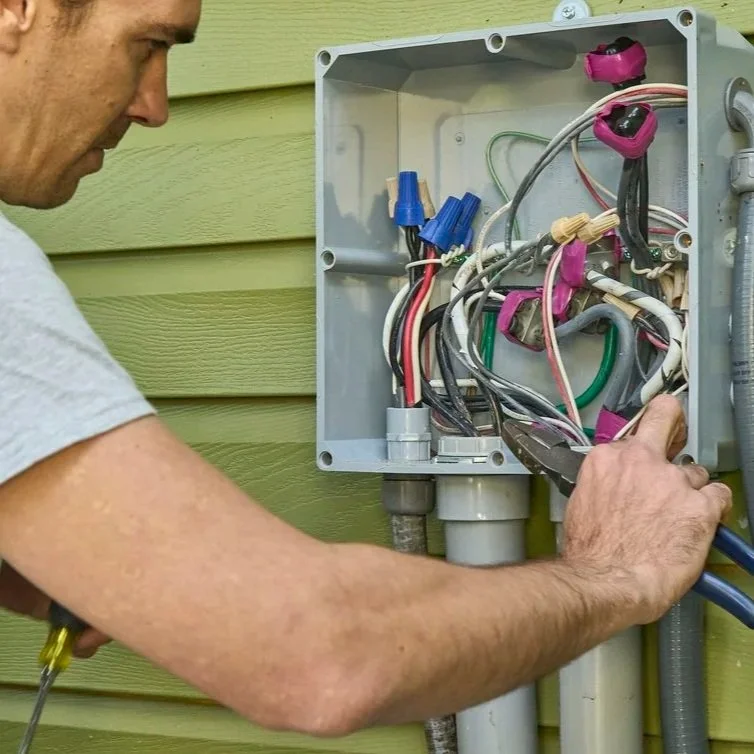
Electrician inspecting exterior electrical junction box, ensuring NEC code updates compliance, safe wiring connections, and reliable residential power distribution.
Why NEC Code Updates Feel So Personal to Homeowners
The National Electrical Code is updated regularly, but most homeowners only notice those changes when they directly affect a project. NEC code updates do not usually force people to rewire their entire home overnight, but they do shape what is allowed whenever work is modified, expanded, or inspected. That distinction causes confusion. Homeowners assume that if something was acceptable before, it should stay acceptable forever.
In Florida, this confusion often arises because many properties combine older construction with newer additions. NEC updates reflect lessons learned from real-world failures, fires, and injuries. As materials, appliances, and usage patterns evolve, code responds. Florida adopts those updates with regional considerations layered on top. When homeowners encounter these changes mid-project, they can feel arbitrary or punitive, even though the intent is to prevent.
Understanding that NEC code updates are reactive to patterns, not to individual homes, helps explain why requirements change. The code is not trying to make projects harder. It responds to how homes are actually being used today, compared to even a decade ago.
The Common Mistake of Thinking NEC Updates Only Affect New Homes
A widespread false assumption is that NEC code updates only matter for new construction. Many homeowners believe existing homes remain unaffected unless they are torn down or rebuilt. That belief causes shock during renovations or upgrades.
NEC code updates apply to new work, not necessarily the entire home. When a circuit is extended, a panel is replaced, or new equipment is installed, the updated code often applies to that scope of work. Homeowners who expect to swap components without broader changes often face corrections they did not anticipate.
That misunderstanding matters because electrical systems are interconnected. Updating one part can expose deficiencies in another. NEC updates aim to bring modified areas closer to current safety standards, even if surrounding systems remain grandfathered. Knowing the boundary helps homeowners plan projects with fewer surprises.
Why NEC Updates Focus More on Protection Than Convenience
Many recent NEC code updates emphasize protection rather than performance. Requirements for arc-fault protection, ground-fault protection, surge protection, and grounding reflect patterns nationwide. These updates are not about making systems smarter or faster. They focus on reducing risk.
Homeowners sometimes view these protections as excessive because problems are not immediately visible. Arc faults, for example, do not announce themselves until damage occurs. Ground faults may only appear under specific conditions. NEC updates respond to failures that caused real harm before protections existed.
In Florida, where storms, humidity, and lightning are constant factors, protective updates carry even more weight. Electrical systems experience stress daily. NEC updates attempt to address that reality before incidents happen. Homeowners who understand that intent see these changes less as hurdles and more as long-term safeguards.
How Panel and Service Requirements Keep Changing
One area where NEC code updates frequently impact homeowners is at the electrical panel and service level. Modern homes draw far more power than older ones were designed to handle. Air conditioning, EV chargers, pool equipment, and electronics place a constant load on systems.
NEC updates address service sizing, breaker protection, labeling, and capacity planning. Panels must support modern demand safely, not just function under ideal conditions. Homeowners often misunderstand these requirements because panels are out of sight and only become noticeable when something trips.
When NEC updates require changes to panels or service equipment, the goal is stability. Overloaded systems generate heat, wear faster, and fail unpredictably. Code changes push systems toward safer margins that reflect real usage patterns in today’s homes.
The Growing Emphasis on AFCI and GFCI Protection
One of the most noticeable NEC code updates for homeowners involves expanded AFCI and GFCI requirements. These devices protect against different hazards, but both focus on preventing injuries and fires that traditional breakers cannot catch.
Homeowners often misunderstand why protection expands into areas that never required it before. Older homes may have functioned without these devices for decades. NEC updates respond to data showing where accidents and failures actually occur.
In Florida, homes, moisture exposure, appliance density, and constant use increase the risk. NEC updates extend protection to areas where failures were historically underreported until damage happened. While installation can feel inconvenient, the protection addresses risks that are otherwise invisible during normal operation.
Why Surge Protection Is No Longer Optional
Surge protection requirements represent a major shift in NEC code philosophy. Instead of treating surges as rare events, NEC updates recognize them as frequent and damaging occurrences.
Florida homes experience surges from lightning, utility switching, and internal equipment cycling. Modern electronics are far more sensitive than older devices. NEC updates require surge protection to limit damage that accumulates quietly over time.
Homeowners often think surge protection only matters during storms. In reality, small surges happen daily. NEC updates reflect that reality by requiring whole-home protection rather than relying on individual power strips. The goal is system-wide resilience rather than reactive replacement of damaged equipment.
Why NEC Updates Affect Renovations More Than Repairs
Renovations trigger NEC code updates far more often than basic repairs. Replacing a broken outlet usually allows a like-for-like replacement. Expanding circuits, changing layouts, or adding equipment introduces new requirements.
Homeowners frequently underestimate how the electrical scope grows during renovations. A kitchen remodel may require updated outlet spacing, AFCI protection, GFCI protection, and load calculations. NEC updates reflect modern usage patterns where kitchens serve as electrical hubs rather than simple workspaces.
Planning renovations without accounting for NEC updates results in delays and rework. Electrical systems must align with current standards once modified. Understanding the boundary allows homeowners to budget and schedule more accurately.
The Shortcut Trap That NEC Updates Try to Prevent
Many NEC code updates exist specifically to eliminate shortcuts that caused long-term problems. Shared neutrals, improper splicing, undersized wiring, and missing protection often worked temporarily but failed over time.
Homeowners sometimes view NEC updates as overcorrections. In practice, they close gaps where shortcuts repeatedly caused damage or injury. Florida inspections frequently uncover older shortcuts that were never intended to last decades.
NEC updates attempt to standardize safer practices so future homeowners do not inherit hidden risks. While updates may complicate current projects, they prevent repeating mistakes that history already exposed.
Why Timing Matters With NEC Code Changes
NEC updates do not happen overnight. They roll out on cycles, and states adopt them over time. Florida follows adoption schedules that reflect regional needs. Homeowners who plan projects during transition periods often face confusion about which standards apply.
Timing matters because starting work under one code cycle does not always protect a project from updates if delays occur. Permits, inspections, and phased work can span adoption periods.
Understanding timing helps homeowners avoid rushing or stalling unnecessarily. Electricians familiar with Florida adoption patterns help navigate these transitions smoothly.
How NEC Updates Actually Affect Daily Life
Most NEC code updates quietly improve daily life without being noticed. Fewer nuisance breaker trips. Reduced equipment damage. More stable power during peak usage.
Homeowners often associate code changes only with inconvenience. Over time, compliant systems perform more predictably. Appliances last longer. Electrical issues occur less frequently.
NEC updates shape these outcomes gradually. Homes that align with newer standards feel calmer and more reliable, even if homeowners never think about why.
The Role of Experienced Electricians in Interpreting NEC Updates
NEC language is technical by design. Interpretation requires experience, especially when applied to real homes with existing systems. Electricians who work regularly with NEC updates understand not just what changed, but why.
Professionals anticipate how inspectors apply updates in practice. That insight prevents surprises during inspections and avoids unnecessary rework. Companies like Kennedy Electric leverage experience across many Florida homes to efficiently guide projects through current requirements.
Homeowners benefit most when NEC updates are incorporated into planning, not treated as an obstacle at the end.
Living in a Home That Keeps Up Without Constant Surprises
Homes aligned with NEC updates feel easier to maintain. Projects move forward without repeated corrections. Inspections feel predictable instead of stressful.
Understanding NEC code updates does not require memorizing rules. It requires knowing where changes commonly affect homes and planning accordingly. That awareness gives homeowners control.
When NEC updates are understood early, they stop feeling like moving targets and become guardrails that keep homes safer and more reliable over time.
FAQs
The NEC is the National Electrical Code, and it updates regularly based on new safety data, materials, and real-world electrical failures.
NEC updates typically apply to new or modified work, not entire existing systems, unless major changes are made.
Inspections evaluate compliance with the current code for the scope of work, not just whether systems functioned before.
Older homes are often grandfathered, but updates apply when systems are modified, expanded, or upgraded.
States and local jurisdictions adopt NEC updates and enforce them through inspections based on regional conditions and practices.
