


When homeowners depend on lights, security systems, outlets, and backup equipment year-round, outdoor circuits need to remain strong no matter what winter throws their way.
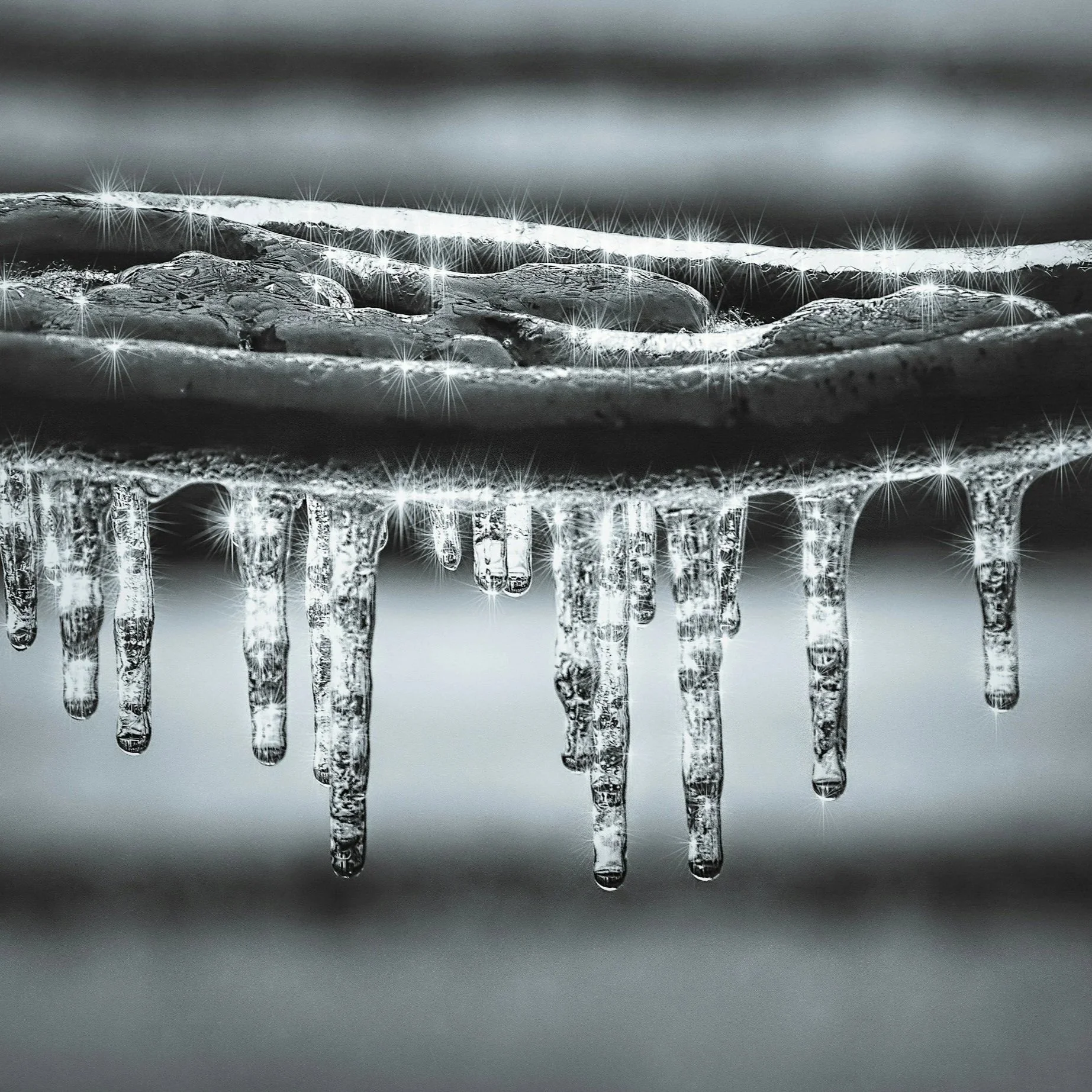
Outdoor electrical wiring takes a beating when temperatures drop below freezing. Cold snaps can make plastic conduit brittle, expose wire insulation to moisture, and test every outdoor connection with ice, snow, and wind. When homeowners depend on lights, security systems, outlets, and backup equipment year-round, outdoor circuits need to remain strong no matter what winter throws their way.
Protecting Exterior Conduit From Temperature Shock
Conduit plays a crucial role in shielding electrical wiring from the elements. As temperatures dip, PVC and other plastic materials can become rigid and crack under stress. Even metal conduit, though tougher, can expand and contract to the point of loosening at joints and brackets.
Professionals inspect every exposed conduit run for signs of strain or aging. Secure fastening, intact gaskets, and correctly sealed entry points into buildings or junction boxes matter even more in freezing conditions. Proper bend radius and expansion joints help prevent breakage where the conduit turns or stretches across long distances. Cracks may look minor, but they provide direct pathways for water to sneak in and wreak havoc.
Using Weatherproof Boxes With Gasketed Covers
Outdoor junction boxes and outlet enclosures are constantly exposed to freeze-thaw cycles. When covers aren't properly sealed or gasketed, moisture seeps in, causing corrosion or ice buildup around the terminals. That's when breakers start tripping, outlets fail, and lighting shorts out right when it's needed most.
Professionals replace aging, warped, or cracked covers with weather-resistant options rated for year-round service. Gasketed models maintain a watertight seal, even in below-zero temperatures. Bubble covers that allow cords to remain plugged in during snowstorms are especially helpful for holiday lights, heaters, or pond pumps. A solid cover may seem like a small upgrade, but it keeps water out and power flowing safely.
Evaluating Exterior Wire Insulation And UV Protection
Direct sunlight, snow accumulation, and repeated temperature changes can wear down the outer insulation of exposed wiring. Cable jackets can become brittle, split open, or discolor. In freezing weather, even a hairline crack in insulation invites trouble.
Electricians look for wiring rated for outdoor use, including types such as UF (underground feeder) and THWN (thermoplastic heat- and water-resistant nylon-coated). These materials handle cold temperatures far better than standard indoor wire. In areas exposed to sun and snow, UV-resistant jackets help preserve wire flexibility and integrity. If wiring looks faded, cracked, or stiff, it's time to replace it before the cold takes its toll.
Maintaining Grounding Rods And Connections
Proper grounding is vital for outdoor electrical systems, especially in icy or snowy conditions. Without a solid ground path, faults don't redirect properly, and equipment becomes vulnerable to voltage spikes or shock hazards.
Grounding rods can shift or loosen over time. In frozen soil, the rod's contact with the ground may weaken if it is shallow or the clamp is corroded. Electricians test the resistance and inspect the entire grounding path, including the bonding wires and clamps. A solid ground keeps electrical flow safe and stable, even during blizzards or heavy ice storms.
Installing Cold-Weather Rated Receptacles
Not all outdoor outlets are created equal. Winter brings space heaters, electric snow blowers, heated pet mats, and other outdoor tools into play. Plugging these devices into standard outlets can lead to overheating or electrical shorts.
Professionals recommend using outlets designed for cold climates and heavy-duty use. Receptacles with integrated GFCI protection and built-in heating elements are available for specialized applications. For most homes, upgrading to modern GFCI models with indicator lights and tamper-resistant features can significantly improve cold-weather reliability.
Checking Photocells, Timers, And Smart Switches
Outdoor lighting relies heavily on automation, especially during the darker months. Photocells trigger lights based on ambient light levels, while timers and smart switches control schedules to save energy and enhance security. Cold weather can reduce battery life, freeze mechanical timers, or interfere with Wi-Fi-based controls.
Electricians test automated systems for accuracy, responsiveness, and weather resistance. If a switch lags or a timer loses track of time, the issue may relate to exposure rather than internal wiring. Weatherproof enclosures and upgraded smart switches rated for exterior use help maintain consistent lighting and control all winter long.
Inspecting Holiday And Landscape Lighting Systems
Once the holiday season rolls in, outdoor outlets start working overtime. Decorative lights, inflatables, and projector displays compete with the landscape lighting already installed throughout the yard. When cold weather sets in, power strips and daisy-chained extension cords create more risk than sparkle.
Professionals examine the full layout of outdoor lighting systems, including transformer boxes, buried wiring, and connection points. Waterproof connectors and cable management strategies reduce strain on circuits and limit exposure to the elements. Temporary setups should plug into GFCI-protected circuits with weather-resistant covers, and permanent installations need wiring rated for year-round use.
Evaluating Emergency Backup Wiring
Generators and battery backup systems need to be ready to work when the grid goes down—often during freezing storms. Transfer switches, load centers, and dedicated circuits are subject to extreme strain when called into action after months of inactivity.
Cold temperatures slow chemical reactions in batteries, reduce generator oil viscosity, and make startup harder for everything electrical. Spring and fall maintenance is ideal, but a winter check-up focuses on wiring insulation, secure terminal connections, and stable grounding. A few minutes of testing can mean the difference between keeping the lights on and scrambling for flashlights.
Sealing Penetrations To Prevent Ice Intrusion
Any place where conduit or cable enters a wall, soffit, or exterior structure becomes a weak point in winter. Melting snow followed by freezing temperatures turns minor leaks into damaging ice plugs or internal moisture problems.
Professionals use high-grade silicone or cold-weather-rated sealant around all exterior penetrations. Flexible, paintable options maintain their grip even in sub-zero temperatures. Keeping moisture out at these critical points helps protect the wiring from the inside out, preserving the performance and lifespan of the entire system.
Preventing Ice Dams Near Electrical Fixtures
Homes with roof overhangs often develop ice dams—thick ridges of ice that form along the eaves and trap melting snow. When heat escapes from attic spaces, snow melts and refreezes at the edge, forming heavy ice that can damage gutters, shingles, and even hidden wiring.
Any lighting or wiring near rooflines becomes vulnerable when an ice dam creeps over it. Professionals inspect soffit lights, holiday light mounting points, and under-eave outlets for signs of exposure or impact damage. Heat tape or strategically placed de-icing cables help redirect water flow before it causes electrical issues. A proactive inspection may save both wiring and roofing materials from disaster.
Monitoring Utility Feed And Overhead Wiring
For homes with overhead electrical service, freezing rain and heavy snow can pull on power lines with surprising force. Tree limbs loaded with ice often sag or snap onto service drops. Even without a full break, stress on mastheads, drip loops, and weatherheads may cause loose connections or exposed conductors.
Professionals assess utility entry points, mast stability, and conductor tension—signs of arcing, discoloration, or fraying at the weatherhead warrant urgent attention. Although utility crews own the service line itself, homeowners are responsible for the meter box, mast, and point of attachment. Timely repairs reduce the risk of prolonged outages or electrical hazards.
Checking Barns, Sheds, And Detached Garages
Outbuildings often rely on separate circuits, underground wiring, or subpanels that receive little attention during most of the year. Freezing weather amplifies any weakness in those systems, especially when used for winter hobbies, livestock care, or storage.
Electricians check load capacity, subpanel grounding, and wire integrity for all outbuildings. If heaters or lighting systems run continuously, they need circuits rated for long-duration use. GFCI protection, conduit integrity, and correct labeling help reduce confusion and prevent trips or overloads. When these spaces matter more during winter, their wiring deserves just as much attention.
Partnering With Pros For Cold-Weather Performance
Cold temperatures do not mix well with neglected wiring. Brittle jackets, corroded terminals, and icy outlets may lie in wait until one switch flips, and everything goes dark. Electrical professionals know what to look for before issues become emergencies.
Winter inspections focus on longevity, safety, and peace of mind. With the right upgrades and maintenance, outdoor electrical systems stay functional and safe no matter how frosty the forecast. The right materials, solid connections, and a practiced eye keep the spark going even in subfreezing conditions. No shortcuts, no surprises, just dependable power through every season.
Kennedy Electric is a reliable full-service electrical company serving residential and commercial customers in Citrus, Hernando, and Pasco Counties. We offer electrical repairs, boat lift wiring, remodels, low voltage lighting, generator hookups, RV power, electrical inspections, fan installation, home lighting, new circuits, panels, and more.