

How Rodents Damage Electrical Wiring (And How To Prevent It)
Why do I keep hearing scratching in the attic at night, and why did that breaker trip again? Is something actually chewing on my house right now?
You are lying in bed in your Florida home, and you hear that faint scuffling sound above the ceiling. You tell yourself it is nothing. A few days later, a breaker trips for no clear reason. Then your lights flicker in one room, or you smell a faint burning odor near an outlet. That creeping frustration builds because you cannot see the problem, but something feels off. Rodents damaging electrical wiring is more common than most homeowners realize, and ignoring those early signs can lead to fire risk, power loss, and expensive repairs.
As an electrician who has inspected countless attics and crawl spaces, I can tell you that rodent damage to wiring is not rare. In Florida’s warm climate, rats, mice, and squirrels stay active year-round. When they move into your attic or walls, your electrical system often becomes collateral damage.
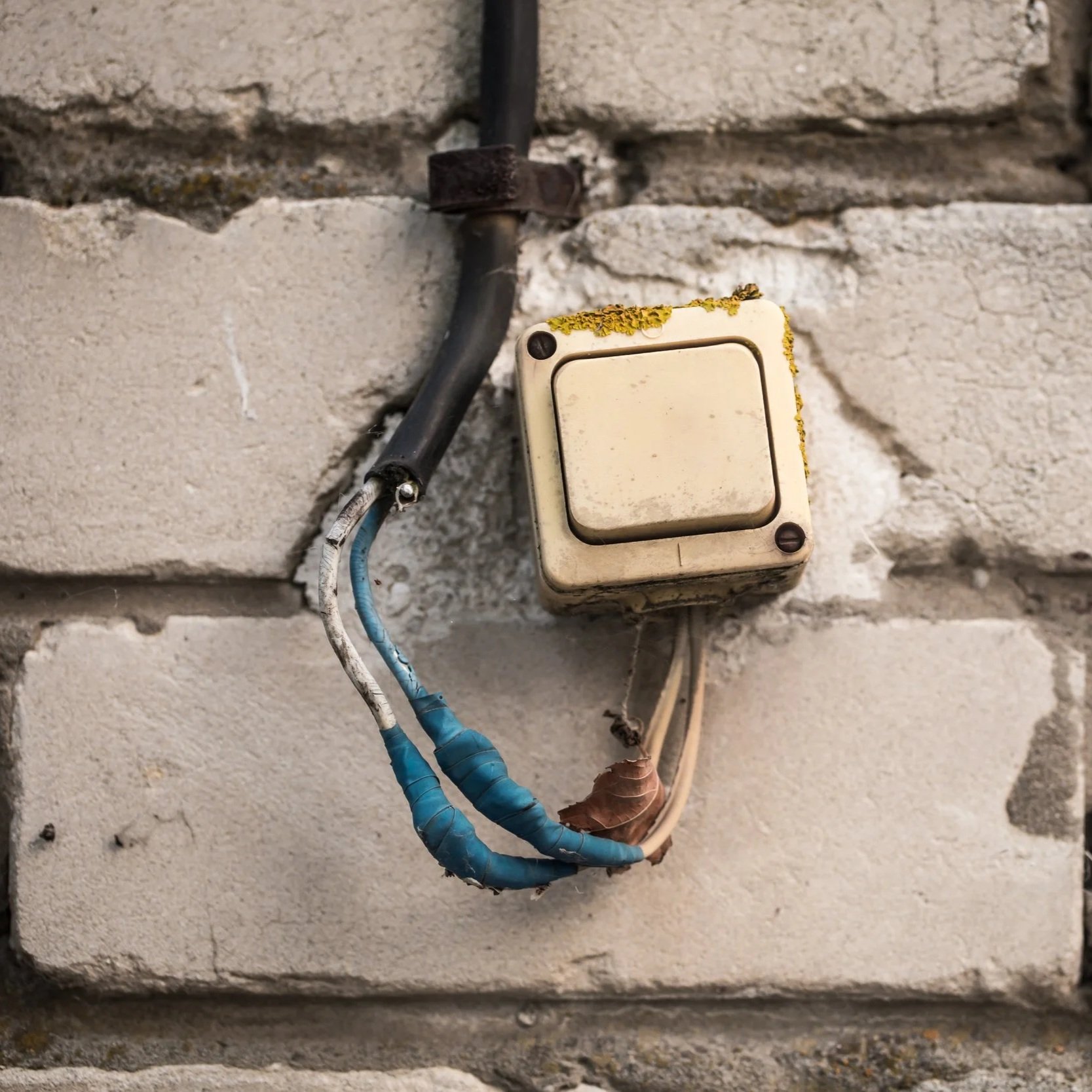
Damaged exterior wiring and junction box illustrating risks of rodent chewed insulation exposed conductors requiring professional electrical repair.
Why Rodents Chew Electrical Wiring In The First Place
Homeowners often ask, “Why would rodents chew electrical wiring at all?” It sounds almost intentional, but it is instinctual behavior. Rodents’ teeth grow continuously throughout their lives. To keep them trimmed, they gnaw on materials they encounter.
Electrical wiring insulation provides a convenient target. In many modern homes, insulation is made from plastic compounds that may even contain plant-based components. Those materials are soft enough for rodents to chew and easy to grip.
Attics in Florida offer warmth, shelter, and nesting opportunities. Once rodents establish a nest, they explore and chew as part of their normal behavior. Unfortunately, electrical cables running across attic joists or through wall cavities become easy victims. Damage is rarely confined to a single wire. Rodents may chew multiple cables in a single area.
How Rodent Damage Turns Into Electrical Problems
When rodents chew through the outer insulation of a cable, they expose the conductors inside. Those conductors carry current. Exposed copper can lead to short circuits, ground faults, or arcing.
A short circuit occurs when current flows along an unintended path, often directly between hot and neutral wires. That condition typically causes a breaker to trip. Many homeowners reset the breaker without realizing that an animal damaged the wiring.
Arcing is even more concerning. When exposed wires sit close together or contact wood framing, electricity can jump through the air between conductors. That jump creates intense heat. Over time, arcing can ignite surrounding materials. Electrical fires that begin in attics or walls often start from hidden wiring damage like this.
Signs That Rodents May Have Damaged Your Wiring
Rodent damage to electrical wiring does not always announce itself loudly. Sometimes the warning signs are subtle. You might notice flickering lights in one room while the rest of the house seems normal. A breaker might trip intermittently without a clear overload.
Burning smells near outlets or switches are serious warning signs. Even a faint odor should not be ignored. Warm or discolored outlets can also indicate damaged wiring behind the wall.
In Florida homes, attics are common entry points. If you hear scratching or scurrying noises at night, especially combined with electrical irregularities, those clues should not be dismissed. Visual signs such as droppings, nesting materials, or chewed insulation in the attic strongly suggest that wiring may be affected as well.
The Common Mistake Of Only Fixing The Pest Problem
One of the biggest homeowner mistakes involves addressing the rodents but ignoring the wiring. After calling pest control, many people assume the problem is solved. Removing the animals does not automatically repair the damage they caused.
Chewed insulation remains compromised even if the rodents are gone. Exposed conductors may sit hidden behind drywall or under attic insulation. Over time, temperature changes and vibration can shift those wires, increasing the chance of contact and arcing.
Proper resolution involves both pest removal and electrical inspection. Repairing or replacing damaged cables reduces the risk of fire. Simply sealing entry points without evaluating the electrical system leaves a hidden hazard in place.
Why Florida Homes Are Especially Vulnerable
Florida’s climate creates ideal conditions for rodent activity. Mild winters mean pests remain active year-round. Frequent storms can damage roofing or soffits, creating new entry points into attics.
High humidity also affects wiring. When insulation is already chewed, moisture exposure can accelerate corrosion on exposed conductors. Corroded connections increase resistance, and resistance generates heat.
In older Florida homes, wiring may already be aging. Rodent damage layered on top of aging insulation compounds risk. Homes with attic insulation upgrades sometimes inadvertently create cozy nesting environments that attract rodents. Understanding local conditions helps explain why rodent damage to electrical wiring is a recurring issue here.
How Electrical Fires Can Start From Chewed Wires
Electrical fires do not always start with dramatic sparks. Often, they begin with slow heating inside a concealed space. When rodents strip insulation from a cable, the conductor may rest against wood framing.
As current flows through the wire, any damaged area may experience localized heating. If arcing occurs, temperatures can rise rapidly. Wood, insulation, and attic dust provide fuel.
Because attics and wall cavities are not frequently inspected, fires can develop unnoticed until smoke becomes visible. By that point, damage may already be extensive. Addressing rodent damage to electrical wiring promptly reduces the chance of such escalation.
How To Prevent Rodents From Damaging Wiring
Prevention begins with limiting access. Sealing gaps around soffits, vents, and roof penetrations reduces entry opportunities. Metal mesh and proper vent covers deter rodents more effectively than foam alone.
Keeping tree branches trimmed away from the roofline also reduces access points. In Florida neighborhoods with heavy vegetation, overhanging limbs often serve as highways for squirrels and rats.
From an electrical standpoint, securing and properly routing cables in attics helps. Loose wiring lying directly on joists is easier for rodents to chew and move. Conduit or protective coverings in vulnerable areas can reduce exposure. While no method eliminates risk entirely, layered prevention lowers the likelihood of damage.
“Why Does My Breaker Keep Tripping In One Room?”
Homeowners frequently search, “Why does my breaker keep tripping in one room?” without considering rodents as a cause. While overloaded circuits are a common explanation, damaged wiring is another possibility.
If tripping occurs without heavy appliance use, a hidden short circuit may exist. Rodent damage can create intermittent contact between conductors. As attic temperatures change during the day, wires may expand or shift slightly, triggering sporadic faults.
Ignoring repeated breaker trips and simply resetting them increases risk. Breakers trip to protect circuits from overheating. Repeated faults indicate a condition that requires investigation. Identifying rodent-related wiring damage early prevents more serious outcomes.
The Importance Of Professional Inspection
Electrical wiring runs through concealed spaces. Diagnosing rodent damage requires careful inspection of attics, crawl spaces, and wall cavities. Visible chew marks are obvious, but hidden damage behind insulation can be missed without experience.
At Kennedy Electric, we often work alongside pest control professionals when rodent damage is suspected. After the animals are removed, we evaluate affected circuits, replace compromised cables, and test connections.
Electrical safety depends on restoring integrity to the entire circuit, not just patching visible spots. Proper repairs maintain grounding continuity and correct wire sizing. Skipping a thorough inspection leaves uncertainty in the system.
Long-Term Protection And Peace Of Mind
Rodent damage to electrical wiring is frustrating because it feels invasive. The idea that animals are chewing through your home’s infrastructure creates understandable anxiety. Beyond inconvenience, there is real risk.
Taking a proactive approach reduces that stress. Combining pest prevention measures with periodic attic inspections helps detect pests early. Addressing minor chew marks before they become full conductor exposure limits the hazard.
Electrical systems are designed to operate safely when intact. Protecting them from environmental threats, including wildlife, preserves reliability. In Florida’s climate, where pests remain active year-round, awareness and prevention are key components of home maintenance.
FAQs
Yes, rodents can cause electrical fires by chewing through wire insulation and exposing conductors. Exposed wires can short-circuit or arc, generating heat that may ignite nearby materials. Prompt inspection and repair reduce that risk significantly.
Warning signs include frequent breaker trips, flickering lights, burning smells, and visible chew marks in the attic. Hearing scratching noises combined with electrical irregularities increases suspicion. A professional inspection can confirm the extent of damage.
Removing rodents is only part of the solution. Damaged wiring must be repaired or replaced to restore safety. Ignoring compromised cables leaves a hidden fire hazard even after pests are gone.
Chewed insulation can allow conductors to contact each other or grounded surfaces, causing short circuits. Breakers trip to protect the circuit from overheating. Repeated tripping without a heavy load often signals wiring damage.
Sealing entry points, trimming trees near the roofline, and installing proper vent covers reduce access. Regular attic inspections and addressing minor issues quickly help prevent extensive damage. Combining pest control with electrical evaluation provides stronger long-term protection.
