

Why Electrical Permits Matter (and What Happens Without Them)
Why does a simple electrical project suddenly feel like a paperwork nightmare? You wanted to add an outlet or upgrade a panel, and now someone is asking about permits, inspections, and what happens if you skipped them.
Most homeowners start searching this topic after a moment of stress or second-guessing. A contractor asks who pulled the permit. An inspector flags unpermitted work during a sale. An insurance company starts asking uncomfortable questions after a problem. The situation usually hits close to home, like standing in the garage looking at a panel upgrade or staring at a new outlet, wondering if it should have gone through the city first. When electrical permits are misunderstood or ignored in Florida, homeowners often face delays, unexpected costs, failed inspections, and serious liability they never saw coming.
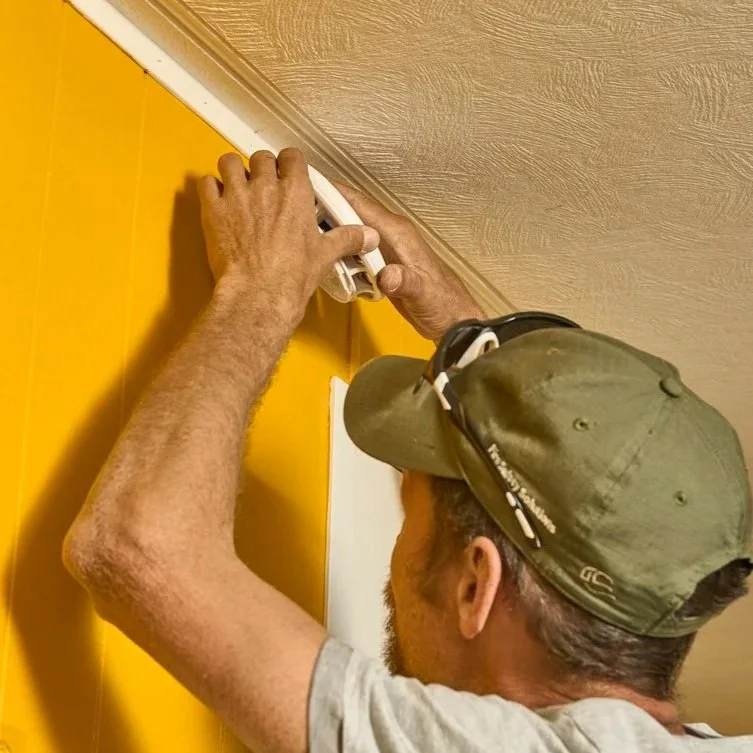
Electrician installing interior wiring conduit, supporting permitted electrical work, safe routing, and code compliant residential electrical system upgrades.
Why Electrical Permits Exist in the First Place
Electrical permits exist to protect homeowners, not to slow projects down. They create a system of checks that verify work meets safety standards before problems occur. In Florida, where heat, humidity, and storms put extra strain on electrical systems, those checks matter more than many homeowners realize. Permits trigger inspections that confirm wiring methods, load calculations, grounding, and protection are appropriate for real-world conditions, not just theory.
Homeowners often see permits as optional because electrical work can appear straightforward on the surface. Lights turn on, outlets work, breakers reset. Electrical failures rarely happen immediately. Permits exist because problems develop over time. Loose connections heat up. Undersized wiring degrades. Improper grounding increases risk during storms. The permit process is designed to catch those issues early, before they turn into fires, injuries, or costly damage. Without permits, there is no independent verification that work was done correctly, and that gap creates a risk homeowners must carry.
The Common Belief That Permits Are Only for Big Projects
A common homeowner mistake is assuming electrical permits are only required for major renovations or full rewires. That belief leads many people to skip permits for what they consider small or simple work. Adding outlets, upgrading fixtures, modifying circuits, or replacing panels often feels routine, especially when someone assures you it is no big deal.
Florida permitting rules do not focus on how small a project feels. They focus on whether the work alters electrical systems in ways that affect safety. Even modest changes can impact load, protection, or grounding. A new outlet can overload a circuit. A panel swap can affect service capacity. Permits help verify that those impacts are addressed correctly.
Skipping permits because a job seems minor often backfires later. Inspections during home sales, renovations, or insurance claims expose unpermitted work long after the project feels finished. That surprise is one of the biggest sources of homeowner frustration when it comes to electrical permits.
What Actually Happens During the Permitting Process
Many homeowners imagine the permitting process as complicated and invasive. In reality, permits create a clear framework. Plans get reviewed. Work gets inspected. Documentation gets recorded. That process protects everyone involved.
During an inspection, officials verify wiring methods, breaker sizing, grounding, protection devices, and overall compliance with current code. Inspectors are not there to nitpick. They are looking for patterns that cause real problems in Florida homes. Moisture exposure, overheating, and storm-related failures drive many of the requirements they enforce.
When permits are pulled properly, inspections catch issues early, when fixes are simple and inexpensive. That process prevents homeowners from discovering problems years later when walls are closed, and systems are stressed. Permits turn unknown risk into managed risk, which is why they matter far beyond paperwork.
What Happens When Electrical Work Is Done Without a Permit
Unpermitted electrical work creates a chain reaction that homeowners rarely anticipate. The work may function initially, which reinforces the belief that permits were unnecessary. The real consequences show up later.
During a home sale, inspectors often flag unpermitted electrical work. Buyers become nervous. Lenders hesitate. Negotiations stall. Homeowners may be required to open walls, correct work, and obtain retroactive permits under tight deadlines. That process costs more and creates stress at the worst possible time.
Insurance claims present another major risk. If damage occurs and investigations trace it back to unpermitted electrical work, coverage may be reduced or denied. Insurance companies closely examine electrical causes, especially in Florida, where fire risk is taken seriously. Without permits and inspection records, homeowners may be left paying for repairs out of pocket.
Why Unpermitted Work Creates Liability for Homeowners
Permits do more than verify safety. They create documentation. That documentation matters when responsibility is questioned. When electrical work is permitted and inspected, liability shifts appropriately. Contractors carry responsibility for their work. Inspectors verify compliance. Homeowners gain protection.
Without permits, responsibility often lands squarely on the homeowner. Even if someone else performed the work, allowing unpermitted electrical modifications exposes the property owner to liability. That includes injuries, damage, or losses connected to the work.
Florida law takes this seriously because electrical failures affect more than one household. Fires spread. Power systems interact. Permits exist to protect communities and individual homes. Skipping them removes that protection and increases homeowner exposure in ways that are easy to overlook until something goes wrong.
The Shortcut Trap That Makes Permits Feel Optional
Many homeowners skip permits because of shortcuts that feel reasonable in the moment. A contractor says it is not needed. A handyman offers a cheaper option. A friend claims permits slow everything down. The job gets done quietly and quickly.
Those shortcuts often work until the home enters a new phase. Renovation. Sale. Insurance claim. Inspection. At that point, unpermitted work stops being invisible. Homeowners feel blindsided because nothing seemed wrong before.
Shortcuts shift risk forward in time. Permits cost money and time upfront, but skipping them often costs far more later. Electrical permits exist to prevent homeowners from inheriting hidden problems that only surface under scrutiny or stress.
Why Electrical Permits Matter More in Florida Than Many States
Florida presents unique challenges for electrical systems. Heat accelerates wear. Humidity corrodes connections. Storms introduce surge and lightning risks. Electrical permits and inspections account for these realities.
Requirements for grounding, bonding, surge protection, outdoor wiring, and service capacity are stricter because failures have more severe consequences. Permits verify that systems are prepared for those conditions, not just normal operation.
Homeowners sometimes compare Florida's requirements to those of other states and feel frustrated. The difference exists because Florida homes experience different stresses. Permits are tailored to reduce risk in that environment. Ignoring them removes safeguards designed specifically for local conditions.
How Permits Affect Home Value and Marketability
Unpermitted electrical work can affect a home’s value more than homeowners expect. Buyers increasingly rely on inspections and documentation. Missing permits raise red flags, even if the work appears functional.
Lenders and insurers may require corrections before approving transactions. That places homeowners in a reactive position, often under time pressure. Fixing unpermitted work later frequently costs more than doing it properly from the start.
Homes with documented, permitted electrical work feel safer to buyers. Transparency builds trust. Permits provide proof that systems were evaluated and approved. That confidence matters in competitive markets and smooth transactions.
DIY Electrical Work and Permits Are Still Connected
Many homeowners assume DIY work avoids permit requirements. That assumption is risky. Florida allows homeowners to perform certain work on their primary residence, but permits and inspections may still be required depending on the scope.
DIY work without permits carries the same risks as contractor work. If problems arise, responsibility falls entirely on the homeowner. There is no contractor insurance or licensing protection to lean on.
Permits provide a layer of protection for DIY homeowners as well. Inspections catch mistakes before they become hazards. Documentation protects homeowners during sales and insurance claims. Skipping permits removes those safeguards.
Why Permits Help Projects Go Smoother Long Term
Permits are often blamed for delays, but they often prevent larger disruptions later. Projects with permits move forward with clear expectations. Inspectors identify issues early. Corrections happen before walls close, and systems get stressed.
Unpermitted projects feel faster initially, but often stall later when issues surface unexpectedly. Homeowners then deal with rework, delays, and added cost.
Permits create predictability. That predictability reduces stress, even if it feels inconvenient upfront. Electrical systems benefit from that structure long after the project ends.
The Role of Licensed Electricians in the Permitting Process
Licensed electricians understand permitting requirements and inspection expectations. They know how to plan work that aligns with current code and local enforcement practices.
Companies like Kennedy Electric handle permits as part of professional service because they protect homeowners. Proper permitting reduces risk, clarifies responsibility, and creates documentation that follows the home.
Working with licensed professionals shifts the burden away from homeowners. Instead of guessing what is required, homeowners gain guidance through a process designed to protect them.
What Homeowners Should Do If Work Was Done Without a Permit
Homeowners who suspect unpermitted electrical work should address it proactively. Ignoring the issue rarely makes it disappear. Evaluation by a licensed electrician helps identify risks and options.
In many cases, unpermitted work can be corrected and brought into compliance through inspection and repair. Addressing issues early reduces cost and liability.
Taking action before a sale, claim, or renovation puts homeowners back in control instead of reacting under pressure.
Living Without Worry About What Might Be Flagged
Electrical permits remove uncertainty. Homeowners know work was reviewed and approved. Projects feel finished rather than questionable.
Living with unpermitted work creates low-level anxiety, especially during inspections or upgrades. Permits replace that uncertainty with confidence.
Electrical permits are not just bureaucratic steps. They are tools that protect safety, value, and peace of mind in Florida homes.
FAQs
Many electrical projects require permits, especially when modifying circuits, panels, or adding new electrical components, though minor like-for-like replacements may be exempt.
In some cases, retroactive permits are possible, but they often require inspections and corrections, which can be more costly than permitting upfront.
Insurance claims may be denied or reduced if damage is linked to unpermitted electrical work, especially when safety standards were not verified.
Permits may add upfront steps, but they often prevent larger delays caused by failed inspections, rework, or issues discovered later.
Licensed electricians typically handle permits, but homeowners are ultimately responsible for ensuring the work on their property is properly permitted and approved.
