
What Is a Smart Electrical Panel? (Span, Leviton, etc.)
Why does the breaker panel feel like it is always one step away from causing a headache. Something trips, half the house goes dark, and nobody can explain why the electric bill keeps climbing even when nothing changed.
Walking past the garage or laundry room and hearing that faint buzz or clicking sound is usually the moment homeowners realize the electrical system is not as invisible or reliable as it was supposed to be. In many Florida homes, the electrical panel quietly struggles behind the scenes, especially when air conditioners, pool equipment, EV chargers, and modern appliances all compete for power. When homeowners put off understanding what the panel actually does or assume newer technology is just another gadget, problems tend to stack up. Rising utility bills, nuisance breaker trips, and limited room for upgrades often trace back to an outdated panel that was never designed for how homes actually use electricity today.
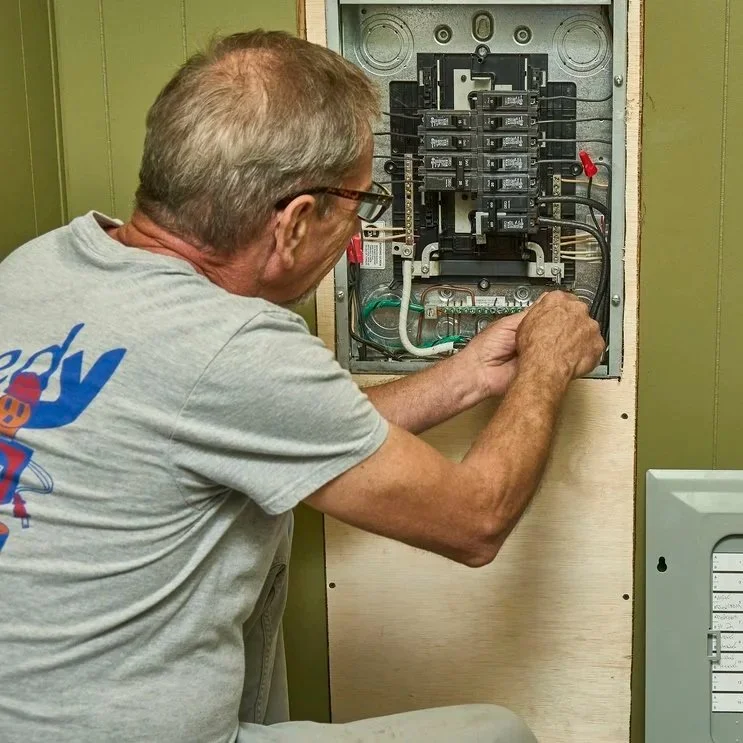
Electrician inspecting breaker panel wiring during upgrade, improving load management, energy monitoring, and electrical reliability for modern family homes.
The Old Breaker Panel Assumption That Keeps Causing Problems
Many homeowners assume the electrical panel only matters when something breaks. As long as the lights turn on and breakers reset, the panel feels like a solved problem. That assumption comes up frequently in Florida homes, especially in houses built before modern energy codes became standard. Older panels were designed for simpler living, fewer electronics, smaller HVAC systems, and no expectation of electric vehicles or battery backups.
A traditional breaker panel does one basic job. It distributes power and shuts off circuits when something draws too much electricity. That design worked fine decades ago, but it gives homeowners very little information or control. When a breaker trips, the panel cannot explain why. When energy use spikes, the panel cannot help manage it. Homeowners end up guessing, resetting breakers, and living with daily frustration rather than understanding what is actually happening inside the system.
Over time, that lack of visibility creates real consequences. Circuits run hotter than intended. Panels reach their capacity limit without obvious warning signs. New appliances get added without understanding how close the system already is to overload. In Florida, where cooling systems work overtime and seasonal demand hits hard, outdated assumptions about electrical panels often lead to nuisance outages, safety concerns, and expensive last-minute upgrades that could have been planned more intelligently.
What a Smart Electrical Panel Actually Is and Why People Misunderstand It
A smart electrical panel replaces the traditional breaker box with a digitally monitored and controllable system. Brands like Span and Leviton integrate sensors, software, and app-based controls into the panel itself. Instead of acting like a silent referee, the panel becomes an active participant in how electricity flows through the home.
Homeowners often misunderstand smart panels, which can sound like luxury upgrades or unnecessary tech. The reality is much more practical. A smart panel tracks energy usage by circuit. It allows homeowners to see which systems use the most power, when usage spikes, and how loads interact with each other. Rather than guessing why the bill jumped or which breaker feeds which room, homeowners get clear, usable information.
That misunderstanding matters because smart panels solve problems homeowners already complain about. High electric bills, frequent breaker trips, limited capacity for new upgrades, and poor backup power performance all tie back to how electricity is managed. Without smart monitoring and control, those issues stay hidden until they become emergencies. Over time, ignoring panel intelligence limits how efficiently a home can operate and how easily it can adapt to modern energy demands.
Why Florida Homes Feel the Pain First
Florida homes experience electrical stress differently than homes in milder climates. Air conditioning systems run long hours for much of the year. Pool pumps cycle daily. Dehumidifiers, smart thermostats, and backup systems add a constant electrical load. Even homes that feel average in size often pull far more power than older designs anticipated.
A traditional panel treats all of that load equally and blindly. When demand peaks, something trips or performance drops. Homeowners feel the impact when rooms lose power, AC systems shut down, or appliances refuse to run at the same time. Many homeowners chalk it up to bad luck or aging equipment without realizing the panel itself cannot prioritize or manage loads.
Smart electrical panels address that gap. They allow certain circuits to take priority while others automatically reduce load. For Florida homeowners considering EV chargers, solar integration, or battery backups, smart panels often make the difference between needing a full-service upgrade and working within existing capacity. Timing matters too. As homes age and electrical usage compounds year after year, the lack of intelligent control becomes harder to ignore.
The Common Mistake of Thinking Smart Panels Are Only About Solar
A common false belief is that smart electrical panels matter only for solar homes. While solar integration is one benefit, smart panels deliver value even without panels on the roof. Homeowners who wait until solar becomes part of the conversation often miss years of improved visibility and control.
Smart panels help homeowners understand base energy consumption, not just renewable input. Seeing which circuits run constantly, which appliances spike unexpectedly, and how usage changes throughout the day often leads to practical behavior changes and system adjustments. That insight alone can reduce frustration and wasted energy.
Ignoring smart panels because solar feels far away often leads to rushed decisions later. When homeowners finally decide to add solar, battery storage, or EV charging, the existing panel becomes the bottleneck. Upgrading under pressure costs more and limits options. Understanding panel intelligence early allows homeowners to plan upgrades logically rather than react to constraints after the fact.
Load Management Versus Guesswork
Load management sounds technical, but most homeowners already experience the consequences of not having it. Turning on the oven while the dryer runs, then watching a breaker trip, feels familiar. A traditional panel responds by shutting everything down. A smart panel responds by managing priorities.
Smart electrical panels can temporarily reduce power to non-essential circuits during peak demand. Pool equipment, EV chargers, or auxiliary systems can automatically pause while critical systems remain online. Homeowners often misunderstand this feature as complicated automation, but it operates quietly in the background.
Over time, effective load management reduces wear on electrical components, improves system stability, and prevents nuisance outages. Homes feel calmer. Power feels predictable. That difference becomes especially noticeable during Florida summers when electrical demand stays high for extended periods. Without load management, panels operate at the edge of capacity far too often.
What Happens When Panel Limitations Are Ignored Too Long
Ignoring panel limitations rarely causes immediate disaster. Instead, problems creep in gradually. Breakers trip more frequently. Homeowners avoid using multiple appliances at once. Electric bills feel unpredictable. These symptoms get normalized as part of home ownership.
As systems age, heat buildup inside panels increases. Components degrade faster. The margin for error shrinks. When a major upgrade finally becomes necessary, such as adding a heat pump or EV charger, homeowners discover the panel cannot support it safely.
Smart panels surface these issues early. Usage data reveals patterns that would otherwise remain invisible. Electricians can make informed recommendations rather than guessing based on symptoms. Long term, addressing panel intelligence before failure protects both safety and flexibility as homes evolve.
Why Cheaper Alternatives Often Create Bigger Headaches
Some homeowners try to solve electrical limitations with partial fixes. Subpanels get added. Circuits get shuffled. Breakers get swapped without addressing underlying capacity issues. These shortcuts often feel cost-effective at first, but introduce complexity and confusion.
Without centralized monitoring, multiple panels make troubleshooting harder. Homeowners lose track of what feeds what. Emergency shutoffs become unclear. Smart panels consolidate control and visibility rather than scattering it across additions.
Cheaper fixes also miss the opportunity to understand energy behavior. Without data, homeowners continue operating blindly. Over time, frustration builds as electrical systems feel increasingly unpredictable. Investing in smarter infrastructure often prevents repeated service calls and piecemeal upgrades that cost more collectively.
Living With the Panel Instead of Fighting It
Homes feel better when systems work with daily routines instead of against them. Smart electrical panels quietly adapt to how a household actually uses power. Morning routines, evening cooking, and overnight charging can coexist without conflict.
Homeowners stop worrying about what can run simultaneously. Breaker panels stop being mysterious boxes nobody wants to open. Instead of reacting to problems, homeowners gain awareness and control.
In Florida homes where energy demand stays high year-round, that shift matters. Comfort improves. Reliability improves. Planning future upgrades becomes less stressful because the electrical system communicates clearly rather than hiding limitations until something breaks.
Where Professional Guidance Fits In
Smart electrical panels still require professional evaluation and installation. Understanding which panel fits a home, how circuits should be organized, and how load priorities should be set requires experience with real homes and real usage patterns. Working with electricians who understand both traditional systems and modern panel technology helps homeowners avoid mismatches and missed opportunities.
Companies like Kennedy Electric regularly see the difference between homes that planned ahead and homes that waited until frustration forced action. That experience shapes recommendations that prioritize long-term stability rather than quick fixes.
FAQs
A smart electrical panel is an advanced breaker panel that monitors and manages electricity usage by circuit, giving homeowners visibility and control over how power flows through the home.
Smart panels can help reduce wasted energy by identifying high-use circuits and managing loads more efficiently, often leading to better energy habits and fewer surprise spikes.
Smart panels are not required, but they make integrating solar systems, battery backups, and EV chargers easier by managing electrical demand without overloading the system.
Many older homes can benefit from smart panels, though the electrical system must be evaluated to confirm compatibility and address any underlying issues before installation.
Smart panels improve safety by providing better visibility into electrical behavior, helping detect overloads and reducing the risk of hidden stress on circuits over time.
