

The Role of High-Quality Lighting in Home Aesthetics and Functionality
Good lighting turns functional rooms into beautiful ones. It draws attention to what matters, guides people through the home, and adjusts to the day's natural rhythm.
Home lighting is not just about being able to see what you are doing. It influences how people feel in a space, how color is perceived, and how design choices come to life. Lighting either flatters or flattens a home's character. When done professionally, it does both the heavy lifting and the gentle highlighting.
Think about walking into a room with soft ambient lighting, a warm glow bouncing off the walls, and subtle accents illuminating architectural details. Now picture the same space with a single overhead bulb casting shadows in every corner. One version feels like a home, the other like a storage closet.
Good lighting turns functional rooms into beautiful ones. It draws attention to what matters, guides people through the home, and adjusts to the day's natural rhythm.
Aesthetic Impact Starts With Layered Lighting
Layered lighting is the secret to visual depth. It involves combining ambient, task, and accent lighting to give each room dimension and flexibility. A living room, for example, should not rely solely on an overhead light. Soft lamps at seating height, under-cabinet lights on nearby shelves, and discreet spots that highlight art create a balanced, welcoming space.
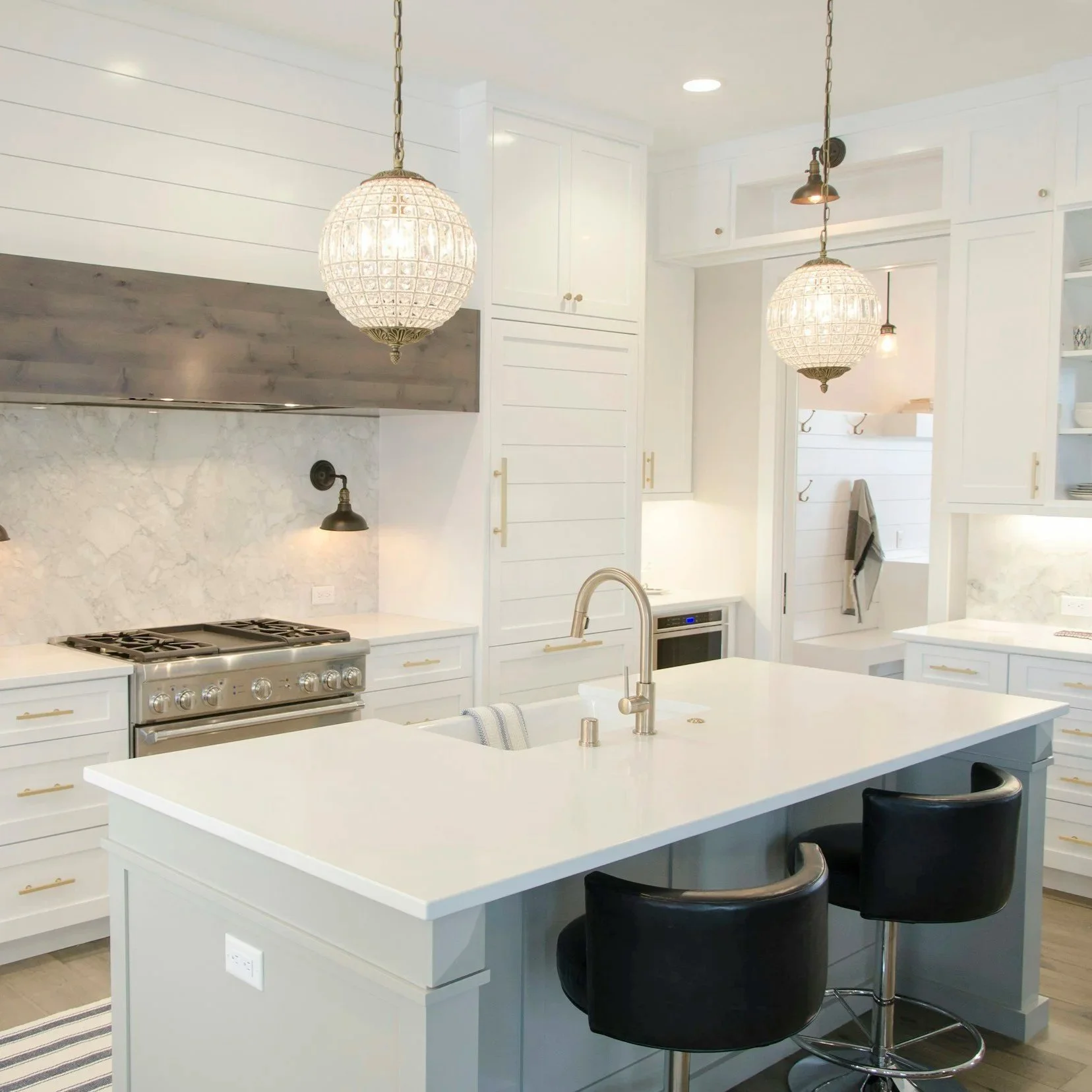
In the kitchen, layers make all the difference. Recessed lighting for overall brightness, pendant lights over the island, and under-cabinet strips for chopping and prepping turn a utilitarian room into a stylish one. Professionals know how to build these layers without overloading circuits or turning the ceiling into a patchwork of mismatched fixtures.
With the right layers in place, a room can transition smoothly from brunch to board game night to a midnight snack run. Each lighting zone contributes to comfort and functionality without sacrificing visual harmony.
Mood Lighting Is More Than a Buzzword
Every space in a home has a mood. Bedrooms lean toward cozy and calming. Bathrooms should feel clean and fresh. Home offices need to be alert and energizing without the glare. Professionals design home lighting to support these moods with the right brightness, placement, and color temperature.
Warmer light feels inviting and restful. Cooler light helps with focus and clarity. Color temperature affects everything from the appearance of paint colors to the quality of mirror reflections. A professional installation tailors these details to suit the space, not just the fixture.
Dimmer switches, tunable LEDs, and programmable scenes add flexibility. One bedroom can glow like a cabin retreat in the evening and transform into a bright dressing area by morning. Lighting becomes a tool for shifting energy and creating atmosphere.
Functionality Means Supporting Everyday Life
Lighting needs to do more than look good. It should support daily tasks without fuss. A reading chair should have focused light without casting awkward shadows. A bathroom mirror should light your face evenly without making it feel like a spotlight interrogation. Kitchens need consistent, shadow-free illumination across every prep surface.
Closets, pantries, and utility rooms deserve the same treatment. No one likes guessing between navy blue and black in a dimly lit walk-in. Good lighting in these areas saves time, improves safety, and makes the space feel finished rather than forgotten.
Professionals plan lighting around real-life use. They evaluate how people move through rooms, where natural light falls during the day, and how furniture placement affects sightlines and access. Then they wire accordingly.
Curb Appeal After Sunset
The role of lighting extends far beyond the front door. Outdoor home lighting adds beauty, safety, and function to patios, walkways, and facades. It frames the house, adds dimension to landscaping, and makes the property feel alive even after dark.
Soft, indirect lighting along pathways guides visitors safely to the door. Wall-mounted fixtures near entrances create a welcome and sense of security. Accent lighting on trees or architectural features gives the home an elegant glow. When done professionally, outdoor lighting complements the landscape without overpowering it.
A dark front yard feels uninviting. A softly lit one says someone cares about their home and pays attention to detail. That first impression matters.
Safety and Visibility Go Hand in Hand
Lighting is a key part of home safety. Brightly lit stairs help prevent trips and falls. Motion-activated flood lights can deter intruders. Illuminated hallways and bathrooms reduce the risk of nighttime accidents. Even pets benefit from lighting that helps them navigate the house at night.
From a professional standpoint, lighting design always prioritizes safety. No one wants a decorative chandelier that blinds the top step or a wall sconce that creates a blinding glare at eye level—professionals balance style and safety without compromise.
Proper fixture placement, secure wiring, and reliable switch installation reduce the risks associated with DIY shortcuts or outdated systems. Safety looks better when it is part of the plan, not an afterthought.
The Role of Smart Lighting Systems
Lighting is getting smarter, and homeowners love it. Smart bulbs and switches allow for full control over brightness, color, timing, and automation. Lights can respond to voice commands, mobile apps, or even motion detection. They can turn on slowly in the morning, follow a sunset schedule, or turn off automatically after everyone heads to bed.
Professionals install these systems with precision. They integrate smart lighting into the home's electrical system, ensuring every component works together smoothly. No dropped connections, no laggy responses, just seamless control.
Smart lighting is not just a novelty. It supports energy savings, home security, and lifestyle comfort. Plus, it comes with the joy of walking into a room, saying, "lights on," and having them listen.
Energy Efficiency Without Sacrificing Style
Modern lighting can be stunning without being wasteful. LED lighting uses less energy, produces less heat, and lasts significantly longer than traditional incandescent bulbs. That means fewer replacements, lower bills, and a reduced environmental impact.
Gone are the days of harsh, sterile LED light. Today's fixtures offer rich color ranges and soft diffusions that look and feel just like classic warm lighting. Professionals help homeowners select fixtures and bulbs that deliver the right look while using energy efficiently.
Efficient lighting design also considers placement. Instead of overlighting a room and dialing everything down, professionals use targeted light where it matters. Accent lighting draws attention without overloading the circuit. Task lighting lights only the workspace, not the whole room.
Highlighting the Home's Best Features
Every home has something worth showing off. It might be a fireplace, a dramatic piece of art, exposed beams, or even a gallery wall of family photos. Accent lighting helps bring attention to those features without overwhelming them.
Directional lights, track lighting, and wall-mounted fixtures can spotlight architectural elements or artwork. Recessed lighting can make a low ceiling feel higher. Cove lighting adds elegance without adding clutter. Professionals look for these opportunities and match lighting to design intent.
Highlighting also works in reverse. Strategic lighting can draw attention away from awkward corners or low ceilings. It creates balance and guides the eye through a room.
The Importance of a Cohesive Lighting Plan
Random lighting choices make a home feel chaotic. One ultra-modern pendant in a hallway next to a rustic chandelier in the dining room can create visual tension. A cohesive lighting plan helps the home flow from one space to the next, even if the rooms serve different functions.
Professionals think about lighting as part of the home's story. They consider finishes, materials, fixture styles, and even bulb type to maintain harmony throughout the home. A house feels more pulled together when lighting complements the overall design.
Transitions between rooms also benefit from consistency. Dim hallway sconces that match the finish of a nearby pendant help create a sense of continuity. Lighting plans should always support the architecture, not fight it.
Planning Pays Off
The best time to think about lighting is before it becomes a problem. New builds and remodels are obvious moments for a full home lighting plan, but even in finished homes, upgrades make a huge difference. Swapping a few fixtures, adding dimmers, or converting to LED can transform the home without changing a single piece of furniture.
Professionals help homeowners think ahead. Do you want to add a home office? Convert a garage into a gym? Age in place? Planning lighting around these goals saves time and money down the road.
Home lighting is more than just switching out a bulb. It shapes how a space functions, how people feel in it, and how the home expresses personality. A professional lighting design brings out the best in any space while helping every square foot shine with purpose.
Get top-quality, outlet and switch installation, home lighting, under-cabinet lighting, hot tub electrical, and exhaust fan installation for residential property owners in Citrus, Hernando, and Pasco Counties. Our team stands behind its workmanship and ensures professionalism, transparency, and constant communication. Licensed, bonded, and insured. Call today!