

The Most Common Electrical Code Violations (and How to Fix Them)
Why does a “quick electrical fix” always turn into a list of violations nobody warned you about? One inspection later, and suddenly half the work is wrong, delayed, or needs to be redone.
Most homeowners end up searching this topic after a moment of shock or frustration. A home inspection flags multiple electrical issues. Renovation stalls because the work fails inspection. A simple upgrade, like adding an outlet, turns into a conversation about code violations supposedly in place for years. The lived moment is familiar. Standing in the garage or laundry room, hearing that something is “not up to code” even though it has worked fine forever. When electrical code violations go unnoticed or misunderstood, homeowners often deal with wasted time, unexpected costs, and the sinking feeling that their house is suddenly full of hidden problems.
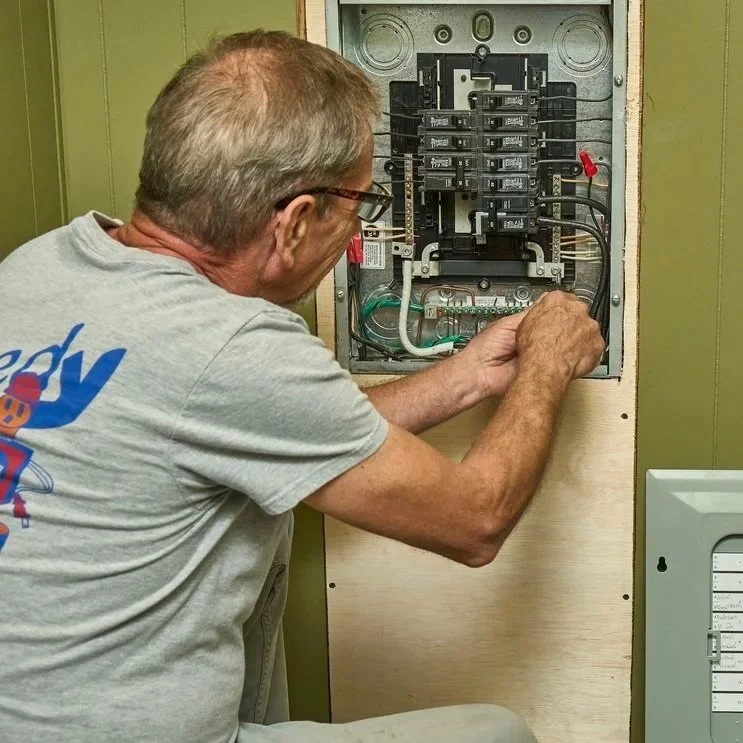
Electrician correcting breaker panel wiring to resolve electrical code violations, improving safety, organization, and reliable power distribution for homes.
Why Electrical Code Violations Are So Common in Florida Homes
Electrical code violations are not rare because homeowners are careless. They are common because homes change faster than electrical systems are updated. Florida homes, in particular, often combine older construction with newer upgrades layered on top over decades. Each era followed the rules at the time, but those rules evolved as risks became better understood.
Florida’s climate plays a major role. Heat, humidity, storms, and lightning constantly stress electrical systems. Code requirements reflect those realities, especially around grounding, outdoor wiring, and moisture protection. What once passed inspection may no longer align with modern safety expectations, especially when systems get modified.
Many violations surface during moments of transition. Buying or selling a home. Renovating a kitchen. Upgrading a panel. Inspections act like flashlights, revealing issues that were invisible during normal use. Understanding that context helps homeowners realize most violations are inherited or gradual, not sudden mistakes.
The Mistake of Assuming “It Works” Means “It’s Acceptable”
One of the most common homeowner assumptions is that if something works, it must be fine. Lights turn on. Outlets power devices. Breakers reset. From a homeowner’s perspective, that feels like proof that everything is okay.
The electrical code focuses on safety margins rather than just functionality. Wiring can carry power even when undersized, improperly protected, or installed in a way that increases risk over time. Florida inspections frequently flag systems that function today but fail to meet standards designed to prevent fires, shocks, or equipment damage tomorrow.
That misunderstanding matters because homeowners often get blindsided. A system that “worked yesterday” can still require correction when modified, inspected, or connected to new equipment. Knowing that code looks beyond basic operation helps homeowners understand why violations appear even when nothing seems broken.
Improper GFCI Protection in Wet and High-Risk Areas
Missing or incorrect GFCI protection is one of the most frequently cited electrical code violations in Florida homes. Kitchens, bathrooms, garages, laundry areas, outdoor outlets, and pool-related circuits all face increased risk due to moisture exposure.
Homeowners often misunderstand GFCI requirements because older homes may not have required them everywhere they are now expected. Adding new outlets or modifying circuits typically triggers updated protection requirements. An outlet that worked fine for years may suddenly need a GFCI device or breaker.
Ignoring GFCI protection increases shock risk, especially in Florida, where humidity and moisture are constant factors. Correcting the issue usually involves installing GFCI outlets or breakers in the appropriate locations. While it may feel inconvenient, the protection directly addresses scenarios that cause real injuries every year.
Overcrowded or Improperly Wired Electrical Panels
Electrical panels generate a significant number of violations during inspections. Overcrowded panels, double-tapped breakers, missing labeling, and outdated equipment are all common findings in Florida homes.
As homes add appliances, air conditioning upgrades, pool equipment, and smart technology, panels fill up. Homeowners or contractors sometimes squeeze additional circuits into existing breakers rather than expanding capacity properly. That shortcut often works temporarily, but violates code and increases heat buildup inside the panel.
Improper labeling also causes issues. Panels must clearly identify which circuits serve which areas. Poor labeling slows emergency response and complicates maintenance. Fixing panel violations often involves reorganizing circuits, adding subpanels, or upgrading service capacity to ensure the system can safely handle modern demand.
Missing or Incorrect Grounding and Bonding
Grounding and bonding violations are common because they are not readily visible in daily use. Florida’s electrical code places heavy emphasis on grounding due to lightning activity and storm-related surges.
Improper grounding increases the risk of equipment damage and shock during faults or surges. Missing bonding between metal components can create dangerous voltage differences that are not obvious until something goes wrong.
Homeowners often assume grounding is a one-time installation detail. Over time, changes to plumbing, panels, or wiring can break grounding paths. Fixing grounding and bonding issues usually requires a professional evaluation to restore proper connections throughout the system. These corrections protect both people and equipment, especially in Florida’s high surge environment.
Improper Outlet and Switch Placement
Outlet spacing and placement violations commonly appear during renovations or inspections. The Florida electrical code follows spacing rules designed to reduce reliance on extension cords and power strips, which increase fire risk.
Older homes may have fewer outlets than current standards expect. Adding or remodeling rooms often triggers requirements for additional outlets, proper placement near countertops, and protection where required.
Homeowners sometimes try to avoid additional work by reusing existing outlets even when layouts change. That shortcut often fails inspection. Correcting placement issues usually involves adding outlets in compliance with spacing rules and protection requirements. The result improves both safety and convenience long-term.
Unsafe Outdoor Electrical Installations
Outdoor electrical violations are especially common in Florida due to exposure to weather, moisture, and physical damage. Outlets without proper covers, incorrect conduit, or wiring not rated for outdoor use frequently get flagged.
Pool and spa wiring faces strict requirements due to increased shock risk. Improper bonding, missing protection, or incorrect distances between equipment and water create serious hazards.
Homeowners often misunderstand outdoor requirements because systems may appear functional for years. Corrosion, moisture intrusion, and UV exposure degrade materials slowly. Code requirements reflect long-term risk, not just immediate performance. Fixing outdoor violations usually involves upgrading enclosures, conduit, and protection to match environmental conditions.
DIY Work That Skips Permits or Inspections
Unpermitted DIY electrical work is one of the fastest ways violations accumulate. Homeowners may replace outlets, add fixtures, or modify wiring without realizing permits or inspections are required.
Work may function initially but fail inspection later due to incorrect wire types, missing protection, or improper connections. Inspectors regularly find well-intentioned but incomplete or unsafe DIY work.
Correcting unpermitted work often requires opening walls or redoing installations. That process frustrates homeowners who believed they saved time or money. The electrical code exists to catch mistakes early, before they create hidden hazards. Professional oversight prevents those situations from escalating.
Why Renovations Trigger So Many Violations
Renovations expose electrical systems that have not been evaluated in decades. Opening walls reveals wiring that no longer meets current standards. Adding loads increases demand on existing circuits.
The Florida electrical code requires new or modified work to meet current requirements, even if surrounding systems remain unchanged. Homeowners often underestimate the extent of electrical work involved in renovations. Kitchens and bathrooms often require updates to outlet spacing, GFCI protection, and load adjustments.
Planning renovations without factoring in the electrical code leads to delays and frustration. Addressing electrical needs early keeps projects moving and avoids surprise corrections late in the process.
How Most Code Violations Actually Get Fixed
Fixing electrical code violations rarely means tearing out entire systems. Most corrections are targeted and practical. Adding protection devices. Reorganizing panels. Updating grounding. Replacing improper components with correct ones.
The key is proper evaluation. Understanding which violations affect safety immediately versus those tied to upgrades or modifications helps prioritize work. Professional electricians identify efficient paths to compliance without unnecessary disruption.
Homeowners who approach violations as solvable problems rather than disasters experience far less stress. Code compliance becomes a process instead of a crisis.
Why Code Violations Matter Beyond Inspections
Electrical code violations impact more than inspections. They affect reliability, longevity, and daily convenience. Systems that operate outside recommended standards wear out faster and fail more often.
Correcting violations improves performance. Fewer breaker trips. Reduced equipment damage. More predictable system behavior. Code requirements shape those outcomes quietly over time.
Homes that meet code standards feel more stable. Homeowners spend less time troubleshooting and more time using their homes comfortably.
The Role of Experienced Electricians in Avoiding Violations
Navigating the Florida electrical code requires real-world experience. Inspectors interpret requirements based on conditions, not just rulebooks. Electricians who work regularly with local inspections understand expectations and common pitfalls.
Companies like Kennedy Electric see recurring violation patterns across Florida homes. That experience helps homeowners address issues proactively rather than react after failed inspections.
Professional guidance turns code from a barrier into a roadmap. Violations get corrected efficiently, and future problems get avoided before they start.
Living in a Home Without Constant Electrical Surprises
Homes free from common electrical code violations feel calmer. Projects move forward smoothly. Inspections become predictable. Homeowners stop worrying about what might get flagged next.
Understanding the most common electrical code violations gives homeowners control. Instead of being surprised, they recognize warning signs early and plan accordingly.
Electrical code works best when homeowners see it as protection rather than punishment. When systems meet code, they quietly support daily life rather than create stress.
FAQs
Missing or incorrect GFCI protection is one of the most frequently cited violations, especially in kitchens, bathrooms, garages, and outdoor areas.
Violations do not automatically stop a sale, but they can affect negotiations, insurance requirements, or lender approvals, depending on severity.
Many electrical projects require permits and inspections, especially when modifying circuits, panels, or adding new outlets or fixtures.
Costs vary depending on the issue, but many common violations can be corrected with targeted updates rather than full system replacements.
Older homes can meet current standards in modified areas, but they are often grandfathered elsewhere unless additional work triggers updates.
