

The Best Grow Lights for Indoor Plants: An Electrician's Guide
Why do the plants somehow look worse inside than they ever did outside? You move them closer to windows, buy another bulb that promised miracles, and still end up staring at yellowing leaves and limp growth while the electric bill quietly creeps up.
That irritation usually sets in after realizing the plants are getting daily attention, but nothing is improving. Homeowners often blame themselves or assume indoor plants are just difficult, when the real problem is lighting that never fits the plants, the space, or the home’s electrical system to begin with.
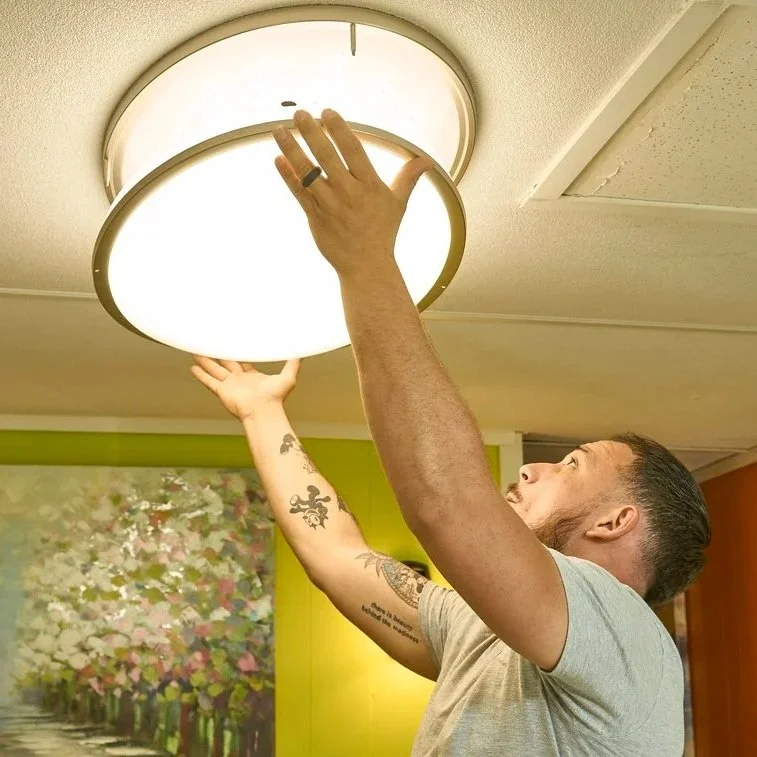
Modern LED grow lighting installation supports healthy indoor plants while maintaining energy efficiency and comfortable residential lighting environments.
Why Homeowners Keep Searching “Best Grow Lights For Indoor Plants”
The best grow lights for indoor plants are not a casual search. It usually comes after watching plants slowly decline despite watering schedules, fertilizer, and plenty of care. Homeowners want a fix that works, not another decorative bulb that looks good but delivers the same disappointing results. Indoor growing feels like it should be simple, yet results often say otherwise.
Florida homes add another layer of confusion. Bright sunshine outside gives the impression that natural light should be enough, but roof overhangs, window tinting, interior layouts, and shaded patios block usable light where plants actually sit. Many homes have ample daylight in hallways and entryways, but not where plants live. That mismatch leads homeowners to underestimate the amount of artificial lighting plants truly need.
Confusion grows when product descriptions lean heavily on technical language. Spectrum charts, wattage equivalents, and efficiency claims overwhelm people who want healthy plants. Most guides ignore how grow lights interact with real electrical systems, daily routines, and living spaces. Viewing grow lights through an electrician’s lens helps bridge that gap and turns trial and error into informed decisions.
What Grow Lights Actually Do And Why Regular Bulbs Fall Short
Grow lights provide specific wavelengths that plants use for photosynthesis. Regular household bulbs focus on human comfort and visibility, not plant biology. That difference explains why plants may survive under standard lighting but rarely thrive.
Plants rely heavily on blue and red light. Blue light supports leafy growth and structure, while red light supports flowering and fruiting. Many homeowners misunderstand brightness and assume a bright room equals enough light for plants. Brightness measured for human eyes does not reflect the amount of usable energy plants receive.
Using the wrong bulb causes slow growth, stretched stems, pale leaves, and general weakness. Over time, plants become stressed and vulnerable to pests or disease. Homeowners often replace plants repeatedly, thinking care habits are the issue, when lighting quality was the limiting factor all along. Correct lighting addresses the root problem instead of masking it.
The Common Mistake Of Buying The Brightest Light Available
A common homeowner mistake is buying the most powerful grow light available without considering plant type, room size, or electrical load. More power feels like a safer choice, but excessive light creates its own problems.
High-output grow lights draw more electricity and generate more heat. In Florida, homes, that extra heat raises room temperatures and strains air conditioning systems. Homeowners may notice rooms feeling warmer or bills increasing while plant growth remains inconsistent.
Plants can also suffer from excessive intensity. Leaves may bleach, curl, or burn when light is too strong or poorly positioned. Matching light output to plant needs and room conditions delivers better results than overwhelming plants with raw power. Balanced lighting supports steady growth without turning plant care into an energy drain.
Why Full-Spectrum Grow Lights Get Misunderstood
'What does full-spectrum grow light mean' is a common search phrase because packaging makes the term sound definitive. Full spectrum typically means the light mimics natural sunlight across a wide range of wavelengths, but not all full spectrum lights perform the same.
Homeowners often assume full spectrum automatically means best. In practice, quality varies widely. Some full-spectrum lights focus more on appearance than plant performance, while others balance plant needs with comfortable indoor lighting. Poor-quality lighting may flicker, hum, or cast harsh tones, disrupting living spaces.
That misunderstanding matters because grow lights often stay on for long periods in occupied rooms. Lighting that feels unpleasant quickly becomes a daily annoyance. Choosing fixtures designed for residential use supports both plant health and home comfort without making rooms feel clinical or awkward.
LED Grow Lights Versus Older Lighting Options
LED grow lights dominate modern indoor growing for good reason. They use less energy, produce less heat, and last far longer than older lighting technologies. Homeowners switching to LEDs often notice healthier growth and lower operating costs almost immediately.
Fluorescent lights still appear in older advice because they were once affordable and accessible. They work well with seedlings and low-light plants but struggle with mature or light-hungry species. Over time, frequent bulb replacements and lower efficiency erase initial savings.
High-intensity discharge lights deliver strong output but generate significant heat and electrical demand. Those systems suit commercial environments better than residential homes in Florida. LEDs strike a balance between performance, efficiency, and livability that aligns with modern household electrical systems.
Why Placement Matters More Than Most People Expect
How far should grow lights be from plants is one of the most searched questions among indoor growers. Placement determines how much usable light actually reaches leaves. Distance matters as much as output.
Lights placed too far away lose intensity rapidly, leading to weak growth and stretching. Lights placed too close cause heat stress and leaf damage. Homeowners often compromise placement for aesthetics or convenience, which quietly undermines effectiveness.
Adjustable mounts and consistent positioning make a major difference. Proper placement supports even growth and reduces the constant need to move lights or plants. Over time, stable setups turn plant care into a routine rather than a daily adjustment project.
Electrical Considerations Homeowners Rarely Think About
Grow lights often run for many hours each day. That continuous use affects circuits and outlets differently than occasional appliances. Homeowners frequently underestimate the load multiple lights place on existing wiring.
Florida homes already carry heavy electrical demand from air conditioning, dehumidifiers, and kitchen appliances. Adding grow lights to shared outlets increases the risk of nuisance breaker trips or warm receptacles. People often blame the lights themselves without realizing that distribution is the real issue.
Proper outlet use, quality timers, and thoughtful load placement reduce stress on the system. Treating grow lights as long-term electrical loads rather than temporary gadgets prevents inconvenience and safety concerns from developing later.
Why Timers Matter For Both Plants And People
Plants rely on consistent light cycles to regulate growth. Timers provide a steady schedule that mimics natural day-and-night patterns. Homeowners who rely on memory often forget to turn lights on or off, creating irregular exposure that slows growth.
Timers also prevent wasted energy. Accidentally leaving lights on overnight or during daylight hours increases bills and room temperature without benefit. Over time, those small oversights add up.
Modern timers integrate easily with LED grow lights and household outlets. Using them turns grow lighting into a background system rather than a daily chore. That reliability supports healthier plants and less homeowner frustration.
The Shortcut Of Using Decorative Fixtures As Grow Lights
Many homeowners try to blend style and function by using decorative fixtures with grow bulbs. While appealing, that shortcut often limits performance. Decorative fixtures restrict airflow, trap heat, or block light direction.
Plants respond best to direct, unobstructed light. Fixtures designed for ambiance prioritize appearance over output. Over time, plants decline while homeowners question the quality of expensive bulbs.
Dedicated grow fixtures direct light efficiently and manage heat properly. Choosing purpose-built equipment avoids repeated disappointment and wasted spending on replacements that never solve the problem.
Why Florida Homes Pose Unique Challenges For Grow Lighting
Florida humidity affects electronics as much as plants. Poor-quality grow lights corrode faster in humid conditions, leading to flickering, buzzing, or early failure. Kitchens, sunrooms, and enclosed patios amplify these effects.
Heat buildup also matters. Lights running in warm rooms add to cooling demand. Efficient LEDs help reduce that impact compared to older lighting types.
Selecting fixtures rated for indoor residential use improves longevity. Ignoring environmental conditions shortens lifespan and increases maintenance issues that frustrate homeowners over time.
How Electricians See Grow Light Problems In Real Homes
Kennedy Electric frequently encounters grow light setups that evolved without planning. Extension cords, overloaded power strips, and mismatched fixtures are common in homes where indoor growing has expanded gradually. Homeowners often underestimate the differences between continuous loads and short-term appliance use. Over time, outlets loosen, breakers trip, and daily inconvenience replaces enjoyment. Correcting these setups early improves reliability and safety. Proper planning makes grow lighting blend into daily life rather than compete with it.
Balancing Plant Needs With Daily Living Spaces
Indoor plants should improve a home, not create clutter or discomfort. Grow lights that glare, hum, or dominate a room quickly become a source of frustration. Homeowners often remove plants altogether rather than live with awkward lighting setups.
Thoughtful placement, appropriate output, and quiet operation allow plants to thrive without disrupting daily routines. Rooms remain comfortable while greenery adds visual and emotional value.
Balancing plant needs with livable lighting turns indoor growing into a sustainable hobby instead of a constant compromise. When lighting works quietly in the background, homeowners stop fighting the setup and start enjoying the results.
FAQs
LED grow lights with moderate output and full-spectrum coverage work well for most houseplants. They balance efficiency, plant performance, and comfortable indoor use.
Grow lights add some cost, but efficient LEDs minimize impact. Proper sizing, placement, and timers prevent unnecessary energy use.
Grow lights can stress circuits if multiple fixtures run continuously on shared outlets. Proper distribution and planning prevent electrical issues.
Most plants respond well to consistent daily cycles of eight to twelve hours, depending on the species. Timers help maintain regular schedules.
Grow lights rated for indoor residential use are better at handling humidity. Poor-quality fixtures may corrode or fail prematurely in humid environments.
