Space Heater Safety: What Florida Homeowners Need to Know
Why is it always freezing in one room and sweltering everywhere else, and why does that little space heater feel like the only thing keeping you sane? You drag it out, plug it in, and hope it does not trip the breaker again or make the room smell faintly like hot dust.
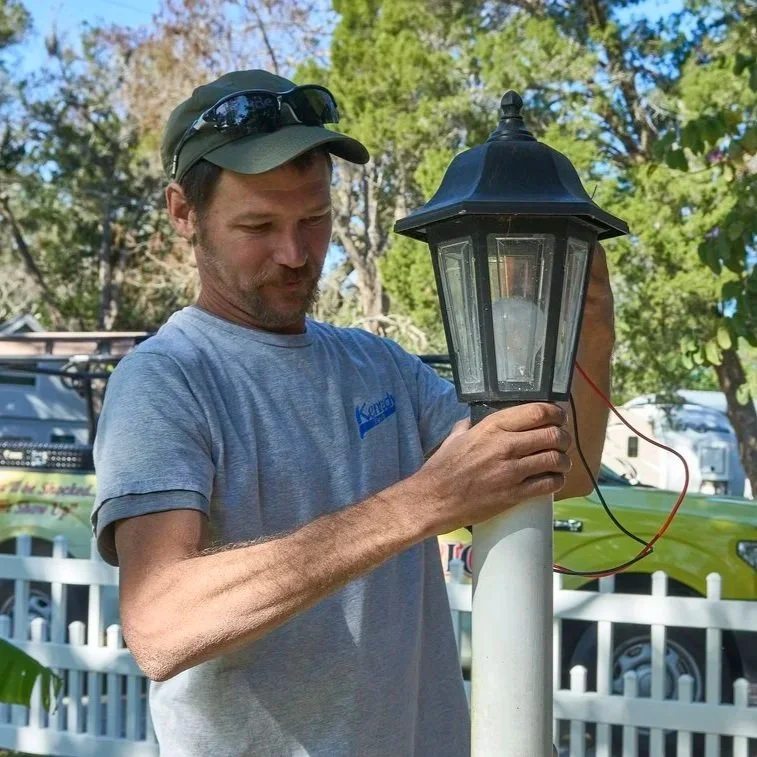
Outdoor electrical work highlights how seasonal heating devices and added loads affect residential wiring, outlets, and overall electrical system safety.
Why Florida Homes Reach For Space Heaters More Than People Admit
Florida homeowners often assume space heaters are a northern problem, yet plenty of homes across the state rely on them every winter. Cold snaps hit fast, houses cool unevenly, and central systems rarely warm every room the same way. One bedroom feels fine while another turns into an icebox at night. That uneven comfort leads homeowners to search phrases like “is it safe to use a space heater in Florida” because the need feels real, even if winter is short.
What many homeowners miss is how quickly space heaters change the electrical demand inside a house. Florida homes already deal with high humidity, aging wiring, and electrical systems designed around cooling rather than heating. Plugging in a heater adds a steady, high-draw load that circuits may not handle well. The result often shows up as tripped breakers, dimming lights, or rising frustration when comfort comes at the cost of constant electrical issues.
The Common Assumption That Small Heaters Mean Small Risk
A widespread belief among homeowners is that small appliances equal small danger. Space heaters look harmless compared to large systems, so people assume risks stay low. Many search “are space heaters dangerous” only after experiencing a scare or noticing cords heating up. Size creates a false sense of security, leading to casual placement and daily use without much thought.
Space heaters draw significant power for long periods. Unlike devices that cycle on and off, heaters often run continuously. That constant demand stresses outlets, cords, and circuits. Over time, connections loosen, and insulation wears down. Ignoring those effects leads to electrical damage that remains hidden until something fails during use, often when the heater is running overnight or while no one is paying attention.
Why Florida Electrical Systems React Differently To Space Heaters
Florida electrical systems operate under conditions different from those in homes built for cold climates. High humidity can degrade insulation on wiring and outlet contacts, making them more prone to heat buildup. When homeowners search “why does my outlet get hot with a space heater,” humidity often plays a role alongside electrical load.
Many Florida homes also rely on older branch circuits that were never meant to support portable heating devices. Bedrooms and living rooms often share circuits with lighting or other outlets. Adding a heater pushes those circuits beyond comfortable limits. Over time, repeated stress weakens breakers and outlets, increasing the likelihood of nuisance tripping or failure when heaters are used again.
Extension Cords And Space Heaters Are A Risky Combination
One of the most common space heater mistakes involves extension cords. Homeowners use them because outlets never seem close enough to where warmth is needed. Searches like “can I use an extension cord with a space heater” come up every winter. The answer often surprises people who assumed any cord would work fine.
Extension cords are not designed for high-wattage appliances. They heat up quickly, especially when coiled or tucked under furniture. Florida heat and humidity accelerate cord breakdown. Over time, cords lose flexibility, internal wires loosen, and resistance increases. That resistance creates heat, raising fire risk even when everything looks normal from the outside.
The Problem With Plugging Space Heaters Into Older Outlets
Older outlets struggle with modern heating devices more than homeowners realize. Many Florida homes still have outlets installed decades ago. Parents and renters search “outlet feels loose with space heater” because heaters often reveal wear that daily use never exposed.
Loose outlets allow arcing, which produces heat behind the wall. That heat damages wiring insulation gradually. Space heaters amplify the problem by pulling steady current through compromised connections. Over time, outlets discolor, crack, or fail. These failures often happen suddenly, leaving homeowners without heat and facing unexpected repairs.
Why Do Breakers Trip More Often When Space Heaters Run
Breakers exist to protect wiring, yet homeowners often see tripping as an inconvenience rather than a warning. Searches like “why does my breaker trip when I turn on a space heater” spike during cold weeks. Tripping usually means the circuit cannot safely handle the load.
Repeated tripping weakens breakers over time. A breaker that trips often becomes less reliable at responding correctly. Eventually, it may trip too easily or not fast enough. That unpredictability increases risk and frustration. Understanding that tripping signals system stress helps homeowners take warnings seriously instead of resetting and moving on.
Placement Mistakes That Increase Fire And Electrical Risk
Where a space heater sits matters as much as how it is powered. Homeowners often place heaters near beds, curtains, or furniture for comfort. Searches like “how close can a space heater be to furniture” reflect uncertainty about safe placement.
Heaters need airflow to dissipate heat. When blocked, surfaces heat unevenly and internal components overheat. Florida homes often use space heaters overnight, increasing risk when supervision drops. Over time, poor placement damages the heater itself and nearby outlets, creating compounded hazards that extend beyond a single winter season.
Why Space Heaters Stress Panels and Wiring Over Time
Electrical panels respond to cumulative load, not just individual devices. When space heaters run daily, panels work harder balancing circuits. Homeowners search “can a space heater damage my electrical system” after noticing new issues that did not exist before.
Continuous heater use accelerates wear on breakers, bus bars, and wiring. Florida panels already manage heavy cooling loads most of the year. Adding heating stress during winter creates year-round strain. Over time, that wear leads to unreliable performance and increased maintenance needs that homeowners often did not expect from a temporary solution.
The False Comfort Of Built-In Safety Features
Modern space heaters advertise automatic shutoffs and tip-over protection. While helpful, these features do not eliminate electrical risk. Homeowners search “are newer space heaters safer” and assume newer equals worry-free.
Safety features protect against specific scenarios, not electrical overload or wiring failure. Heaters still draw high current and rely on household wiring to deliver it safely. Overreliance on built-in protections encourages longer use and less caution. Over time, electrical systems bear the consequences rather than the heater itself.
Why Bedrooms Become The Most Common Problem Area
Bedrooms see heavy use of space heaters because they cool faster at night. Homeowners ask, “Is it safe to run a space heater in a bedroom?” because comfort matters during sleep. Bedrooms often share circuits with lights and outlets.
Nighttime use adds risk because issues go unnoticed longer. Warm cords, loose plugs, or tripped breakers may not get immediate attention. Over months, nightly heater use accelerates outlet wear and wiring stress, leading to failures that disrupt routines and raise safety concerns.
Florida Timing Makes Space Heater Use Feel Necessary
Florida cold snaps arrive suddenly and leave just as fast. That unpredictability makes permanent heating upgrades feel unnecessary. Homeowners search “do I really need to worry about space heaters in Florida” because usage feels temporary.
Short-term use still creates long-term effects. Electrical wear does not reset when temperatures rise. Each season adds stress that compounds quietly. Understanding timing helps homeowners recognize why small seasonal habits can lead to lasting electrical consequences.
When Professional Insight Helps Clarify Real Risk
Electricians see space heater damage that homeowners never connect to the heater itself. Kennedy Electric works with Florida homeowners who experience recurring outlet failures, panel issues, and unexplained tripping after winters of heater use.
Experience helps identify patterns tied to portable heating habits. Recognizing those patterns allows homeowners to adjust use and understand limits without guessing. Knowledge reduces frustration and helps families feel safer during cold spells.
FAQs
Space heaters can be used cautiously, but Florida homes often have wiring and outlets that struggle with sustained heater loads. Safe use depends on circuit capacity, outlet condition, and proper placement.
Warm outlets indicate high current flow through aging or loose connections. Heat buildup signals stress that can worsen over time and should not be ignored.
Overnight use increases risk because issues may go unnoticed. Continuous operation stresses outlets and wiring, especially in bedrooms with shared circuits.
Newer heaters include safety features, but they still draw high power. Electrical risks remain if circuits, outlets, or cords are not suited for the load.
Power strips are not designed for high-wattage appliances. Using them with space heaters increases heat buildup and electrical risk significantly.
