

Recessed Lighting Guide: Benefits, Cost, and Installation Tips
Why does the house still feel dark even after you flip on every light in the room? You stand there squinting at shadows on the walls, annoyed that the space feels dated, cramped, or weirdly gloomy, no matter how many lamps you add.
That frustration usually shows up at night when the room should feel relaxing, but instead feels unfinished, uneven, or hard to use. Homeowners often delay addressing lighting because it feels cosmetic, but poor lighting quietly affects daily comfort, eye strain, mood, and even how usable a space feels, especially in Florida homes where bright daylight disappears quickly once the sun goes down.
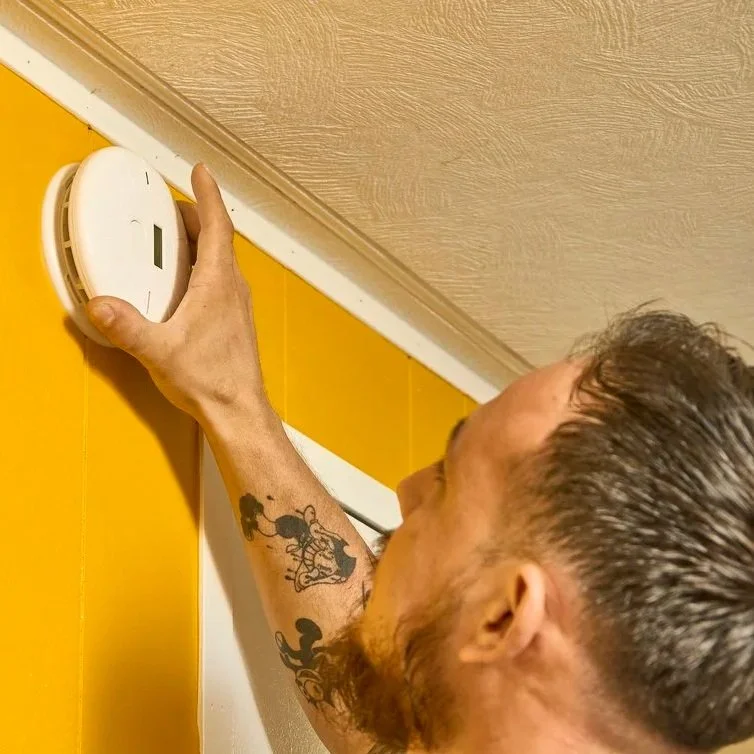
Electrician installing recessed ceiling lighting demonstrates modern home lighting upgrades that improve brightness, efficiency, and overall interior design functionality.
Why So Many Homeowners Search “Is Recessed Lighting Worth It?”
Is recessed lighting worth it, is one of the most common questions homeowners ask when they feel stuck between wanting a cleaner look and worrying about cost or disruption. Many people assume recessed lighting is purely a design upgrade meant for high-end remodels or new construction. That assumption leads to hesitation, even when existing lighting makes a space harder to live in.
Recessed lighting solves several practical problems at once. It removes bulky fixtures that hang into the room, spreads light more evenly, and reduces dark corners that make rooms feel smaller. In Florida homes with lower ceilings, open layouts, or multi-use rooms, recessed fixtures help create a brighter space without adding visual clutter. Homeowners often notice how much calmer and more functional a room feels when light comes from above rather than a single central fixture.
The misunderstanding stems from treating recessed lighting as decorative rather than functional. When installed correctly, it improves task lighting, general lighting, and flow between spaces. Over time, homeowners who avoid upgrading lighting often compensate by adding lamps, floor lights, and mismatched fixtures that eat up outlets and floor space. Recessed lighting simplifies all of that into a cleaner, more efficient solution.
What Recessed Lighting Actually Is And Why People Get It Wrong
Recessed lighting consists of fixtures installed inside the ceiling so the light source sits flush or nearly flush with the surface. Instead of hanging down, the fixture directs light outward and downward in a controlled spread. Many homeowners think recessed lights are small spotlights that create harsh pools of light, which keeps them from considering the option.
That outdated belief comes from older installations that used incorrect spacing, improper bulb types, or poor layout planning. Modern recessed lighting uses LED technology with adjustable color temperatures, wider beam angles, and dimming capability. When planned correctly, recessed lighting creates even illumination without the harsh contrast people associate with early versions.
Misunderstanding how recessed lighting works leads homeowners to install too few fixtures or place them incorrectly. That results in uneven lighting that feels worse than before. Over time, those mistakes make people think recessed lighting was a bad idea, when the real issue was planning and installation. Proper layout considers ceiling height, room size, furniture placement, and how the space is actually used throughout the day.
Why Recessed Lighting Works Especially Well In Florida Homes
Florida homes present unique lighting challenges that recessed lighting handles well. Bright daylight pours in during certain hours, while evenings can feel abruptly dark. Open floor plans mean one poorly lit area affects the entire space. Ceiling fans, another Florida staple, limit fixture choices and often interfere with hanging lights.
Recessed lighting avoids conflicts with ceiling fans and keeps airflow unobstructed. In rooms with lower ceilings, it prevents the space from feeling crowded. In kitchens and living areas, it supports layered lighting that adapts from daytime brightness to evening comfort without relying on multiple mismatched fixtures.
Humidity also plays a role. Enclosed fixtures and exposed bulbs can trap moisture over time, especially in bathrooms and kitchens. Modern recessed fixtures rated for damp locations better withstand these conditions and last longer. Homeowners often overlook how environmental factors affect lighting longevity, but Florida conditions make fixture selection and installation details matter more than expected.
The Real Benefits Homeowners Notice After Installation
Homeowners usually expect recessed lighting to look better. What surprises them is how much easier daily life becomes. Rooms feel brighter without glare. Shadows disappear from work surfaces. Walking through the house at night feels more comfortable instead of dim and uneven.
Another benefit involves flexibility. Recessed lighting works well with dimmers, allowing homeowners to adjust brightness based on time of day or activity. A living room can feel bright and functional during the day and soft and relaxed at night without switching lamps or fixtures. Over time, that flexibility reduces eye strain and improves how spaces get used.
Energy efficiency also improves. LED recessed lights use far less energy than older fixtures and generate less heat, which matters in Florida, where excess heat affects cooling costs. Homeowners often notice lower energy use for lighting and less strain on air conditioning systems, even if that was not their primary motivation for upgrading.
Why “Just Swapping Fixtures” Is A Common Mistake
Many homeowners assume recessed lighting is a simple swap for existing fixtures. That shortcut leads to poor results and unnecessary frustration. Recessed lighting requires planning that considers ceiling structure, wiring access, insulation type, and spacing. Skipping that step creates uneven lighting or limits future flexibility.
A common mistake involves installing too few lights to save money. The room ends up with dark zones that feel worse than before, pushing homeowners back toward lamps and add-ons. Another mistake is choosing the wrong color temperature, which can make rooms feel harsh or unnatural. These issues do not show up in the box or showroom. They appear after installation when the room feels off.
Over time, homeowners who take shortcuts often pay twice. They either live with lighting they dislike or hire someone to redo the layout. Correct planning from the start balances fixture count, placement, and light quality so the space works long term rather than just looking updated on day one.
How Much Recessed Lighting Actually Costs And Why Prices Vary
How much does recessed lighting cost, is usually the first question homeowners ask, and the answer depends on several factors that are often overlooked. Costs vary based on the number of fixtures, ceiling access, wiring complexity, and whether the home already has suitable electrical infrastructure.
Homes with accessible attic space typically cost less because wiring runs more easily. Finished ceilings, concrete structures, or limited access increase labor time. Fixture quality also matters. Higher quality LED fixtures cost more upfront but last longer, perform better, and reduce replacement headaches.
Homeowners sometimes compare recessed lighting costs to basic fixture swaps and feel sticker shock. That comparison misses the difference between replacing a visible fixture and adding built-in lighting infrastructure. Over time, recessed lighting often replaces multiple lamps and fixtures, reducing clutter and outlet use. When viewed as a long-term upgrade rather than a cosmetic swap, the value becomes clearer.
What Installation Actually Involves Behind The Ceiling
How recessed lighting is installed is another area where assumptions cause hesitation. Many homeowners imagine massive drywall damage and weeks of disruption. In reality, experienced electricians plan installations to minimize impact, especially in existing homes.
Installation involves mapping fixture locations, cutting precise openings, running wiring safely, and securing fixtures properly. Insulation ratings matter, especially in Florida attics where heat buildup is common. Incorrectly rated fixtures can create safety issues or energy loss over time.
Good installation also accounts for future flexibility. Dimmers, smart controls, and zoning options allow homeowners to adapt lighting as needs change. Rushing installation without considering these factors limits options later. Taking time to do it right results in lighting that feels intentional rather than patched together.
Why Older Homes Need Extra Attention With Recessed Lighting
Older Florida homes often present unique challenges. Wiring may not support modern loads. Ceiling structures vary. Insulation types differ from those in newer construction. Assuming recessed lighting installs the same way everywhere leads to surprises.
In some homes, circuits need upgrading to handle additional fixtures safely. In others, insulation clearance requirements affect fixture choice. These details matter because ignoring them can lead to long-term problems such as overheating or nuisance breaker trips.
Homeowners sometimes choose cheaper fixtures or installers who skip these considerations. The lighting works initially, then issues appear months or years later. Proper evaluation prevents those problems and protects the home’s electrical system as a whole.
Why Recessed Lighting Changes How A Home Feels Over Time
Lighting affects more than appearance. It influences mood, comfort, and how spaces get used. Recessed lighting creates a consistent baseline, making rooms feel intentional rather than patched together. Over time, homeowners often stop thinking about lighting altogether because it simply works.
Poor lighting creates daily friction. People avoid certain rooms at night. Tasks feel harder. Spaces feel smaller. Addressing lighting removes those irritations quietly. The home feels easier to live in without a dramatic before-and-after moment.
Kennedy Electric often hears homeowners say they wish they had upgraded lighting sooner. The improvement feels subtle day to day but adds up to a more comfortable, functional home that supports how people actually live.
FAQs
Recessed lighting can be adjusted with spacing, beam spread, and dimmers to suit living rooms comfortably. Proper planning prevents harsh lighting and allows flexibility for different activities.
Recessed lighting can be added to existing homes without major remodeling when planned correctly. Access, ceiling type, and wiring conditions influence the process.
Recessed lighting often improves perceived value by modernizing spaces and improving functionality. Buyers notice good lighting even if they cannot immediately explain why a home feels better.
Warm to neutral color temperatures work best for living spaces, while cooler tones suit task areas like kitchens. Choosing the wrong temperature can make rooms feel uncomfortable.
Fixture count depends on room size, ceiling height, and use. Installing too few lights is a common mistake that leads to uneven lighting and disappointment.
