

Post-Hurricane Electrical Safety: Steps to Take After Flooding
Why does flipping a light switch suddenly feel like a bad idea after the storm passes? The water is gone, but the house feels unpredictable, like one wrong move could make things worse.
Most homeowners start searching for post-hurricane electrical safety after the noise dies down and the cleanup begins. Furniture gets dragged outside, drywall gets pulled, and fans run nonstop, yet something still feels off. Outlets look fine, but do not feel safe. Breakers act strange. The house smells damp in a way that does not fully go away. In Florida, where hurricanes and flooding are part of life, electrical damage is often the most stressful and misunderstood aftermath. Delaying the right steps leads to lingering frustration, repeated repairs, and the uneasy sense that the home is no longer trustworthy.
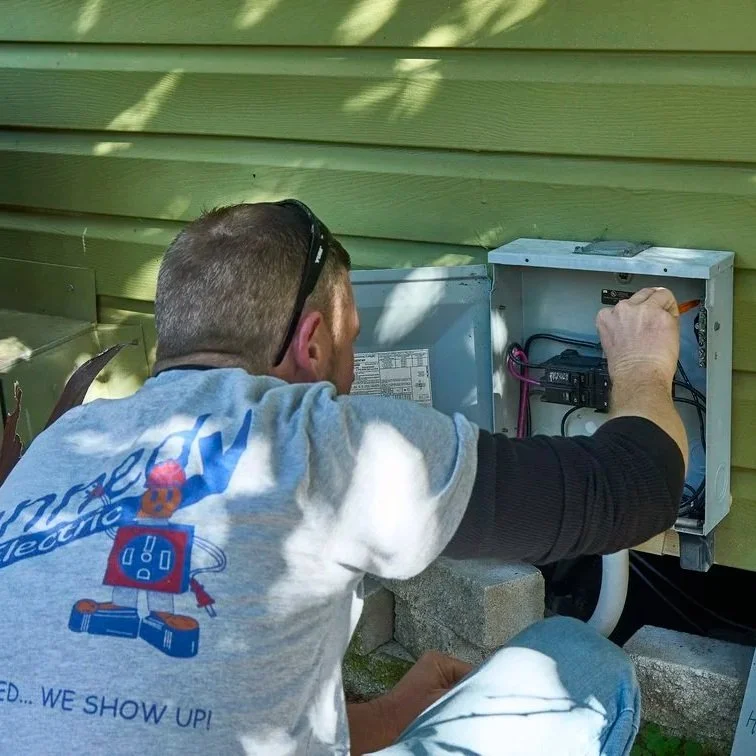
Electrician inspecting exterior electrical disconnect after hurricane flooding, ensuring wiring and components remain safe before restoring power to home.
Why Flooding And Electricity Never Mix Cleanly
Flooding creates electrical damage long before homeowners see obvious warning signs. Water moves fast during hurricanes, carrying salt, dirt, sewage, and debris into places that electrical systems were never meant to handle moisture. Even shallow flooding can reach outlets, switches, wiring, and panels. Once water comes into contact with surfaces, damage begins immediately and continues even after surfaces dry.
Electrical systems rely on clean metal connections and intact insulation. Floodwater contaminates those surfaces, leaving behind residue that promotes corrosion. Corrosion increases resistance. Resistance creates heat. Heat accelerates failure. That chain reaction starts quietly and worsens over time, often long after power is restored.
Homeowners often assume that if electricity comes back on and nothing sparks, the system survived. That assumption matters because post-hurricane electrical damage is rarely instant. Systems may function for weeks or months before problems appear. Understanding how flooding damages electrical components helps homeowners recognize why caution matters even after everything looks normal again.
Why “The Power Is Back On” Does Not Mean Safe
Power restoration creates a false sense of relief after hurricanes. Utility crews work quickly, lights come back on, and life starts moving forward. Many homeowners interpret restored power as confirmation that everything inside the home is fine. Unfortunately, utility restoration does not evaluate individual home systems.
When electricity flows through flood-exposed components, hidden damage begins to reveal itself. Breakers weakened by corrosion may not trip properly. Outlets contaminated with debris may arc internally. Wiring insulation compromised by moisture may heat unevenly under load. These issues rarely announce themselves immediately.
The danger lies in delayed failure. Electrical systems damaged by flooding can operate quietly until a high-demand moment reveals their weakness. That moment might come during normal daily use, months after the hurricane. Treating power restoration as a safety clearance allows compromised components to remain energized, increasing risk over time.
Why Electrical Panels Take The Hardest Hit
Electrical panels sit at the heart of the system, and flooding can severely impact them. Panels mounted lower on walls are especially vulnerable, which is common in older Florida homes. Even partial submersion introduces moisture and contaminants into breakers and bus bars.
Breakers rely on precise internal movement to detect unsafe conditions. Floodwater corrodes internal springs and contacts, reducing responsiveness. A breaker may still switch on and off manually, but it may lose its ability to trip accurately when overloaded. That creates a dangerous illusion of protection.
Bus bars inside the panel suffer similar corrosion. Increased resistance at these connection points generates heat during normal operation. Heat accelerates insulation breakdown and metal fatigue. Panels exposed to flooding often function quietly until failure becomes unavoidable. Post-hurricane electrical safety starts with treating panel exposure as serious, even when no immediate symptoms appear.
What Happens Inside Walls After Flooding
Wiring hidden behind walls often escapes attention during cleanup. Floodwater enters wall cavities through outlets, baseboards, and cracks. Once inside, it saturates insulation and wiring jackets. Drywall replacement may hide the problem without addressing it.
Modern wiring insulation resists brief moisture, not prolonged exposure. Floodwater allows contaminants to cling to insulation surfaces and seep into microscopic imperfections. Over time, insulation degrades and becomes brittle. That increases the chance of shorts, ground faults, and overheating.
Florida’s humidity worsens the situation. Moisture trapped inside walls lingers far longer than homeowners expect. Even after visible drying, elevated humidity supports ongoing corrosion. Wiring compromised by flooding may work initially, then fail months later. That delayed response confuses homeowners and obscures the connection to the hurricane.
Why Outlets And Switches Become Silent Hazards
Outlets and switches sit at prime flood height. These devices contain metal contacts that require clean surfaces to operate safely. Floodwater introduces debris and residue that remain inside even after drying.
When power flows through contaminated contacts, arcing can occur. Arcing produces intense heat inside electrical boxes. That heat can ignite surrounding materials without warning. Outlets exposed to flooding often feel loose, look discolored, or deliver inconsistent power.
Replacing drywall without replacing flood-exposed outlets creates a hidden risk. Homeowners plug in devices, assuming they are safe, unaware of internal damage. Post-hurricane electrical safety treats any outlet or switch exposed to floodwater as compromised, regardless of appearance.
Why Appliances Suffer Long-Term Electrical Damage
Appliances exposed to flooding are often replaced immediately, but partial exposure can cause more subtle problems. HVAC systems, water heaters, washers, dryers, and pool equipment contain electrical controls mounted low to the ground. Floodwater reaches control boards, motors, and sensors that appear intact afterward.
Corrosion affects these components internally. Motors draw uneven current. Control boards misinterpret signals. Safety systems malfunction. Appliances may run for a while before failing unexpectedly, often during peak use.
Homeowners sometimes try to salvage appliances after flooding to save money. That decision often leads to repeated service calls, rising energy bills, and eventual replacement anyway. Flood-damaged electrical components rarely deliver long-term reliability, even if they function temporarily.
Why Florida Hurricanes Create Ongoing Electrical Risk
Florida hurricanes introduce unique electrical challenges due to salt exposure and repeated flooding. Coastal areas are prone to saltwater intrusion, which accelerates corrosion. Inland flooding still carries minerals and organic matter that damage electrical systems.
High humidity prolongs drying and supports corrosion long after storms pass. Homes exposed once remain vulnerable longer. Repeated storms compound damage. Each exposure weakens electrical components further, even if water levels seem minor.
Many Florida homes experience localized flooding rather than total inundation. Homeowners underestimate damage because the event feels limited. Electrical systems do not care about depth once water reaches sensitive components. Post-hurricane electrical safety remains critical even after minor flooding.
The Risky Shortcuts Homeowners Take After Storms
After hurricanes, homeowners feel pressure to return to normal quickly. Power gets restored. Cleanup crews move fast. Shortcuts become tempting. Panels get dried and reused. Outlets get ignored. Wiring stays hidden.
Those shortcuts create future problems. Flood damage does not resolve itself. Temporary fixes hide compromised components that continue to degrade. Over time, failures become more severe and expensive.
Correct practice involves thorough inspection and replacement of affected components. That approach feels disruptive upfront, but prevents cascading failures. Post-hurricane electrical safety prioritizes long-term reliability over short-term convenience.
What To Do Before Turning Power Back On
One of the most important post-hurricane electrical safety steps happens before electricity flows. Power should remain off until a qualified inspection occurs. Energizing wet or contaminated components creates immediate danger.
Electricians evaluate panels, breakers, outlets, switches, wiring, and connected equipment. They identify which components have experienced exposure and which require replacement. Flood exposure often necessitates replacement, as hidden damage cannot be repaired.
Clear documentation matters for insurance and future planning. Identifying compromised components early prevents partial restoration that leaves hazards behind. Taking time before restoring power protects both safety and finances.
Why Electrical Inspections Matter Even Weeks Later
Some homeowners miss inspections immediately after hurricanes and regret it later. Electrical problems appear weeks or months afterward. Flickering lights, burning smells, or appliance failures seem unrelated to the storm.
Delayed inspections still provide value. Electricians can trace failures back to flood exposure and identify compromised components before escalation. Even if power has been restored for months, underlying risks may still exist.
Flood damage progresses over time. Electrical systems degrade quietly after exposure. Ongoing vigilance and professional evaluation reduce the chance of sudden failure long after hurricane cleanup ends.
How Professional Electricians Approach Post-Hurricane Damage
Electricians approach post-hurricane electrical safety with caution and experience. Components that appear functional are thoroughly tested and inspected. Flood damage patterns repeat, and trained eyes recognize subtle warning signs.
Professionals know which components cannot be trusted after exposure. They identify corrosion indicators homeowners overlook. In Florida, electricians frequently encounter homes where flood damage was underestimated initially.
Companies like Kennedy Electric often see the downstream effects of skipped inspections. Addressing compromised components early prevents repeat visits and escalating repairs. Experience matters when storms leave hidden damage behind.
Why Flood Damage Is A Safety Issue First
Flood damage affects comfort, but safety remains the primary concern. Electrical fires linked to flood damage often start quietly. Wiring overheats behind walls. Outlets arc internally. Panels fail under load.
Homeowners rarely connect these fires to prior flooding because time passes between cause and effect. Understanding post-hurricane electrical safety connects those dots. Flood exposure undermines insulation, connections, and predictable behavior.
Electrical safety depends on integrity. Flooding compromises that integrity even when systems appear functional. Proper response restores safety rather than relying on luck.
Why Flooding Changes Long-Term Electrical Planning
Homes that experience flooding require different electrical planning moving forward. Panels may need to be relocated to higher elevations. GFCI protection may expand. Wiring routes may change.
Florida homeowners increasingly face repeated storm risks. Adapting electrical systems to that reality improves resilience. Elevating vulnerable components and upgrading protection reduces future damage.
Ignoring flood history invites repeated electrical problems. Systems remember exposure even when homeowners move on. Post-hurricane electrical safety includes learning from past events to reduce future risk.
FAQs
Dry appearance does not mean electrical components are safe. Flood exposure causes hidden corrosion and contamination that create delayed hazards even after drying.
Panels exposed to floodwater often require replacement because internal corrosion affects breakers and bus bars, even if the panel appears functional.
Electrical issues can appear weeks or months after flooding as corrosion and insulation damage progress.
Outlets and switches exposed to floodwater are typically considered compromised and should be replaced due to internal contamination and fire risk.
Florida’s humidity, salt exposure, and frequent storms increase the risk of long-term electrical damage, making a thorough inspection critical even after minor flooding.
