Is Your Home’s Wiring Outdated? Warning Signs To Watch For
Why does my breaker keep tripping every time I run the microwave and the air fryer at the same time? And why do the lights dim like the house is sighing under the pressure?
You tell yourself it’s normal, but deep down you know something isn’t right. Constant breaker trips, flickering lights, and that low buzz behind the walls are not just quirks. They are daily annoyances that can turn into rising electric bills, damaged appliances, or worse.
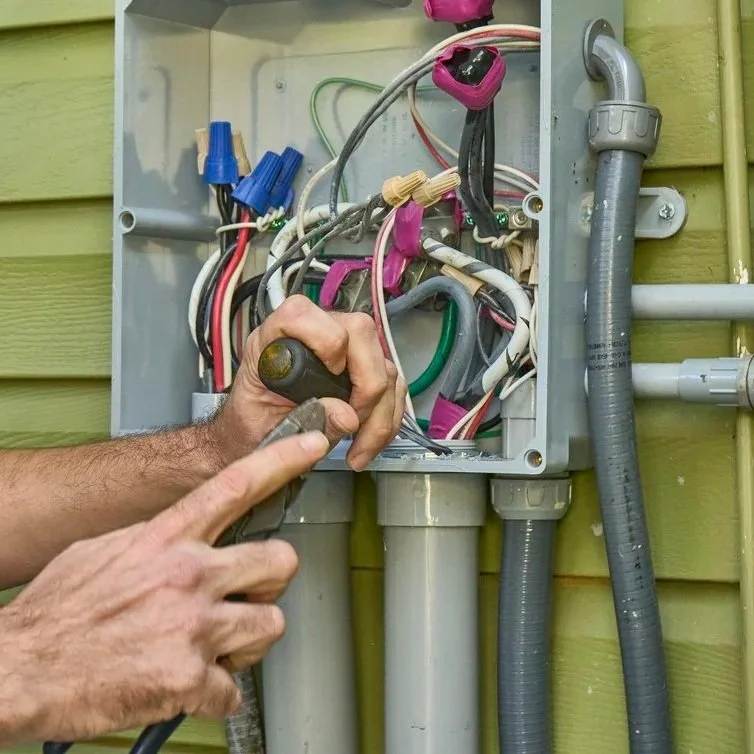
Electrician inspecting breaker panel wiring to diagnose tripping breakers, loose connections, and electrical capacity issues affecting home performance.
The Breaker Panel That’s Trying To Tell You Something
If you are typing “why does my breaker keep tripping” into a search bar, your home may be waving a red flag. Breakers trip for a reason. They protect your wiring from overheating by shutting off power when a circuit draws more current than it can safely handle.
In many older Florida homes, the electrical system was designed decades ago when families had far fewer appliances. No one planned for multiple televisions, gaming systems, high-efficiency HVAC systems, pool pumps, electric vehicle chargers, and a kitchen full of countertop gadgets running at once. When wiring is outdated, circuits are often overloaded. Homeowners sometimes respond by replacing breakers with higher amp versions, assuming that will solve the problem. That shortcut can create a serious risk because the wiring inside the walls may not be rated for that higher load. Over time, overheated conductors can degrade insulation and increase fire risk.
Frequent breaker trips are not just inconvenient; they are symptoms of a system straining to keep up. Ignoring them often leads to more persistent electrical issues. Appliances may wear out faster due to inconsistent voltage. Lights may dim or surge. In Florida’s long cooling season, heavy air conditioning demand compounds the strain. A panel that constantly resets becomes part of daily frustration, especially during dinner prep or family gatherings when multiple circuits run at once.
Flickering Lights And Dimming Rooms
Why do my lights flicker when the AC turns on? That question comes up often, especially in older Florida neighborhoods where homes were built long before modern HVAC systems became standard.
Flickering lights can signal loose connections, undersized wiring, or an outdated service capacity. When a large appliance, such as an air conditioner or refrigerator, kicks on, it draws a surge of current. In a modern system with adequate capacity and properly sized conductors, that surge is absorbed smoothly. In an outdated system, voltage drops become noticeable. Lights dim briefly or flicker. Homeowners often dismiss it as a minor nuisance. In reality, repeated voltage fluctuations stress light fixtures and sensitive electronics.
Loose connections present another issue. Over time, wiring connections inside outlets, switches, and panels can loosen due to thermal expansion and contraction. Florida’s heat accelerates that cycle. A loose connection generates heat and may produce subtle buzzing or even a faint burning smell. Small signs like that are easy to ignore until they escalate. Electrical arcing behind walls is not something you want happening quietly while you sleep.
Two-Prong Outlets And Missing Grounding
If you are asking, “Are two-prong outlets dangerous?” you likely live in a home built before grounding became standard. Two-prong outlets lack a grounding conductor, which is crucial to modern electrical safety.
Grounding provides a safe path for stray current in the event of a fault. Without it, the metal parts of appliances can become energized. That increases the risk of shock, especially in kitchens, bathrooms, and outdoor areas where moisture is present. Florida homes, with their humidity and frequent rain, demand extra attention to grounding and proper protection devices.
Homeowners sometimes use three-prong adapters to plug modern devices into two-prong outlets. That common workaround does not add real grounding protection. It simply allows the plug to fit. Relying on adapters can create a false sense of security. Upgrading to grounded outlets or adding GFCI protection where appropriate brings older wiring closer to current safety standards. Ignoring grounding deficiencies leaves you vulnerable to problems that may not show themselves until an appliance fails or a fault occurs.
Aluminum Wiring And Other Aging Materials
How do I know if my house has aluminum wiring? Homes built in the 1960s and early 1970s sometimes used aluminum branch wiring instead of copper. Aluminum expands and contracts more than copper, which can loosen connections over time.
Loose aluminum connections can overheat and pose a fire hazard. Special connectors and techniques are required when working with aluminum wiring. Homeowners who are unaware of its presence may attempt DIY repairs or hire unqualified handymen who treat it like copper. That misunderstanding leads to improperly secured connections and increased risk.
Other aging materials also raise concerns. Cloth-insulated wiring, brittle sheathing, and outdated fuse panels all indicate a system that may not align with modern demands. In Florida, high attic temperatures and humidity accelerate insulation breakdown. As insulation degrades, the likelihood of exposed conductors and short circuits rises. Electrical systems are not static. Materials age, loads increase, and environmental conditions play a role in long-term performance.
The False Assumption That “It Passed Inspection Once”
Many homeowners assume that because their home passed inspection years ago, the wiring must still be fine. Electrical systems, however, change over time. Added appliances, renovations, and evolving usage patterns alter how circuits perform.
Passing an inspection at the time of purchase does not freeze the system in that condition. Connections loosen. Panels corrode. Outdoor equipment is added. Pools and landscape lighting draw additional power. In Florida, storm activity can cause power surges that may not cause immediate visible damage but can gradually weaken components. An outdated electrical system might function adequately under light load but struggle under today’s daily demand.
Assuming everything is fine because nothing catastrophic has happened is a common mistake. Electrical issues rarely announce themselves dramatically at first. Instead, they appear as small annoyances. Warm outlets. Buzzing switches. Slight dimming. Occasional breaker trips. Those are early warning signs. Waiting until smoke or a complete outage forces action usually means higher repair costs and more extensive damage.
Service Capacity And Modern Living
Is 100 amp service enough for my house? That search question reflects how much modern life depends on electricity. Older Florida homes often operate on 100-amp service, which may have been sufficient decades ago.
Today’s households frequently require 200-amp service or more, especially with electric vehicle chargers, large HVAC systems, tankless water heaters, and home offices. Service capacity refers to the total amount of electrical current your home can safely draw from the utility. When capacity falls short, you experience nuisance trips and a limited ability to add new circuits.
Upgrading service capacity involves more than swapping a panel. It requires evaluating the entire electrical distribution system, grounding, and coordination with the utility provider. Homeowners sometimes focus on adding one new appliance without considering cumulative demand. Over time, piecemeal additions strain an already outdated framework. A comprehensive assessment provides clarity about whether your wiring supports how you actually live.
Outlets That Feel Warm Or Smell Strange
Why does my outlet feel warm to the touch? Warm outlets indicate resistance at connection points or overloaded circuits. Electrical current flowing through a loose or compromised connection generates heat.
Heat buildup can damage surrounding materials. In wall cavities filled with insulation or near wooden framing, elevated temperatures increase fire risk. A faint burning smell near an outlet or switch should never be dismissed. That odor often signals overheated insulation or arcing. Homeowners sometimes plug in air fresheners or move furniture to mask the smell rather than address the cause.
In Florida homes where air conditioning runs for much of the year, electrical loads remain high for extended periods. Continuous load magnifies weaknesses in outdated wiring. A warm outlet today can become a scorched receptacle tomorrow. Early intervention prevents more significant damage and reduces the stress of wondering what is happening behind your walls.
Renovations That Expose Hidden Problems
Opening walls during a remodel often reveals outdated wiring that was invisible before. Homeowners planning kitchen or bathroom upgrades frequently discover cloth wiring, undersized conductors, or improper splices.
Remodels offer an opportunity to modernize circuits, add dedicated appliance lines, and improve grounding. Ignoring electrical updates during renovation can lead to frustration later when new appliances trip breakers or underperform. Florida homeowners investing in home improvements expect comfort and convenience. An outdated electrical backbone can undermine that investment.
Working with a licensed electrician during renovations brings clarity. At Kennedy Electric, we often coordinate electrical upgrades with other trades to minimize disruption. Addressing wiring issues proactively avoids the daily inconvenience of extension cords, overloaded power strips, and limited outlet access, which waste space and create clutter.
FAQs
Frequent breaker trips, flickering lights, two-prong outlets, warm receptacles, and buzzing sounds are common indicators. Homes built several decades ago that have not undergone major electrical updates may struggle to meet modern electrical demands.
Aging insulation, loose connections, and overloaded circuits can increase fire risk over time. Electrical systems that no longer match household demand are more likely to overheat or experience faults, especially in Florida’s warm climate.
The answer depends on the condition of your existing wiring and overall service capacity. Some homes benefit from panel upgrades alone, while others require partial or full rewiring to support modern appliances and usage safely.
Upgraded wiring can improve efficiency and reduce voltage drops, which helps appliances operate more consistently. While it may not dramatically cut bills on its own, it can prevent energy waste caused by strained circuits.
Extension cords are meant for temporary use. Relying on them long-term often indicates insufficient outlets or overloaded circuits. Permanent wiring upgrades provide safer and more reliable access to power throughout your home.
