
IC-Rated vs. Non-IC-Rated Recessed Lights: What You Need to Know
Why did the ceiling get hot after the lights were on for a while? You flip the recessed lights on in the evening, walk back through the room later, and suddenly notice heat radiating from the ceiling or a faint smell that makes you stop and wonder if something is wrong.
That uneasy moment usually turns into hesitation and frustration. Homeowners start worrying about fire risk, insulation damage, or whether a past lighting upgrade quietly created a problem that is now expensive to undo. Many people delay addressing it because the lights still work, but that delay often leads to higher energy bills, damaged insulation, or real safety concerns hidden above the ceiling.
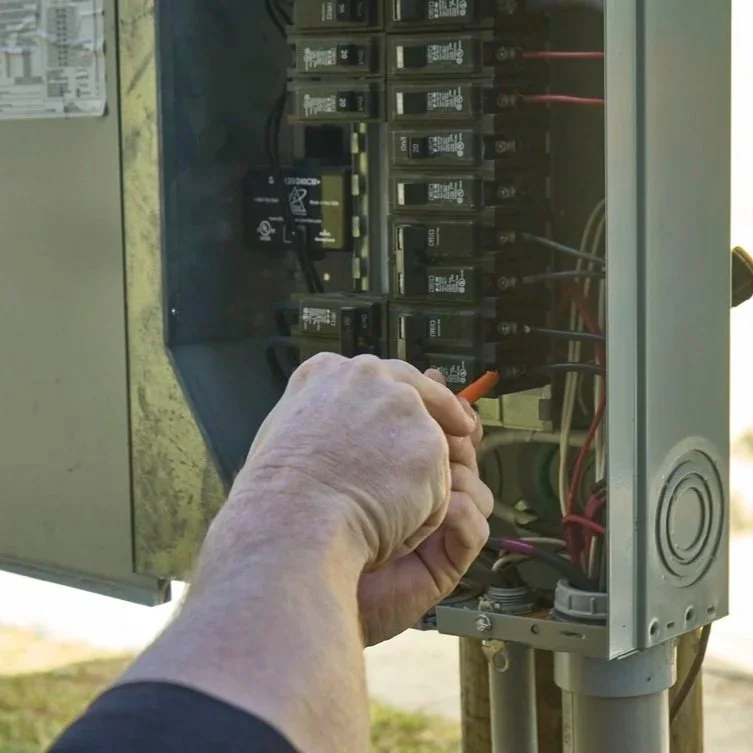
Electrician inspecting recessed lighting above ceiling highlights importance of IC-rated fixtures for insulation safety and long-term home energy performance.
Why Homeowners Keep Searching “IC-Rated vs Non-IC-Rated Recessed Lights”
IC-rated vs. non-IC-rated recessed lights is not a question homeowners ask out of curiosity. It usually comes up after noticing heat, hearing conflicting advice, or discovering insulation packed tightly around a light fixture during another project. The confusion makes sense because recessed lighting looks simple from the room side, but what happens above the ceiling matters far more than most people realize.
Homeowners often assume all recessed lights work the same way. If the fixture fits in the ceiling and turns on, it feels interchangeable. That assumption causes problems in Florida homes, where insulation, attic heat, and long lighting run times combine to create conditions that punish the wrong fixture choice. The difference between IC-rated and non-IC-rated recessed lights affects safety, energy efficiency, and long-term reliability.
The misunderstanding matters because the wrong fixture in the wrong environment can overheat, damage insulation, or shorten the life of the lighting system. In worst cases, improper installation creates a fire risk that stays hidden for years. Understanding the difference helps homeowners make informed decisions instead of relying on guesswork or outdated advice.
What IC-Rated Recessed Lights Actually Mean
IC-rated recessed lights are designed to be installed in direct contact with insulation. IC stands for insulation contact, which means the fixture can safely operate while surrounded by insulation without overheating. That design includes internal thermal protection and construction that limits heat transfer to surrounding materials.
Homeowners often misunderstand the IC rating and assume it only matters during new construction. In reality, IC-rated fixtures matter just as much in existing homes, especially in Florida, where attic insulation is common, and ceilings often separate living spaces from the hot attic. When insulation is in contact with an IC-rated fixture, heat dissipates safely, without creating hot spots.
The confusion comes from the fact that IC-rated fixtures used to be bulkier and more expensive. Older versions earned a reputation for being inefficient or dim. Modern IC-rated recessed lights use LED technology, generate less heat, and perform just as well as non-IC-rated options while offering greater safety and flexibility. Ignoring IC rating today often reflects outdated assumptions rather than the current reality.
What Non-IC-Rated Recessed Lights Are And Why They Still Exist
Non-IC-rated recessed lights require open space around them to dissipate heat. They are not designed to touch insulation and need clearance above and around the housing. That clearance allows heat to escape without reaching dangerous levels.
Homeowners often assume non-IC-rated fixtures are cheaper alternatives meant for budget projects. While they sometimes cost less upfront, they come with limitations that matter more in real homes than on paper. In Florida homes with insulated ceilings, maintaining proper clearance is difficult, especially after insulation shifts, settles, or is added later.
Non-IC-rated fixtures still exist because they work in specific situations, such as ceilings without insulation or commercial applications where clearance is guaranteed. Problems arise when homeowners or installers assume clearance will always remain intact. Over time, insulation shifts, attic work is done, and those clearances disappear, turning a once-acceptable installation into a hidden risk.
Why Insulation Makes Or Breaks The Decision
'Can recessed lights touch insulation' is one of the most common homeowner search phrases tied to lighting upgrades. The answer depends entirely on whether the fixture is IC-rated. Insulation contact with non-IC-rated fixtures traps heat, raising temperatures beyond safe levels.
In Florida, attic insulation plays a critical role in energy efficiency and comfort. Homes rely on thick insulation to combat extreme heat. That insulation often surrounds recessed fixtures completely, especially in older homes or after insulation upgrades. Homeowners rarely think about how that affects lighting installed years earlier.
When insulation comes into contact with non-IC-rated lights, several problems arise. Heat buildup shortens bulb and fixture lifespan, increases energy loss, and can degrade surrounding materials. Over time, insulation may scorch or compress, reducing its effectiveness. Homeowners often notice higher cooling costs without realizing that lighting choices contribute to the problem.
The Common Homeowner Mistake That Creates Hidden Risk
A common mistake involves assuming that if recessed lights have been working for years, the installation must be safe. Homeowners often inherit lighting setups from previous owners or contractors and assume there are no problems because nothing has failed yet.
That belief overlooks how conditions change over time. Insulation gets added or shifted. LED retrofits replace older bulbs, changing heat patterns. Attic access increases as homeowners add storage or equipment. A setup that was marginally acceptable years ago may no longer be safe today.
Ignoring that evolution leads to delayed repairs and a higher risk. Homeowners often discover issues only when inspecting attics for unrelated reasons or after noticing heat or odors. By then, insulation damage or fixture degradation may already be present, increasing repair complexity and cost.
Why Florida Attics Make IC Rating More Important
Florida attics experience extreme heat for much of the year. Temperatures regularly climb well above outdoor levels, creating harsh conditions for electrical components. Recessed lights act as openings between the conditioned living space and the hot environment.
IC-rated recessed lights help maintain a better thermal barrier. They allow insulation to remain continuous over the fixture, reducing heat transfer into the home. Non-IC-rated fixtures require gaps in insulation, creating thermal leaks that allow attic heat to push into living spaces.
Those gaps increase cooling demand and contribute to uneven room temperatures. Homeowners may compensate by lowering thermostats, leading to higher energy bills and daily discomfort. Over time, the cost of extra cooling often exceeds any initial savings from choosing non-IC-rated fixtures.
How Incorrect Fixture Choice Affects Energy Bills
Why does recessed lighting affect cooling costs is a question homeowners rarely ask, even though lighting choices influence energy use more than expected. Non-IC-rated fixtures create openings in insulation that allow hot attic air to migrate downward.
That heat transfer forces air conditioning systems to work harder. In Florida homes, even small insulation gaps add up over long cooling seasons. Homeowners may notice certain rooms feel warmer or harder to cool without realizing recessed lighting contributes to the problem.
IC-rated fixtures support insulation continuity, helping maintain consistent indoor temperatures. Over time, that stability reduces strain on HVAC systems and improves overall comfort. The impact may feel subtle day to day, but it becomes significant over the years of operation.
Installation Shortcuts That Cause Long-Term Problems
Another common issue arises when installers take shortcuts to save time or reduce upfront cost. Using non-IC-rated fixtures where insulation exists requires maintaining clearance boxes or barriers. Those barriers often get installed incorrectly or deteriorate over time.
Homeowners may not even know those barriers exist. Attic work, pest activity, or insulation settling can compromise them. Once clearance disappears, the fixture becomes unsafe without any visible warning from inside the home.
Correct installation considers not only current conditions but future changes. Using IC-rated recessed lights eliminates reliance on barriers and assumptions. It provides flexibility if insulation gets upgraded or attic layouts change, which happens frequently in Florida homes.
How To Tell What Type Of Recessed Light You Have
Homeowners often ask how to tell if recessed lights are IC-rated. The answer usually involves checking the fixture housing from above the ceiling or inside the attic. Labels typically indicate IC or non-IC rating, but access varies by home.
From inside the room, fixtures look nearly identical. That visual similarity leads to confusion and misplaced confidence. Homeowners may assume newer-looking lights are safer, even if they are not rated for insulation contact.
A professional inspection helps identify the fixture type and surrounding conditions. In many cases, correcting issues involves replacing housings or retrofitting fixtures rather than tearing out entire ceilings. Early evaluation prevents more invasive repairs later.
Why Retrofitting Can Be Smarter Than Replacement
Homeowners often fear that fixing recessed lighting issues means a major renovation. In reality, many situations allow for retrofitting existing fixtures with IC-rated housings or LED modules designed for insulation contact.
Retrofitting improves safety and efficiency without altering the room's appearance. It also brings older installations up to current standards that reflect modern insulation practices and energy expectations.
Waiting until fixtures fail or insulation degrades increases cost and disruption. Addressing compatibility early keeps the ceiling intact and avoids emergency repairs.
How Kennedy Electric Sees These Problems In Real Homes
Kennedy Electric frequently encounters recessed lighting installations where the fixture type does not match the insulation conditions. Many homeowners express frustration after discovering that a past upgrade created a hidden issue rather than improving the home.
In Florida, these situations often occur after insulation upgrades, attic cleanouts, or energy audits. Homeowners are usually surprised by how common the issue is and relieved that solutions exist without major reconstruction.
Addressing IC-rated vs non-IC-rated recessed lights protects both safety and comfort. It also prevents the slow accumulation of energy loss and wear that homeowners often blame on other systems.
FAQs
Insulation contact with non-IC-rated fixtures traps heat, increasing the risk of overheating, insulation damage, and shortened fixture lifespan. Over time, safety concerns increase.
Modern IC-rated LED recessed lights provide equal or better brightness compared to non-IC-rated options. Older performance differences no longer apply with current technology.
Non-IC-rated lights can work if insulation clearance is maintained, but Florida insulation practices make that difficult long-term. Many homeowners choose IC-rated fixtures for flexibility and safety.
IC-rated fixtures may cost slightly more upfront, but they reduce energy loss and avoid future modifications. Over time, they often save money through efficiency and fewer repairs.
Yes, insulation upgrades often change conditions around recessed lights. Evaluating fixture compatibility after insulation work helps prevent hidden problems and safety risks.
