

How Long Does Food Last Without Power? Power Outage Food Safety Guide
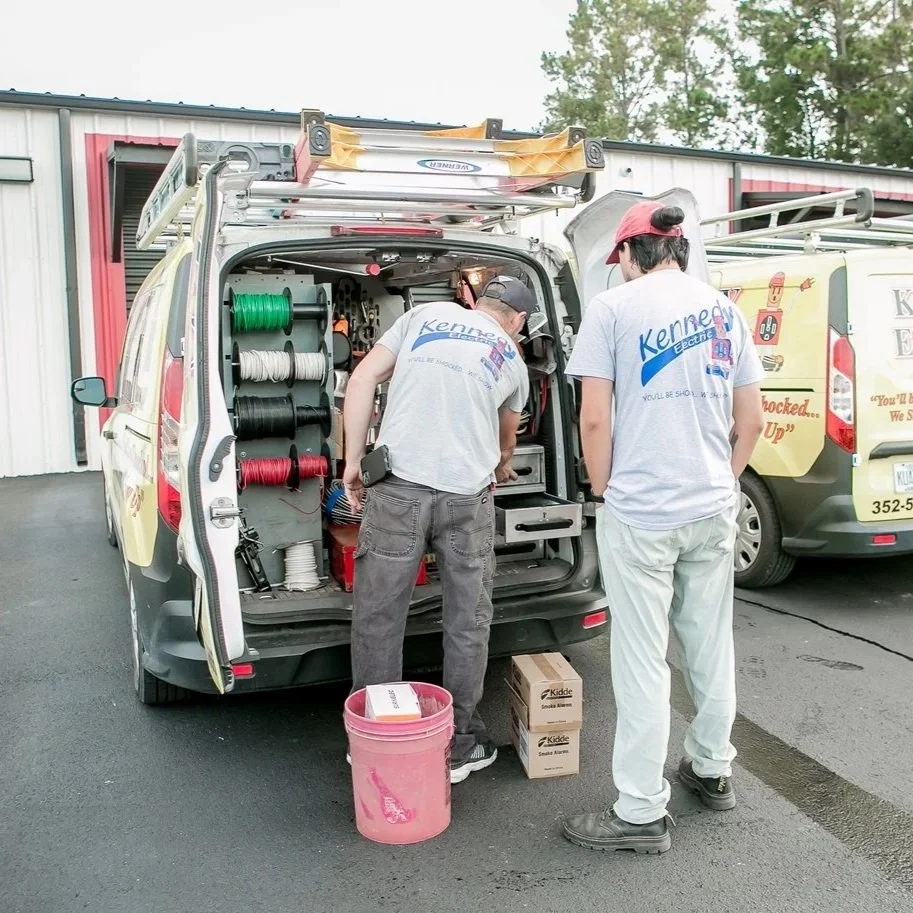
Kennedy Electric technicians organizing service van equipment, emphasizing preparedness and reliable electrical solutions before Florida storm outages strike.
How long has the fridge been off… and is any of this still safe to eat?
That question usually hits while standing in a quiet kitchen, door cracked open, warm air spilling out, and the sinking frustration of realizing a power outage just turned groceries into a guessing game.
Power outages in Florida have a way of showing up at the worst possible time. Storms knock out electricity, refrigerators go silent, freezers slowly warm, and homeowners are left staring at food they paid good money for while worrying about wasted space, rising grocery bills, and the risk of getting sick. Many people search for how long food lasts without power after already opening the fridge too many times, hoping the answer is more forgiving than reality.
Why Power Outages Turn Food Safety Into A Real Problem Fast
Food safety during a power outage is not just about inconvenience. Bacteria grow quickly once temperatures rise above safe levels, and Florida's heat speeds that process up even more. Refrigerators and freezers rely on steady power to hold cold temperatures. Once electricity cuts out, the clock starts ticking.
Most homeowners underestimate how fast food temperatures change. A closed refrigerator can hold safe temperatures for a limited window, but frequent door openings let cold air escape quickly. Freezers perform better, but only when kept shut and reasonably full. Warm ambient temperatures common in Florida shorten those windows significantly.
People often search “how long does food last in the fridge without power,” expecting a generous buffer. The reality is less comforting. Perishable items like meat, dairy, leftovers, and cooked foods move into the danger zone faster than many realize. Power outages do not announce how long they will last, which adds stress and forces decisions without clear guidance.
The Big Mistake Of Trusting Smell Or Appearance Alone
One of the most common homeowner mistakes during outages is relying on smell, texture, or appearance to judge food safety. Spoiled food does not always look or smell bad before it becomes unsafe. Harmful bacteria can grow without obvious warning signs.
Refrigerated foods that are kept above safe temperatures for too long can harbor bacteria that cause serious illness. Tasting a small bite to check freshness is especially risky. Homeowners searching for “can I tell if food is bad after a power outage” often hope for reassurance that their senses can protect them.
That misunderstanding matters because it leads people to keep food they should discard. Foodborne illness adds another layer of stress during outages when medical care may be harder to access. The safer approach is temperature and time-based decision-making rather than sensory judgment.
How Long Refrigerated Food Really Lasts Without Power
A refrigerator without power typically keeps food cold for about four hours if the door stays closed. That estimate assumes moderate conditions. Florida homes often exceed that baseline due to higher indoor temperatures during outages.
After four hours, perishable foods enter a risk zone. Milk, eggs, soft cheeses, leftovers, cut fruits, and cooked foods become unsafe if temperatures rise above safe levels for too long. Condiments fare better, but even they can degrade depending on the ingredients.
Homeowners searching “what food can stay in fridge without power” often want a simple list. Reality requires nuance. High-sugar, high-salt, or acidic foods last longer. Raw meats, seafood, and dairy spoil quickly. Once temperatures exceed safe limits, discarding food is the safer choice even when it feels wasteful.
Freezers Hold Longer But Not Forever
Freezers provide a longer safety window, especially when full. A full freezer can maintain safe temperatures for up to forty-eight hours if unopened. A half-full freezer holds for about twenty-four hours. Florida heat can shorten those windows slightly.
Frozen food safety depends on whether items remain solidly frozen. Ice crystals indicate continued safety. Softened but still cold food may refreeze safely in some cases, but quality suffers. Completely thawed food presents a higher risk.
People searching “is frozen food safe after a power outage” often hope refreezing solves everything. Refreezing does not remove bacteria that grew during thawing. When in doubt, discard food to avoid illness. Labeling freezer contents and keeping a thermometer inside helps reduce guesswork during outages.
Why Opening The Fridge Repeatedly Makes Things Worse
Curiosity is understandable during outages. Homeowners want to check food, grab drinks, or rearrange items. Each opening releases cold air, accelerating warming. That habit shortens the safe window significantly.
Families with kids face extra challenges. Snacks, drinks, and comfort foods become tempting distractions during stressful outages. Every door opening chips away at the remaining cold storage.
Searches like “should I open the fridge during a power outage” reflect this uncertainty. The practical answer favors restraint. Keeping doors closed preserves cold longer and gives decision-makers more time.
Using Coolers And Ice The Right Way
Many homeowners try to save food by transferring items to coolers. Coolers work when used correctly and stocked with enough ice. Poor planning undermines their effectiveness.
Coolers should be pre-chilled when possible. Ice packs or block ice maintain colder temperatures longer than loose cubes. Packing items tightly reduces air space and slows warming. Opening coolers frequently has the same negative effect as opening the fridge.
People often search “can I put fridge food in a cooler during a power outage” after the outage begins. Preparation matters. Without enough ice or proper packing, coolers become temporary refrigerators that warm quickly. Prioritizing high-risk items like meat and dairy makes better use of limited cold storage.
Generators And Why Electrical Preparation Matters For Food Safety
Power outages expose the link between electrical readiness and food safety. Homes with backup power maintain refrigeration and reduce food waste significantly. Generators, battery systems, and properly installed transfer equipment keep refrigerators running during storms.
Many Florida homeowners assume generators only power lights or a few outlets. Refrigeration often gets overlooked until food loss becomes routine. Electrical systems require proper planning to support appliances during outages safely.
Searches like “can a generator run a refrigerator” come from homeowners learning the hard way. Load calculations, dedicated circuits, and transfer equipment determine whether backup power works reliably. Electricians see food safety become an unexpected casualty of poor electrical preparation.
Common Myths About Power Outage Food Safety
Several outdated beliefs continue to circulate. One myth suggests cold weather outside keeps food safe indoors. Florida rarely offers that benefit. Another myth claims freezing food again makes it safe regardless of thaw duration. Bacterial growth does not reverse.
Some homeowners believe outages under a certain length pose no risk. Duration matters, but temperature matters more. A short outage during extreme heat can spoil food faster than a longer outage during mild conditions.
Searching “how long is too long without power for food” reflects these mixed messages. Understanding how bacteria behave clarifies why conservative decisions protect health.
Why Florida Conditions Change The Rules
Florida’s climate accelerates food spoilage during outages. High humidity and heat push indoor temperatures upward quickly once air conditioning stops. Refrigerators work harder to maintain cold even before outages, reducing stored thermal reserve.
Storm season often brings repeated outages. Food that survives one event may face another before restocking. Cumulative warming increases risk even when individual outages seem brief.
Homeowners new to Florida often underestimate these factors. Experience teaches that food safety planning matters as much as storm shutters or flashlights.
When To Throw Food Away Without Regret
Discarding food feels painful, especially after investing time and money. Food safety decisions should prioritize health over savings. When in doubt, throwing food away avoids illness that costs far more in the long run.
Perishable foods exposed to unsafe temperatures for extended periods should be discarded. That includes meat, poultry, seafood, dairy, cooked leftovers, and cut produce. Condiments, hard cheeses, and whole fruits last longer but still deserve scrutiny.
Homeowners searching “what food should I throw away after a power outage” want clear permission to let go. Safety guidelines exist to remove guesswork and guilt.
Electrical Reliability Reduces Food Waste Long Term
Repeated food loss during outages points to a broader issue. Electrical reliability protects more than comfort. It protects groceries, routines, and budgets.
Homes with updated panels, surge protection, and backup power options weather outages with less disruption. Refrigerators continue running. Freezers stay frozen. Food waste drops dramatically.
Electricians working with Florida homeowners see the pattern clearly. Investing in electrical preparedness reduces recurring food loss. Kennedy Electric often encounters clients after storms who realize electrical upgrades pay off quietly every time the lights go out.
Food Safety Planning Before The Next Outage
Preparation reduces stress. Keeping thermometers in refrigerators and freezers provides objective data. Stocking ice packs before storm season helps. Knowing which foods spoil fastest guides smarter decisions.
Electrical planning plays a role, too. Understanding which outlets stay live during generator use or battery backup prevents surprises. Small steps add up.
Food safety during power outages doesn't have to feel like a gamble. Clear information and preparation turn frustration into manageable decisions.
FAQs – Generator Services in Florida
Most refrigerated food stays safe for about four hours if the door remains closed. After that, perishable items are at greater risk, especially in Florida's heat.
Frozen food remains safe if it stays solidly frozen. Softened or fully thawed food carries a higher risk, especially if it is warm for extended periods.
Smell and appearance are unreliable indicators. Harmful bacteria often grow without noticeable odor or visual changes.
Meat, poultry, seafood, dairy, leftovers, and cooked foods that have been exposed to unsafe temperatures should be discarded to avoid illness.
Backup power keeps refrigerators and freezers running during outages, reducing food loss and improving overall food safety during storms.
