

How Do Surge Protectors Actually Work? A Simple Explanation
Why did my TV just shut off during that storm? And why does everything blink every time lightning hits somewhere nearby?
You are sitting in your living room in Florida, thunder rolling outside, when the lights flicker and your WiFi router reboots. The television goes dark for a second and then comes back on. You shrug it off at first. Then, a few weeks later, your microwave display starts acting strange, or your garage door opener stops responding. Now you are wondering if those quick power blinks are slowly wrecking your electronics and raising your repair costs. Surge protectors are supposed to fix that problem, but most homeowners are not sure how they work or what they actually protect.
As an electrician, I hear the same question all the time: how do surge protectors actually work? The answer is not complicated, but it does require understanding what a power surge really is and how your home’s electrical system responds to it.
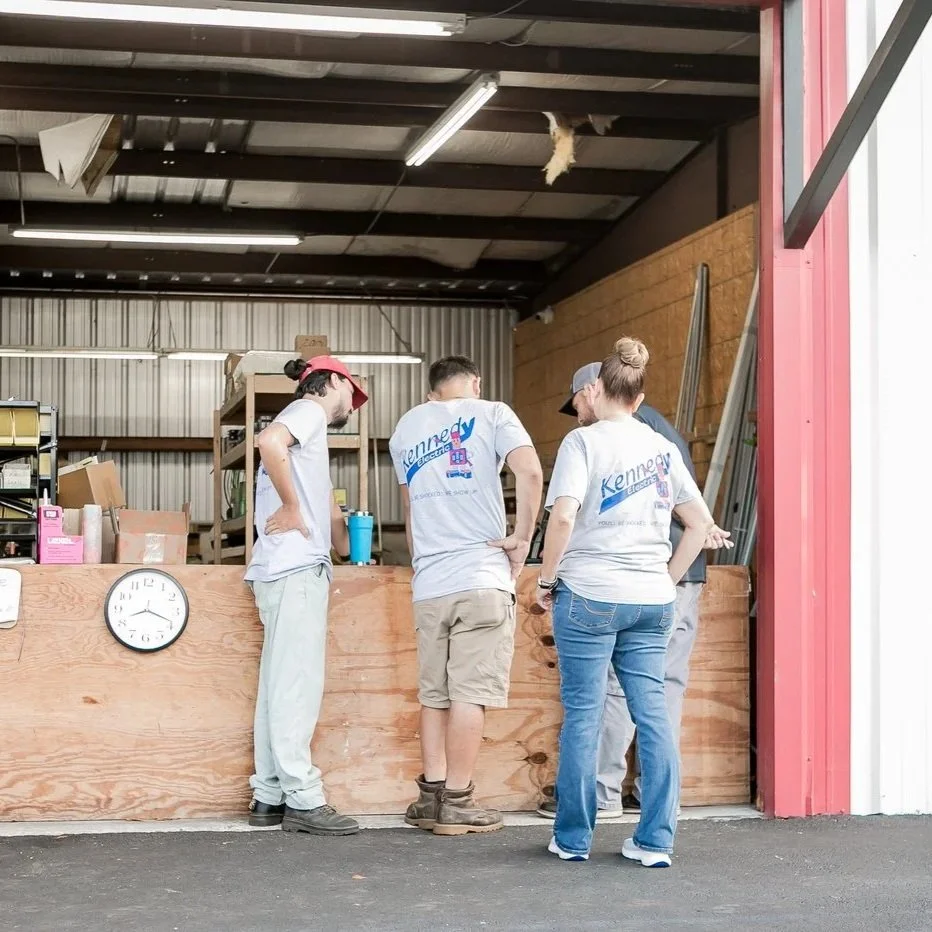
Kennedy Electric team discussing electrical upgrades highlighting surge protection planning whole home safety evaluation for modern electronics reliability.
What A Power Surge Really Is
Before explaining how surge protectors work, it helps to understand what a surge is. A power surge is a sudden spike in voltage traveling through your electrical system. Your home normally receives electricity at a consistent voltage level. When that voltage jumps unexpectedly, even for a fraction of a second, sensitive electronics can suffer damage.
Lightning is the dramatic example everyone thinks of. Florida sees more lightning strikes than most states, which makes surge protection especially relevant here. However, most surges are not caused by lightning. Everyday events such as large appliances cycling on and off can create internal surges. Air conditioners, refrigerators, and pool pumps all generate small spikes when their motors start or stop.
Those small, repeated surges may not cause immediate failure. Instead, they degrade components slowly. Think of it as wear and tear on the delicate circuitry inside your devices. Over time, those tiny jolts shorten the lifespan of electronics and lead to unexpected replacements.
How Surge Protectors Actually Work Inside
How do surge protectors actually work? At the most basic level, they act as gatekeepers. When voltage remains within normal limits, electricity flows through the protector to your devices. When voltage rises above a safe threshold, the surge protector diverts the excess energy away from your electronics.
Most plug-in surge protectors use a component called a metal oxide varistor, often referred to as an MOV. Under normal voltage, the MOV does nothing. When a voltage spike occurs, the MOV reacts almost instantly by diverting excess energy to ground. That diversion protects the connected devices from experiencing the full surge.
After absorbing or redirecting a surge, the MOV gradually wears out. Many homeowners do not realize that surge protectors have a lifespan. Each surge event reduces their capacity slightly. Over time, the protection diminishes even if the device still appears functional. That is one reason why replacing older surge strips periodically matters.
The Difference Between Power Strips And Surge Protectors
One common homeowner mistake involves confusing power strips with surge protectors. They often look nearly identical. Both have multiple outlets and a cord. However, a basic power strip only expands the number of outlets available. It does not provide surge protection.
Some homeowners assume that any strip with a switch is protective. That assumption can be costly. If the strip does not include surge protection components such as MOVs, it will not shield electronics from voltage spikes.
True surge protectors are labeled with ratings such as joules and clamping voltage. Joule rating indicates how much energy the device can absorb before it fails. Higher joule ratings generally mean greater protection capacity. Understanding that difference helps homeowners avoid relying on devices that provide no real defense against surges.
Whole Home Surge Protection Explained
Plug in surge protectors protect individual devices. Whole-home surge protectors operate at a different level. Installed at the main electrical panel, they protect all circuits in the house.
How do whole-home surge protectors actually work? They monitor incoming voltage at the panel. When a surge enters from the utility line or is generated internally, the protector diverts excess energy to ground before it spreads throughout the home.
Florida’s frequent storms make whole-home protection particularly valuable. Lightning does not need to strike your house directly to cause damage. A strike nearby can induce voltage spikes on power lines. A panel-mounted surge protector intercepts that energy before it reaches outlets and appliances.
Whole-home units also reduce the burden on plug-in protectors. Instead of absorbing the full force of a surge, smaller devices handle only residual energy. That layered approach extends the life of your protective equipment and reduces the risk of cumulative damage.
Why Do My Lights Flicker During Storms?
Many homeowners search “Why do my lights flicker during storms?” after noticing brief dimming or brightening during bad weather. Flickering lights often indicate voltage fluctuations. Those fluctuations may be minor, but they signal instability in the power supply.
When lightning strikes nearby or when high winds affect utility lines, voltage can momentarily spike or dip. While flickering alone does not always indicate damage, repeated fluctuations stress electronics.
Surge protectors respond to sudden spikes, not gradual dips. If flickering becomes frequent even in calm weather, it may signal loose connections, overloaded circuits, or panel issues. In those cases, surge protection alone is not enough. A professional evaluation helps identify underlying causes.
The False Assumption That Surge Protectors Last Forever
A common, outdated belief is that once you buy a surge protector, you are protected indefinitely. Surge protective components degrade over time. Some units have indicator lights that show when protection remains active. Others fail silently.
Each surge event chips away at the protective capacity. In Florida, where storms are frequent, surge protectors may endure more stress than in other regions. Relying on an old strip can create a false sense of security.
Replacing surge protectors every few years, especially after major storm events, keeps protection reliable. Whole home units also have service lives. Following manufacturer guidelines and scheduling periodic inspections helps maintain an effective defense against voltage spikes.
Surges From Inside The Home
Many homeowners focus solely on external lightning threats. However, internal surges occur daily. Large appliances with motors create brief spikes when they cycle on. HVAC systems are common contributors.
When your air conditioner starts on a hot Florida afternoon, it draws a significant amount of current. That demand can cause small fluctuations in the system's voltage. Over time, those repeated events stress electronic boards in refrigerators, microwaves, and entertainment systems.
Surge protectors address both external and internal spikes. Whole home systems help stabilize the environment for sensitive devices. Understanding that surges are part of everyday operation rather than rare lightning events shifts how homeowners think about protection.
Layered Protection For Modern Homes
Modern homes contain more electronics than ever before. Smart thermostats, security systems, WiFi routers, televisions, and gaming systems all rely on delicate circuitry. Even major appliances now include digital control boards.
Layered protection combines whole-home surge protectors with point-of-use devices. The panel-mounted protector intercepts large surges. Plug-in units shield individual electronics from smaller residual spikes.
At Kennedy Electric, we often explain surge protection as similar to wearing both a rain jacket and carrying an umbrella during a storm. One layer handles the bulk of exposure. The second layer provides added security for what slips through. That combined approach reduces long-term repair costs and the risk of unexpected equipment failure.
How Surge Protection Connects To Grounding
Surge protectors rely heavily on proper grounding. When excess voltage is diverted, it must have a safe path to travel. If grounding systems are inadequate or deteriorated, surge protectors cannot perform effectively.
Ground rods, bonding connections, and panel grounding conductors all play roles. Older Florida homes may have grounding systems that do not meet modern standards. Without a strong grounding path, redirected energy may not dissipate safely.
Evaluating grounding integrity becomes part of comprehensive surge protection planning. Upgrading surge protection without verifying grounding may limit effectiveness. Strong grounding not only supports surge protection but also enhances overall electrical safety.
Why Surge Protection Matters More In Florida
Florida’s climate makes surge protection especially relevant. Frequent thunderstorms, high lightning activity, and heavy air conditioning use create an environment where voltage fluctuations are common.
Storm season increases the frequency of surge events. Even outside storm months, daily high demand from cooling systems contributes to internal spikes. Homes near coastal areas may also be exposed to salt air, which can affect electrical components over time.
Investing in surge protection is not about fear. It is about preserving the electronics and appliances that support daily life. Replacing control boards and entertainment systems repeatedly becomes expensive and frustrating. Preventive measures reduce that cycle.
FAQs
Surge protectors monitor voltage levels and divert excess electricity away from connected devices during spikes. They act as a gate that allows normal power to pass through but redirects dangerous surges to ground. That action helps protect electronics from damage.
Basic power strips do not provide surge protection unless they are specifically labeled as surge protectors. Only devices with internal surge protective components can redirect voltage spikes. Even then, whole-home protection offers a stronger defense against lightning-related surges.
Surge protectors gradually wear out as they absorb or redirect surges. Their lifespan depends on the number and size of surge events they experience. Replacing them every few years or after major storms helps maintain reliable protection.
Given Florida’s high lightning activity and frequent storms, whole-home surge protection offers valuable defense for all circuits. It reduces the impact of large incoming surges and supports the effectiveness of individual plug-in protectors. Many homeowners find that it helps lower long-term replacement costs for electronics.
Surge protectors rely on a functional grounding system to divert excess voltage safely. Without proper grounding, their ability to protect devices decreases. Verifying grounding integrity is an important part of surge protection planning.
