Gas vs. Electric Dryers: Which Is Better for Florida Homes?
Why does the laundry room feel hotter than the rest of the house every time the dryer runs? If standing next to a humming dryer already feels like adding another Florida summer inside the house, that question usually comes right after the sweat starts.
A lot of homeowners start looking up gas vs. electric dryers after one too many frustrating laundry days. Clothes take forever to dry, the room feels like a sauna, and the electric bill keeps creeping higher with no clear explanation. That moment often happens late at night, standing in a warm laundry room listening to the dryer struggle, wondering why something so basic feels so inefficient. When the decision between gas and electric dryers gets misunderstood or delayed, the result is often wasted energy, rising utility costs, and a daily annoyance that never really goes away.
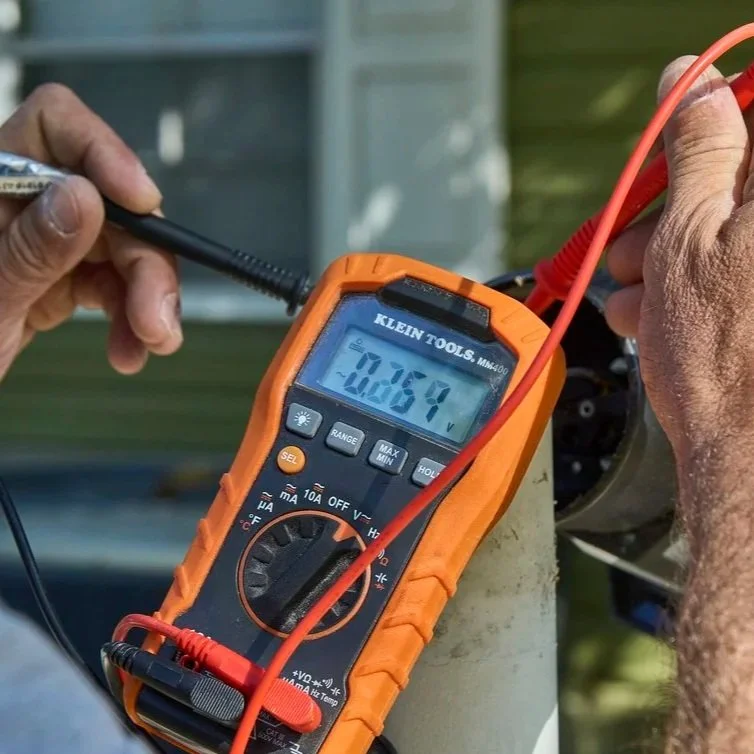
Electrician testing electrical load while homeowners compare electric and gas dryer efficiency, heat impact, and overall household energy demand.
Why Does My Dryer Make the House So Hot in Florida?
Florida homes already work hard to stay cool, so any appliance that adds heat feels more noticeable than it might in other climates. Dryers push a lot of warm air, and where that heat goes matters. Electric dryers convert electricity directly into heat, which can raise indoor temperatures quickly if ventilation is not ideal. Gas dryers generate heat through combustion and often move moisture and heat out of the home more efficiently, but only when installed correctly.
Homeowners often assume heat buildup is just part of doing laundry, but the type of dryer plays a big role. In Florida, where air conditioning runs year-round, that extra heat forces cooling systems to work harder. Over time, that adds wear to HVAC equipment and raises energy bills. The misunderstanding usually starts when homeowners focus only on the purchase price of a dryer instead of how it interacts with the rest of the home. Heat management becomes a long-term comfort issue, not just a laundry concern.
Electric Dryers Feel Simple Until the Bills Arrive
Electric dryers appeal to many homeowners because they seem straightforward. No gas line, no combustion, fewer perceived risks. Plug it in and go. That simplicity makes electric dryers common in Florida homes, especially in newer developments or condos. The issue shows up later, often when homeowners notice higher electric bills without any major lifestyle changes.
Electric dryers draw a significant amount of power, especially during longer drying cycles caused by humidity. Florida air already holds moisture, which means clothes often take longer to dry. Longer cycles mean more electricity consumption and more heat released into the home. Many homeowners assume the dryer itself is inefficient or aging and replace units without addressing the underlying issue. Over time, repeated high usage increases wear on electrical components and circuits. Electricians frequently see overloaded laundry circuits or aging wiring stressed by modern dryer demands. The dryer works, but it quietly adds strain to the electrical system and household comfort.
Gas Dryers Sound Complicated, but Often Solve Florida-Specific Problems
Gas dryers intimidate some homeowners because they require gas lines and venting. That concern leads many people to rule them out without fully understanding how they function. Gas dryers heat faster and often dry clothes more quickly, which reduces cycle times. Shorter cycles mean less heat lingering inside the home and less moisture circulating through the laundry room.
In Florida homes, that efficiency can translate into noticeable comfort improvements. Less heat buildup reduces the burden on air conditioning systems, especially in homes where the laundry room sits near living spaces. Gas dryers still use electricity for controls and motors, but the heating process relies on gas, which can reduce electrical demand. Homeowners who switch often notice faster drying and a cooler laundry area. The misunderstanding usually comes from outdated beliefs that gas appliances are inherently riskier. Modern installations, when done correctly, operate safely and reliably. Ignoring that option often leaves homeowners stuck with persistent heat and humidity issues they assume are unavoidable.
Why Humidity Changes the Dryer Conversation Completely
Florida's humidity changes how dryers perform compared to drier climates. Moist air slows evaporation, which directly affects drying time. Electric dryers tend to struggle more in high humidity because longer cycles are required to achieve the same results. That means more electricity use and more heat introduced into the home.
Gas dryers, with higher heat output and faster recovery times, often overcome humidity more effectively. Clothes dry quicker, vents move moisture out faster, and the room spends less time acting like a steam chamber. Homeowners often blame poor drying on vent issues alone, which are important, but dryer type plays a major role. Over time, prolonged moisture exposure can affect walls, flooring, and even nearby electrical components. The frustration becomes a daily routine rather than an occasional inconvenience. Understanding how humidity interacts with dryer technology helps homeowners make choices that fit Florida conditions rather than fight them year after year.
The Hidden Electrical Impact Most Homeowners Never Consider
Electric dryers place a heavy load on household electrical systems. Many older Florida homes were not designed to handle the sustained electrical demand that modern dryers require. Even in newer homes, long cycles and frequent use add cumulative stress. Breakers may not trip often, but wiring heats up, connections loosen over time, and panels age faster.
Homeowners rarely connect minor electrical issues to their dryer choice. Flickering lights, warm breaker panels, or nuisance trips seem unrelated at first. Over time, those symptoms become more noticeable. Electricians often discover laundry circuits operating near capacity for years. Gas dryers reduce that electrical load, which can extend the life of electrical components. That difference matters more as homes add electric vehicles, pool equipment, and other high-demand systems. Ignoring the electrical side of dryer selection leads to compounding issues that surface long after the appliance purchase feels finished.
Why “Cheaper Up Front” Often Costs More Over Time
Many homeowners focus on upfront cost when choosing between gas and electric dryers. Electric models usually cost less initially and avoid gas line installation expenses. That short term savings feels logical during renovations or replacements. The long-term picture often tells a different story, especially in Florida.
Higher electric usage, longer run times, and increased cooling demands quietly add to monthly expenses. Over time, those costs often exceed the initial savings. Gas dryers may require more upfront planning, but they often reduce energy costs and reduce wear on other systems. The mistake homeowners make is treating dryers as standalone appliances rather than as part of a larger home system. Laundry choices affect electrical panels, HVAC performance, and indoor comfort. When those connections are ignored, the cheapest option rarely stays that way.
Is Gas Always Better for Florida Homes?
Gas dryers are not automatically the right choice for every Florida home. Availability of gas service, space constraints, and venting options all matter. Condos, apartments, and some communities restrict gas installations. Electric dryers still perform adequately when properly vented and with realistic expectations.
The issue arises when homeowners assume electric dryers perform the same in Florida as they do elsewhere. Climate, home layout, and usage patterns change the outcome. A properly installed electric dryer with good ventilation can work well, but it may never match the speed or reduced heat impact of a gas unit. The key mistake is assuming dryer choice does not matter. Florida conditions amplify small differences into daily frustrations. Understanding those tradeoffs helps homeowners avoid repeating the same annoyances with each replacement.
Why Dryer Venting Matters More Than Most People Realize
Dryer venting plays a critical role regardless of dryer type. Poor vent design traps heat and moisture inside the home, making even the best dryer perform poorly. Long vent runs, sharp bends, and clogged ducts increase drying times and raise temperatures. Homeowners often replace dryers without addressing vent issues, expecting better results that never arrive.
In Florida, venting problems compound humidity challenges. Moist air that should exit the home lingers, feeding mold growth and reducing comfort. Gas dryers move air more aggressively, which can partially mask vent issues, but the problem still exists. Electric dryers suffer more noticeably when venting falls short. Over time, poor venting increases fire risk, energy use, and appliance wear. Many electricians and service professionals see venting as the missing piece in dryer performance conversations. Ignoring it leads to repeated dissatisfaction regardless of dryer choice.
What Most Homeowners Get Wrong About Safety
Safety concerns often push homeowners toward electric dryers by default. Gas sounds dangerous, while electricity feels familiar. Both systems carry risks when installed or maintained incorrectly. Gas dryers require proper venting and secure connections, while electric dryers demand adequate circuit capacity and sound wiring.
The real safety issue comes from assumptions. Homeowners assume existing setups are safe without evaluation, especially after renovations or appliance upgrades. Over time, shifting loads and aging components change the risk profile. Gas dryers installed correctly operate safely for decades. Electric dryers overloaded onto undersized circuits pose hazards that remain invisible until failure. Professional evaluation matters more than appliance type. The safest dryer is the one properly matched to the home’s infrastructure and maintained over time.
How Timing and Aging Systems Change the Equation
Older Florida homes face different challenges than newer builds. Aging electrical panels, outdated wiring methods, and limited capacity influence dryer choices. What worked twenty years ago may struggle today. Seasonal demand increases, larger households, and modern appliances push systems harder.
Homeowners often delay addressing these changes until something fails. Dryer replacement becomes reactive instead of strategic. Choosing between gas and electric without considering system age leads to mismatches that cause frustration. As homes evolve, appliance choices need to evolve as well. Addressing these factors early prevents repeated upgrades and unexpected limitations later.
FAQs
Gas dryers usually cost less to operate in Florida because they dry clothes faster and reduce electrical demand. Shorter cycles also limit heat buildup, which helps keep cooling costs lower over time.
Electric dryers are not bad by default, but they often struggle with humidity and long drying times. Without proper venting and electrical capacity, they can increase energy bills and indoor heat noticeably.
Electric dryers draw significant power, especially during long cycles. Older panels or circuits may experience increased wear over time, even without frequent breaker trips.
Gas dryers often reduce heat buildup because they dry clothes faster and vent moisture more efficiently. That difference feels more noticeable in Florida homes with high humidity.
Switching between gas and electric dryers usually requires professional evaluation. Electrical capacity, gas availability, and venting all need to be assessed to avoid long-term issues.
