
Florida Electrical Code Requirements Every Homeowner Should Know
Why does every electrical project suddenly feel way more complicated than it should? One outlet turns into permits, inspections, failed approvals, and someone telling you that it no longer meets code.
Most homeowners start searching for Florida electrical code requirements after hitting a wall they did not expect. A ceiling fan installation stalls. A panel upgrade gets flagged. A home inspection report comes back full of electrical notes that were never mentioned before. The frustration usually starts with one specific moment, like being told a simple fix now needs corrections, rewiring, or delays. When electrical code requirements are misunderstood or ignored, homeowners often face wasted time, unexpected costs, and the feeling that their home is suddenly working against them rather than with them.
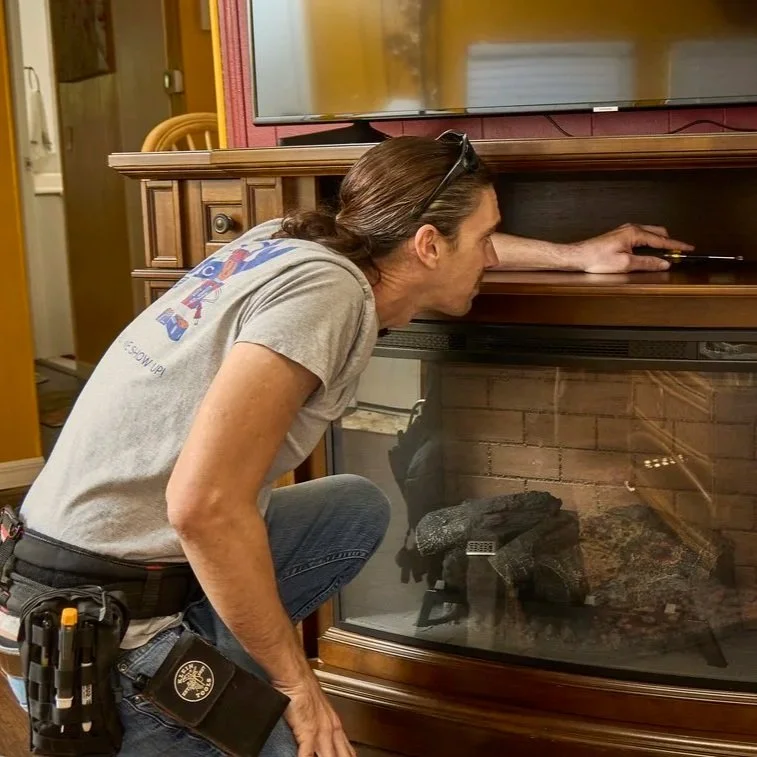
Electrician inspecting wiring inside entertainment unit, ensuring electrical code compliance, safe connections, and organized power distribution for home systems.
Why the Electrical Code Feels So Confusing in Florida Homes
Electrical code exists to protect people and property, but most homeowners experience it as an obstacle rather than a safeguard. Florida homes often combine older construction with newer upgrades, which creates layers of standards applied at different times. A house built decades ago may have been perfectly legal then, but no longer aligns with current expectations. When homeowners try to update even a small part of the system, those gaps become visible very quickly.
The Florida electrical code also responds to local realities. Heat, humidity, storms, and heavy electrical demand shape how systems are regulated. Requirements around grounding, outdoor wiring, service capacity, and moisture protection reflect real risks that homeowners may not see day to day. Without context, code can feel arbitrary. In reality, it reflects patterns that electricians and inspectors have repeatedly observed in Florida homes. Understanding that perspective helps homeowners anticipate issues instead of being surprised by them mid-project.
The Common Mistake of Assuming Old Work Is Automatically Acceptable
One of the most common homeowner assumptions is that if something has worked for years, it must be acceptable under the current Florida electrical code. That belief causes major frustration during renovations, sales, and inspections. Electrical systems can function while still falling short of modern safety standards.
The Florida electrical code generally does not force homeowners to update everything at once. Existing systems are often grandfathered. Problems arise when homeowners modify or extend those systems. Adding a new circuit, upgrading a panel, or installing modern appliances often triggers code compliance for the affected areas. Homeowners who assume old wiring will carry forward unchanged often face corrections they did not budget for.
That misunderstanding matters because code upgrades rarely happen in isolation. Addressing one deficiency can expose others. Knowing the reality upfront allows homeowners to plan smarter rather than react under pressure.
Why Panel Requirements Cause So Many Headaches
Electrical panels are one of the most frequently flagged components in Florida homes. Many older panels were sized for far lower electrical demand than modern households create. Air conditioning systems, pool equipment, EV chargers, and smart technology all compete for space and capacity.
The Florida electrical code addresses panel capacity, labeling, grounding, and clearances to reduce risk. Homeowners often misunderstand these requirements because panels usually sit out of sight. If the breakers reset and the lights turn on, the panel seems fine. Inspectors look deeper.
Improper labeling, overcrowded breakers, outdated equipment, or insufficient service size can all trigger required updates. Ignoring panel limitations often leads to nuisance breaker trips, overheating, and reduced system lifespan. Code requirements push homeowners toward safer, more stable electrical distribution systems that better support how homes actually operate today.
Grounding and Bonding Are Not Optional Details
Grounding and bonding requirements confuse many homeowners because they are invisible when working correctly. The Florida electrical code places heavy emphasis on grounding due to lightning activity, storm exposure, and soil conditions common across the state.
Homeowners often assume grounding only matters during extreme events. In reality, grounding protects equipment and people during everyday faults and surges. Improper grounding can damage appliances, increase shock risk, and compromise system stability.
Bonding ties metal components together to prevent dangerous voltage differences. Missing or improper bonding is frequently found during inspections, especially in older homes or DIY projects. These requirements exist because failures in grounding and bonding have caused real injuries and property damage over time. Code reflects lessons learned the hard way.
Why Outdoor and Garage Wiring Gets Scrutinized
Florida homes rely heavily on outdoor electrical systems. Pool equipment, exterior lighting, HVAC components, and outlets all operate in environments exposed to moisture and heat. The Florida electrical code addresses these conditions directly.
Outdoor outlets require protection suited for wet locations. Garage wiring must meet clearance and protection standards. Pool-related wiring is subject to some of the strictest rules due to the increased shock risk. Homeowners often misunderstand these requirements because systems may have worked for years without incident.
Code updates reflect patterns of failure and accidents. Moisture intrusion, corrosion, and physical damage happen gradually. Requirements around conduit, GFCI protection, and equipment placement reduce those risks before problems surface. Homeowners who overlook outdoor wiring details often face corrections later when systems fail inspections or show signs of damage.
The Shortcut Trap That Creates Code Problems Later
Shortcuts create many of the code issues homeowners face. DIY repairs, quick fixes, and budget-driven decisions often ignore long-term safety. Using the wrong wire type, skipping protection, or bypassing permits may not cause immediate failure.
Florida electrical code problems often surface years later during home sales or upgrades. Inspectors flag work that was never properly installed. Homeowners feel blindsided because nothing seemed wrong before.
Shortcuts create a false sense of savings. Correcting them later usually costs more than doing the work properly from the start. Code exists to prevent those delayed consequences. Understanding common shortcut pitfalls helps homeowners avoid repeating mistakes others have already made.
How Renovations Trigger Code Compliance
Renovations often reveal electrical code violations. Opening walls exposes wiring that predates modern standards. Adding circuits increases the load. Changing layouts alters how power flows through the home.
The Florida electrical code requires updated work to meet current standards, even if surrounding systems remain unchanged. Homeowners often underestimate how much electrical work renovations trigger. A kitchen remodel may require updates to outlet spacing, GFCI protection, AFCI protection, and load recalculations.
Planning renovations without factoring in the electrical code leads to delays and frustration. Electrical updates are rarely cosmetic. They reflect safety, performance, and future flexibility. Homeowners who account for code early experience smoother projects and fewer surprises.
Why Timing Matters With Electrical Code Updates
Electrical code evolves continuously based on new data, materials, and failure patterns. Florida adopts updates that reflect regional risks and construction trends. Homes that were compliant years ago may face new expectations when modified.
Timing matters because addressing code issues proactively costs less than reacting during emergencies or transactions. Homeowners selling or refinancing often discover code issues under tight deadlines. Planning upgrades during renovations or system updates spreads costs and reduces stress.
Ignoring timing leads to rushed decisions and limited options. Understanding how code applies over time allows homeowners to control the process rather than letting it control them.
Why the Electrical Code Protects More Than Safety
While safety is the primary goal, the Florida electrical code also supports system reliability and longevity. Proper spacing, load calculations, and protection reduce component wear. Systems last longer when they operate within design limits.
Homeowners sometimes view code as overly cautious. In practice, code reduces nuisance failures, premature equipment replacement, and ongoing maintenance issues. Homes that meet current standards tend to perform more predictably.
Reliable systems reduce daily frustration. Fewer breaker trips. Fewer unexplained outages. Less wear on expensive appliances. Code requirements shape those outcomes quietly over time.
The Role of Professional Electricians in Navigating Code
Florida electrical code interpretation requires experience. Inspectors apply standards based on real-world conditions, not just rule books. Electricians who work regularly with local inspections understand expectations beyond written language.
Professionals help homeowners anticipate requirements rather than react to violations. Companies like Kennedy Electric draw on experience across many Florida homes, allowing them to identify issues early and plan work that aligns with code from the start.
That guidance prevents homeowners from learning lessons through failed inspections and costly rework. Code compliance becomes part of the project instead of an obstacle at the end.
Living in a Home That Meets Code Without Stress
Homes that align with the Florida electrical code feel calmer. Systems operate reliably. Projects move forward without constant corrections. Homeowners spend less time worrying about what will get flagged next.
Understanding code does not require memorizing regulations. It requires knowing where problems typically arise and why standards exist. That awareness allows homeowners to plan upgrades confidently.
Electrical code works best when homeowners see it as a roadmap rather than a hurdle. When systems meet code, they quietly support daily life rather than create friction.
FAQs
Homes are not always required to meet current code unless work is being done, but issues can surface during renovations, inspections, or upgrades that require corrections to affected areas.
Sellers are not required to upgrade everything, but inspections may identify code-related concerns that affect negotiations or require repairs.
New electrical work must meet current standards, and that can expose related deficiencies in the same circuit or area that also require correction.
Some minor work may be allowed, but most electrical projects require permits and inspections to meet code and safety standards.
Florida updates its electrical code periodically based on national standards and regional conditions, which means requirements evolve.
