Electric Blanket Safety Tips for Winter
Why does the bed feel freezing no matter how many layers you pile on, and why is that electric blanket suddenly the only thing making sleep bearable? You plug it in, slide under the covers, and hope it does not trip the breaker, smell strange, or leave you lying awake, wondering if it is actually safe to keep running all night.
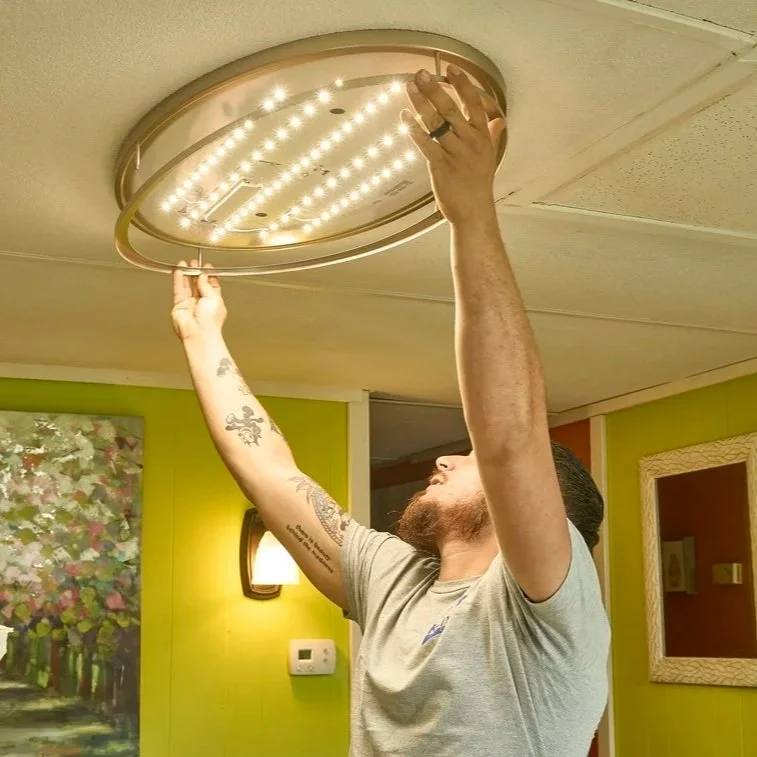
Electrician installing ceiling lighting highlights how everyday comfort devices increase residential electrical demand and require safe wiring and outlet reliability.
Why Florida Homes Quietly Rely On Electric Blankets More Than People Admit
Electric blankets feel like a small comfort, especially in Florida, where winter feels brief and unpredictable. Cold snaps arrive suddenly, indoor temperatures drop faster than expected, and central heating rarely warms bedrooms evenly. One side of the house feels tolerable while the other turns icy after midnight. That mismatch leads homeowners to search phrases like “are electric blankets safe to use in Florida” because the need feels real, even if the season is short.
What often gets overlooked is how electric blankets change electrical use patterns inside the home. They draw steady power for hours at a time, often overnight, when people are less aware of what is happening around them. Florida homes already operate under higher humidity and electrical wear from year-round cooling demands. Adding an overnight heating load creates stress that shows up as warm outlets, flickering lights, or unexplained breaker trips, frustrating homeowners long before they think about electrical safety.
The Common Belief That Electric Blankets Are Low Risk Because They Are Small
Electric blankets look harmless. They feel soft, flexible, and low-profile compared to space heaters or large appliances. That appearance creates a false sense of security. Many homeowners assume that if a blanket plugs into a standard outlet, it must be safe for long-term use. Searches like “can electric blankets cause electrical problems” usually happen only after something feels off.
Electric blankets draw a constant current for extended periods. Internal heating wires warm gradually and stay active for hours. That sustained load affects outlets, cords, and circuits in ways short-use devices do not. Over time, repeated use exposes weak connections and worn wiring. Problems rarely show up immediately. Instead, they build quietly until a cord heats up, a breaker trips overnight, or the blanket stops working unexpectedly during cold weather.
Why Florida Electrical Conditions Matter With Heated Bedding
Florida homes face electrical conditions that differ from those in colder climates. High humidity affects insulation, plug contacts, and internal wiring over time. When homeowners search “why does my outlet feel warm with an electric blanket,” moisture often plays a role alongside electrical demand. Even small amounts of corrosion increase resistance, which creates heat during steady use.
Many Florida homes also have older bedroom circuits designed for lamps and alarm clocks, not continuous heating devices. Electric blankets run continuously while occupants sleep. That constant load stresses circuits that were never meant for heating appliances. Over time, repeated winter use accelerates wear on outlets and breakers, creating reliability issues that seem unrelated until patterns become obvious.
The Mistake Of Using Older Or Secondhand Electric Blankets
Electric blankets often get reused year after year or passed down within families. Many homeowners pull one out of storage without much thought. Searches like “is it safe to use an old electric blanket” spike each winter for good reason. Aging blankets pose unique risks.
Internal wiring degrades over time, especially if blankets have been folded tightly or stored improperly. Cracked insulation inside the fabric cannot be seen from the outside. When power flows through damaged wiring, localized heat builds up. Florida humidity accelerates internal deterioration even when blankets look fine. Continued use increases the risk of electrical failure or overheating, which can disrupt sleep and raise safety concerns.
Why Extension Cords And Electric Blankets Do Not Mix Well
Bedroom outlets are never in the right place. Many homeowners run extension cords under beds or rugs to reach outlets. Searches like “can I use an extension cord with an electric blanket” reflect how common this practice is. Unfortunately, extension cords introduce additional risk.
Most extension cords are not designed for continuous loads over many hours. They heat up internally, especially when coiled or compressed under furniture. Florida's warmth and humidity worsen insulation breakdown. Over time, cords can become brittle or develop internal damage while still appearing normal. That hidden damage increases fire risk and electrical failure during overnight use when detection is delayed.
Why Outlet Condition Matters More Than Blanket Brand
Homeowners often focus on the blanket itself while overlooking the outlet it plugs into. Searches like “electric blanket trips outlet” or “plug feels loose with heated blanket” signal outlet-related issues rather than blanket defects. Outlet wear is common in bedrooms that see frequent plugging and unplugging.
Loose outlets allow arcing behind the wall. That arcing creates heat that damages wiring insulation slowly. Electric blankets amplify the issue by drawing a steady current. Over time, outlets discolor, crack, or fail. These failures can be frustrating when blankets stop working or breakers trip unexpectedly during cold nights.
How Breakers Respond To Overnight Heating Loads
Breakers protect wiring by responding to overload and heat. Homeowners often ask, “Why did my breaker trip overnight?” after running electric blankets. Overnight loads differ from daytime use because they last longer and coincide with other systems cycling on and off.
Repeated overnight tripping weakens breakers. Breakers that trip often become less predictable over time. They may trip too easily or respond too slowly. Florida panels already manage heavy cooling loads most of the year. Adding overnight heating stress increases cumulative wear that homeowners do not associate with a single blanket until patterns emerge.
The False Comfort Of Automatic Shutoff Features
Modern electric blankets advertise automatic shutoff timers and safety controls. While helpful, these features do not eliminate electrical risk. Homeowners search “are electric blankets with auto shutoff safe” and assume built-in protections solve everything.
Automatic shutoff addresses overheating within the blanket, not wiring stress in the home. The blanket still draws power for hours before shutting off. Outlets, cords, and circuits still experience sustained load. Overreliance on features encourages longer use and less attention to warning signs, such as warm plugs or flickering lights.
Why Folding And Layering Blankets Creates Hidden Problems
Many people fold electric blankets to concentrate warmth or layer them with comforters. Searches like “can you fold an electric blanket” come up often. Folding concentrates heat in specific areas of the internal wiring.
Heat buildup damages insulation and wiring inside the blanket. Over time, folded sections degrade faster. Layering blankets traps heat, raising internal temperatures beyond intended limits. Florida homes already hold heat differently due to humidity, increasing internal stress. Repeated folding shortens the lifespan of the blanket and increases the risk of electrical shock, even when used for short periods.
Bedrooms Are The Highest Risk Area For Heated Bedding
Bedrooms see the longest and least supervised use of electric blankets. Homeowners search “is it safe to sleep with an electric blanket on” because the risk feels abstract until something happens. Nighttime use delays detection of overheating, tripping, or failure.
Bedrooms often share circuits with lighting and outlets. When blankets run overnight, any underlying wiring weakness becomes more pronounced. Over months of use, nightly demand accelerates wear and creates reliability issues that disrupt sleep and routine. These problems often surface during the coldest nights when comfort matters most.
Florida Timing Makes Electric Blanket Use Feel Harmless
Florida winters feel short and mild, which makes electric blanket use feel temporary. Homeowners search “do electric blankets really matter in Florida” because usage seems limited. Short seasons still create long-term effects.
Electrical wear does not reset when temperatures rise. Each winter adds stress that compounds quietly. Outlets, breakers, and wiring age incrementally. By the time problems feel serious, the connection to electric blankets feels distant, even though the pattern exists.
Why Repeated Small Issues Signal Bigger Electrical Concerns
Minor annoyances often get ignored. Warm cords, faint smells, or occasional breaker trips feel manageable. Searches like “why does my electric blanket stop working randomly” reflect growing frustration rather than isolated defects.
Electrical systems communicate problems early through small disruptions. Paying attention to those signs helps homeowners avoid sudden failures, damaged wiring, or safety risks. Recognizing patterns reduces stress and prevents cold nights from turning into bigger electrical headaches.
When Professional Experience Clarifies Real Risk
Electricians see patterns that homeowners rarely connect. Kennedy Electric works with Florida homeowners who experience outlet damage, breaker wear, and wiring issues tied to heated bedding habits. Experience reveals how small, seasonal devices affect systems over time.
Professional insight helps homeowners understand limits without fear or guesswork. Knowledge builds confidence and helps families stay comfortable without adding hidden electrical strain during the winter months.
FAQs
Electric blankets can be used cautiously, but Florida homes often have wiring and outlets affected by humidity and age. Safe use depends on outlet condition, circuit capacity, and proper handling.
Warm plugs indicate resistance and sustained electrical load. Heat buildup at the outlet or in the wiring is a sign of stress and should not be ignored.
Overnight use increases risk because issues may go unnoticed. Long run times place continuous stress on outlets, cords, and circuits.
Older blankets often have internal wiring wear that is not visible. Aging insulation increases the risk of overheating and electrical failure.
Extension cords are not designed for long-duration heating loads. Using them increases heat buildup and electrical risk, especially overnight.
