Back-to-School Electrical Safety Tips for Florida Parents
The kids are finally back on schedule, backpacks hit the floor, and suddenly every outlet in the house is in use at once. Laptops hum, chargers sprawl across the kitchen counter, fans run nonstop, and breakers start tripping right when homework is due.
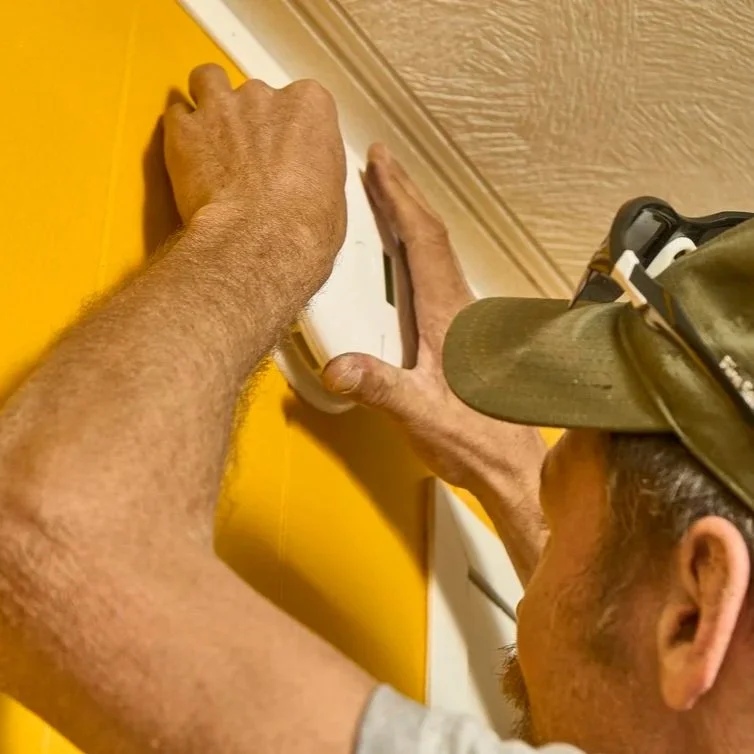
Back-to-school device charging setup highlights increased household electrical demand, shared outlets, busy routines, and everyday family power usage patterns.
Back-to-School Season Quietly Changes How Your Electrical System Gets Used
Back-to-school season does not just change daily routines. It changes how your home uses electricity from morning until night. Florida parents often focus on bus schedules, lunches, and after-school activities while missing how dramatically electrical demand spikes once school starts. Devices that sat idle during the summer suddenly run for hours every day, often all on the same circuits. Bedrooms become mini tech hubs. Kitchens double as charging stations. Living rooms host routers, printers, and homework setups all pulling power at once.
Many parents start searching things like “why does my breaker keep tripping after school starts” or “outlets feel warm when kids charge devices” because these patterns show up fast. The system may have handled summer use just fine, but back-to-school brings consistent, concentrated demand. When electrical systems are already aging, worn, or have outdated layouts, the strain shows through flickering lights, buzzing outlets, or constant inconvenience that interrupts already busy evenings.
Why Florida Homes Feel Electrical Stress Faster Than Expected
Florida homes deal with unique electrical stress even before kids plug anything in. Heat, humidity, and long cooling seasons push systems harder than in many other regions. When back-to-school arrives, that baseline stress increases. Air conditioning still runs heavily, ceiling fans spin all day, and now personal electronics add to that load. Parents often assume problems only happen during storms or outages, not during normal weekday afternoons.
Humidity also plays a role parents rarely consider. Moisture affects outlets, panels, and wiring insulation over time. When devices draw power continuously, small weaknesses become noticeable. An outlet that never felt warm before suddenly does. A circuit that never tripped now struggles under predictable use. These signs matter because they signal stress that can worsen if ignored, especially during the busiest months of the school year.
The Common Mistake of Treating Power Strips Like Permanent Solutions
One of the biggest back-to-school electrical mistakes involves power strips. Parents use them everywhere because they seem convenient and harmless. Desks, bunk beds, entertainment centers, and kitchen counters end up with strips feeding multiple devices at once. Many parents search “is it safe to use power strips for laptops and chargers” without realizing how easily these setups overload circuits.
Power strips do not add capacity. They only divide what already exists. When several high-draw devices are used together, heat builds up in outlets and cords. Over time, this leads to loose connections, damaged receptacles, and increased fire risk. Florida homes already experience higher ambient temperatures, which reduce tolerance to excess heat. Treating power strips as permanent fixes creates hidden risks that grow with every school week.
Why Bedrooms Become Electrical Hotspots During the School Year
Bedrooms quietly turn into some of the most electrically active spaces in the house once school starts. Laptops, tablets, phones, gaming systems, lamps, and fans often share a small number of outlets. Parents frequently ask, “Why does my child’s room keep losing power?” because those circuits were never designed for sustained loads.
Children also unplug and plug devices frequently, which wears out outlets faster. Loose outlets cause arcing and heat buildup that goes unnoticed behind furniture. Over time, this leads to unreliable power and safety concerns. Parents may only notice when chargers stop working properly or when lights flicker during homework time. Addressing bedroom electrical use matters because these spaces experience daily, long-term demand rather than occasional spikes.
Kitchen Counters Turn Into Charging Stations Without Warning
During the school year, kitchens become command centers. Chromebooks charge next to coffee makers. Tablets sit near microwaves. Parents search “can I charge devices on kitchen counters safely” after noticing cords tangled around appliances. The issue is not just clutter. Kitchens already draw heavy electrical loads through major appliances.
Adding multiple chargers to countertop outlets can strain circuits designed for intermittent use. Heat-producing appliances running alongside electronics raise temperatures inside wiring and receptacles. Over time, outlets wear out faster and breakers trip unexpectedly. These inconveniences disrupt routines and create frustration during already hectic mornings and evenings.
The False Assumption That Childproof Covers Solve Electrical Safety
Many Florida parents rely on outlet covers as their primary electrical safety measure. While covers help with toddlers, they do not address the broader risks that come with increased electrical use during the school year. Parents searching “are outlet covers enough for electrical safety” often overlook system-level issues.
Covers do nothing to prevent overloaded circuits, worn wiring, or overheating outlets. Older children interact with devices constantly, plugging and unplugging cords without realizing when something feels off. Warm plugs, buzzing sounds, or loose outlets get ignored because power still works. Over time, those warning signs turn into real problems that affect safety and reliability across the home.
Why Older Wiring Struggles With Modern School Technology
Many Florida homes still rely on wiring layouts designed decades ago. Back-to-school technology demands expose those limitations quickly. Parents type “Is old wiring safe for modern electronics?” after noticing odd behavior from devices. Older wiring handles lower loads less efficiently and reacts poorly to continuous demand.
As insulation ages, its resistance increases, leading to increased heat under load. Modern chargers pull power differently than older electronics, stressing circuits in new ways. Ignoring these mismatches leads to tripped breakers, inconsistent charging, and long-term damage. Addressing wiring capacity matters because the school year brings months of daily strain rather than occasional use.
Why Extension Cords Create More Problems Than They Solve
Extension cords feel like easy answers when outlets are scarce. Parents run cords under beds, across desks, and along baseboards without thinking twice. Searches like “is it safe to use extension cords for school devices” spike every fall. The reality is that extension cords are meant for temporary use, not daily routines.
Continuous use causes cords to heat up, degrade, and fail. Pinched cords under furniture worsen the risk. Florida heat accelerates this wear. Over time, cords become brittle or damaged internally while still looking fine outside. These conditions create safety hazards that often go unnoticed until something stops working or smells off.
Why Electrical Panels Feel the Strain After School Starts
Electrical panels respond to changes in household demand whether homeowners notice or not. Back-to-school schedules create predictable surges in late afternoons and evenings. Parents searching for “why do breakers trip at the same time every day” often find the answer lies in routines rather than random faults.
Panels with limited capacity or aging breakers struggle to balance loads. Repeated tripping weakens breakers over time, making them less reliable. Eventually, panels react too slowly or too often, increasing frustration and safety concerns. Understanding how daily schedules affect the panel helps explain why issues appear suddenly in September rather than gradually over the years.
The Overlooked Role of GFCI and AFCI Protection for Families
Protective devices like GFCI and AFCI outlets matter more during the school year than many parents realize. Parents ask, “Why does the outlet trip when my kid plugs in a laptop?” without understanding that these devices respond to irregular current flow. Moisture, damaged cords, or loose connections trigger protective shutdowns.
Florida homes face higher humidity levels that increase nuisance tripping. While inconvenient, these trips signal underlying issues that deserve attention. Ignoring them teaches children to reset outlets instead of recognizing warning signs. Over time, small problems escalate into repeated disruptions or unsafe conditions.
How Daily Inconvenience Signals Bigger Electrical Issues
Parents often tolerate minor annoyances because schedules feel overwhelming. Flickering lights, warm chargers, and occasional outages seem manageable until they stack up. Searches like “why does my house feel underpowered after school” reflect growing frustration rather than isolated incidents.
Daily inconveniences matter because they reveal patterns. Electrical systems rarely fail without warning. They communicate through small disruptions first. Paying attention to these signs helps families avoid larger problems that interrupt routines, damage devices, or compromise safety during the busiest part of the year.
Timing Matters More Once School Is in Session
Addressing electrical concerns feels harder once routines settle in. Waiting until mid-semester often means reacting instead of planning. Parents ask, “Should I fix electrical issues during the school year?” because they worry about disruption. In reality, unresolved issues create more disruption long-term.
School-year demand stays consistent for months. Electrical systems do not get rest periods the way summer usage sometimes allows. Small weaknesses compound faster. Timing matters because addressing issues early prevents repeated frustration, lost homework time, and unnecessary stress for the entire household.
Local Experience Makes a Difference in Florida Homes
Electrical systems in Florida behave differently from those in cooler, drier climates. Professionals who understand these conditions recognize patterns others miss. Kennedy Electric works with Florida families who experience the same seasonal shifts and school-year demands year after year.
Experience helps identify risks tied to humidity, heat, and daily routines. That perspective allows families to understand why problems appear when they do and how to address them thoughtfully rather than reactively. Knowledge builds confidence and reduces the sense that electrical issues always show up at the worst times.
FAQs
Outlets feel warm because multiple devices draw power continuously on the same circuit. Heat buildup signals stress that can worsen over time, especially in warm Florida homes.
Frequent plugging and unplugging wear out outlets faster, which can loosen connections and cause overheating. Loose outlets should be addressed to reduce safety risks.
Breakers trip more often because daily routines concentrate electrical demand into predictable periods. Aging panels or overloaded circuits struggle under consistent use.
Power strips divide existing power but do not increase capacity. Using them long-term for multiple devices increases heat and overload risks.
Frequent GFCI trips indicate irregular current flow, moisture, or wiring issues. These warnings matter and should not be ignored or bypassed.