

Connecting New Light Fixtures to Old Wiring: What to Know
Why does the brand new light fixture look great in the box but suddenly feel risky once you see the old wiring hanging out of the ceiling? You take down that outdated brass fixture, see cloth-covered wires or a metal box that looks older than the house paint, and now what was supposed to be a quick weekend upgrade turns into hesitation and a growing knot in your stomach.
That moment usually leads to frustration and second-guessing. Homeowners want updated lighting and a cleaner look, but they also worry about safety, hidden fire risks, and making a small mistake that could lead to expensive repairs later. Connecting new light fixtures to old wiring feels simple on the surface, yet it often exposes deeper electrical realities that cannot be ignored.
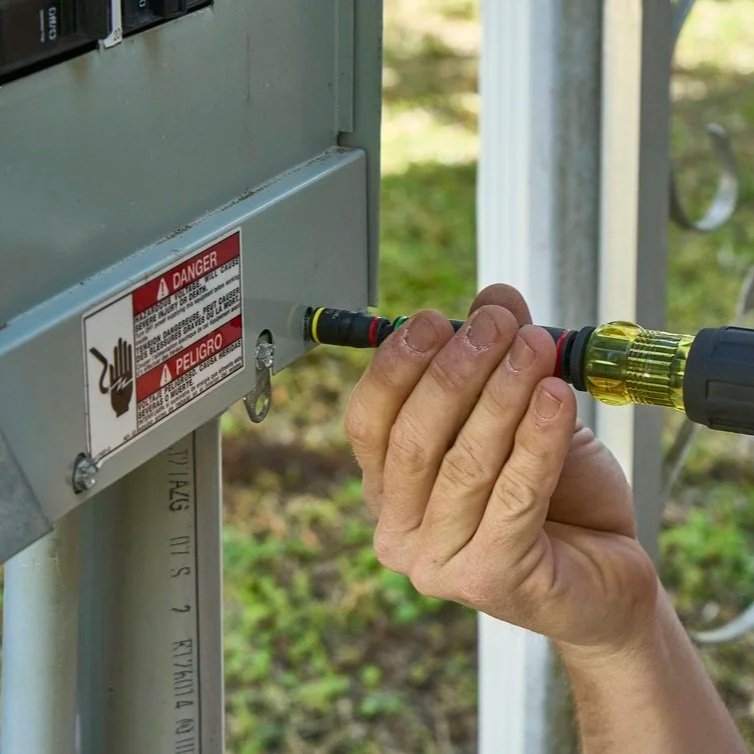
Electrician servicing outdoor electrical disconnect box to ensure safe wiring connections, reliable power distribution, and long-term system performance.
Why Homeowners Keep Searching “Can I Connect A New Light Fixture To Old Wiring?”
Can I connect a new light fixture to old wiring is one of the most common questions I hear when someone starts updating their home. The question usually comes after pulling down an old fixture and realizing the wiring behind it looks nothing like what they saw in a tutorial video. Instead of neat plastic-coated wires with clear color coding, they find brittle insulation, faded conductors, or even aluminum wiring.
The hesitation makes sense. New light fixtures are designed with modern electrical standards in mind. Old wiring systems may predate current grounding requirements, use outdated insulation materials, or lack the capacity to handle modern loads. Homeowners often assume that if the old fixture worked fine, the new one will too. That assumption can create long-term problems because compatibility goes beyond simply twisting wires together.
In Florida, many homes built decades ago still operate on original wiring. Add humidity, attic heat, and years of expansion and contraction, and the wiring behind that ceiling box may not be in the same condition it was when installed. Understanding the relationship between new fixtures and old wiring prevents daily inconvenience and avoids hidden safety concerns.
What “Old Wiring” Really Means And Why It Matters
Old wiring can mean several things, and not all of it is automatically dangerous. It might refer to cloth-insulated copper wiring, aluminum branch circuits, ungrounded two-wire systems, or aging junction boxes that no longer meet modern expectations. Each type brings different considerations when connecting new light fixtures.
Cloth-insulated wiring, common in mid-century homes, often becomes brittle over time. The insulation flakes away, exposing copper and increasing the risk of short circuits. Aluminum wiring expands and contracts more than copper, which can loosen connections over time and create heat buildup at fixtures. Ungrounded systems lack the third wire that modern fixtures often expect for safety.
Homeowners frequently underestimate how these differences affect installation. A new light fixture may include a grounding conductor that has nowhere to connect. It may also require a stable, tight connection that aging wiring cannot reliably provide. Ignoring these differences can result in flickering lights, warm connections, or long-term degradation that does not show up immediately.
The Common Mistake Of Assuming “If It Worked Before, It’s Fine”
One of the most common homeowner assumptions is that if the old light fixture functioned without obvious problems, the wiring must be safe. That logic feels reasonable because the system has likely been in place for years. The problem is that electrical wear happens gradually and often invisibly.
Old fixtures often draw less power than modern designs. Incandescent bulbs generate heat differently from LED fixtures with integrated drivers. New lighting may include dimming components or electronic controls that are more sensitive to voltage fluctuations. Connecting new light fixtures to old wiring without considering these changes can expose weaknesses that never mattered before.
Over time, loose connections inside an old junction box can create resistance and heat. A new fixture might draw power more consistently, revealing those weak spots through flickering or nuisance breaker trips. Waiting until symptoms become obvious increases repair complexity and risk.
Grounding And Why It Is Often The Missing Piece
Why does my new light fixture have a ground wire, but the ceiling doesn’t is a question many homeowners ask once the old fixture comes down. Grounding provides a safe path for electrical faults. Modern fixtures assume grounding is present because it reduces shock risk and improves overall safety.
Older homes sometimes lack grounding conductors in lighting circuits. Connecting the new fixture without addressing grounding may technically allow it to function, but it removes an important layer of protection. In humid Florida environments, grounding matters even more because moisture increases conductivity and risk.
Ignoring grounding does not usually cause immediate visible failure. Instead, it increases vulnerability over time. A fault inside the fixture may energize metal components, creating a shock hazard. Correcting grounding often involves evaluating the entire circuit rather than simply modifying one fixture location.
Junction Boxes and Why They Cannot Be Overlooked
Junction boxes serve as protective enclosures for electrical connections. Many older homes have metal boxes that remain structurally sound, but others show corrosion, loose mounting, or inadequate support for heavier modern fixtures.
New light fixtures often weigh more than older ones, especially if they include glass, integrated LED assemblies, or decorative elements. Attaching them to boxes not rated for the weight creates strain on wiring and mounting screws. Over time, that strain can loosen connections or damage the ceiling.
Homeowners sometimes focus entirely on wiring and overlook the box itself. A properly secured, stable junction box protects the fixture and its wiring. Evaluating the box prevents long-term sagging, loose connections, and cosmetic damage to ceilings.
Aluminum Wiring And Special Considerations
'How do I know if I have aluminum wiring' is another search that frequently follows fixture removal. Aluminum wiring was used in many homes during certain decades and behaves differently from copper. It expands and contracts more with temperature changes, which can loosen connections over time.
Connecting new light fixtures directly to aluminum wiring without proper connectors increases the risk of overheating. Specialized connectors and antioxidant compounds are often required to create safe, lasting connections. Skipping these steps may not cause immediate failure, but it increases long-term fire risk.
Florida heat amplifies expansion and contraction cycles. Over time, that movement stresses connections behind fixtures. Recognizing aluminum wiring and addressing it properly protects both the fixture and the broader electrical system.
The Shortcut Of Using Quick Fix Adapters
Homeowners sometimes rely on quick-fix adapters or wire connectors meant to simplify installation. While some products are safe when used correctly, using them to bypass compatibility issues can create hidden problems.
Adapters that convert ungrounded systems or allow fixture mounting without addressing box support only mask underlying deficiencies. They create the illusion of completion without resolving structural or safety concerns. Over time, small shortcuts compound into larger issues.
Correct installation considers wiring conditions, grounding, box rating, and fixture requirements as part of a complete system. Taking the time to evaluate each element prevents future inconvenience and repeated repairs.
How Humidity And Heat Affect Old Wiring In Florida
Florida homes face environmental stress that accelerates aging. Attics reach high temperatures, and humidity levels remain elevated for much of the year. Those conditions degrade insulation and corrode metal components faster than in milder climates.
Old wiring behind ceilings absorbs years of expansion, contraction, and moisture exposure. Even if it appears intact, internal connections may have loosened or oxidized. Connecting new light fixtures to old wiring without evaluating the condition can result in intermittent issues that appear months later.
Homeowners often notice flickering lights during summer heat waves or after heavy rain seasons. Those symptoms frequently trace back to aging connections rather than the new fixture itself. Addressing environmental wear prevents misdiagnosis and unnecessary replacements.
When Updating Wiring Makes More Sense Than Adapting
Sometimes the best solution is not adapting new fixtures to old wiring but updating the wiring itself. Homeowners often hesitate because rewiring sounds invasive and expensive. In some cases, limited circuit updates provide long term stability without full home rewiring.
Updating wiring improves grounding, stabilizes voltage, and supports modern fixtures and devices. It also reduces fire risk and increases property value. While connecting new light fixtures to old wiring can work in many situations, recognizing when wiring has reached the end of its reliable lifespan prevents repeated frustration.
Kennedy Electric frequently evaluates these situations with homeowners who want clarity rather than pressure. Understanding options allows informed decisions that balance budget, safety, and long-term performance.
How Professional Evaluation Changes The Outcome
Electricians approach fixture installation differently from quick DIY attempts. Instead of focusing solely on matching wire colors, professionals evaluate circuit load, box support, grounding, and environmental exposure. That broader view identifies hidden risks before they become visible problems.
Homeowners often call after experiencing flickering, tripped breakers, or warm fixture bases. Those symptoms usually reflect connection or compatibility issues rather than defective fixtures. Early evaluation avoids repeat work and restores confidence in the system.
Connecting new light fixtures to old wiring is possible in many Florida homes. The key lies in understanding what lies behind the ceiling and addressing weaknesses rather than assuming compatibility.
FAQs
A new fixture may function on ungrounded wiring, but grounding improves safety significantly. Evaluating options for adding grounding or upgrading circuits reduces long term risk.
Cloth wiring is not automatically unsafe, but insulation can become brittle with age. Inspecting the condition before connecting new fixtures prevents exposed conductors and shorts.
Heavier fixtures often require junction boxes rated for additional weight. Installing them on unsupported boxes can loosen connections and damage ceilings over time.
Signs include brittle insulation, aluminum conductors, frequent flickering, or warm connections. Professional evaluation provides clarity without unnecessary guesswork.
LED fixtures draw less power but may include electronic components sensitive to poor connections. Stable wiring and proper grounding improve long-term performance.
