

Carbon Monoxide Safety: What Every Florida Homeowner Should Know
Why is the carbon monoxide alarm going off at 2 a.m. when nothing smells like smoke? And why do I suddenly feel dizzy in my own living room?
You reset the alarm, crack a window, and hope it was a glitch. Meanwhile, that uneasy feeling lingers because carbon monoxide lacks a warning smell, and ignoring it can turn a quiet night at home into a medical emergency.
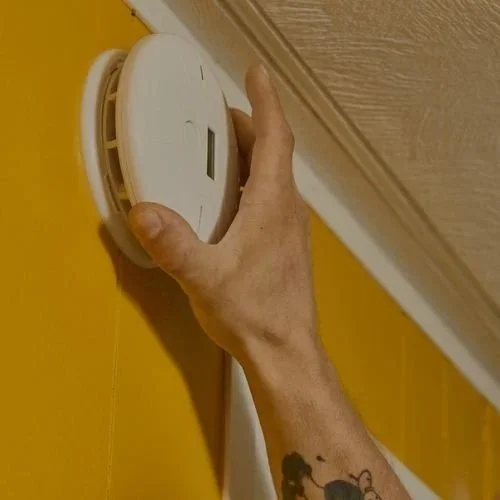
Homeowner installing carbon monoxide detector to improve indoor safety and provide early warning against invisible gas exposure inside living spaces.
The Silent Gas You Cannot See or Smell
Carbon monoxide is often called the 'silent killer' for a reason. It is colorless, odorless, and invisible. Unlike smoke, it does not irritate your eyes or make you cough. Many Florida homeowners assume that because they do not use gas heating as much as residents in colder states, carbon monoxide safety is less of a concern. That assumption creates a dangerous gap in awareness.
Any fuel-burning appliance can produce carbon monoxide. Gas water heaters, stoves, fireplaces, generators, and even vehicles running in attached garages are potential sources. In Florida, portable generators are commonly used during hurricane season and extended power outages. When generators are placed too close to windows or doors, exhaust fumes can drift inside. Homeowners often focus on keeping refrigerators and air conditioners running during storms, while overlooking how exhaust gases move around the property. Without proper ventilation and detector placement, exposure can occur quietly while families believe they are safe indoors.
Why Carbon Monoxide Is So Dangerous
Carbon monoxide interferes with your body’s ability to carry oxygen. When inhaled, it binds to hemoglobin in the blood more readily than oxygen does. That prevents oxygen from reaching vital organs. Early symptoms resemble common illnesses, which is why many homeowners dismiss them.
Headaches, dizziness, nausea, and fatigue are typical early signs. In a Florida home, those symptoms may be mistaken for dehydration, heat exhaustion, or a mild flu. If exposure continues, confusion, loss of consciousness, and even death can occur. The danger escalates because individuals often do not realize what is happening until it is too late. Carbon monoxide exposure can affect multiple family members simultaneously, making it particularly alarming. If everyone in the house feels unwell at the same time, that pattern should never be ignored.
Why Do I Need A Carbon Monoxide Detector In Florida?
Why do I need a carbon monoxide detector in Florida if I do not use gas heat? That is one of the most common questions I hear.
Even homes without gas furnaces may have other fuel-burning appliances. Gas water heaters are common. Outdoor kitchens, fireplaces, and attached garages increase potential exposure. Vehicles idling in a garage, even briefly, can allow carbon monoxide to seep into living spaces. Hurricane season adds another layer. Generators placed near entry points create a risk that many homeowners underestimate.
Florida building codes now require carbon monoxide alarms in certain circumstances, particularly when fuel-burning appliances or attached garages are present. Beyond code requirements, detectors provide a layer of protection that compensates for human senses. You cannot rely on smell or sight. A properly installed and maintained carbon monoxide detector becomes your early warning system. It gives you time to leave the area and address the source before symptoms worsen.
Common Mistake: Installing One Detector And Forgetting About It
Many homeowners believe that installing one carbon monoxide alarm near the kitchen is sufficient. That belief is incomplete. Proper placement matters.
Carbon monoxide mixes evenly with air, so detectors should be installed outside sleeping areas and on every level of the home. In larger Florida homes, relying on a single device may leave distant bedrooms unprotected. Placement near, but not directly beside, fuel-burning appliances is also important to prevent nuisance alarms while still providing early detection.
Maintenance is equally critical. Detectors have expiration dates. Sensors degrade over time and lose accuracy. Homeowners often forget to replace units every 5 to 7 years, as recommended by manufacturers. Dead batteries are another common issue. A chirping alarm may be ignored for days because it feels like a minor annoyance. That daily inconvenience becomes a serious vulnerability if the device fails when needed most. Regular testing and battery replacement are small habits that support long-term safety.
Generators And Hurricane Season Risks
Hurricane season changes how households in Florida operate. When power goes out, generators become lifelines. Unfortunately, they also become significant carbon monoxide hazards if misused.
Portable generators should never be operated inside garages, even with the doors open. Exhaust can accumulate quickly and infiltrate the home. Placing a generator too close to windows, doors, or vents allows fumes to enter through small openings. Carbon monoxide can build up rapidly in enclosed or semi-enclosed spaces.
After major storms, news reports often describe preventable carbon monoxide poisoning incidents. Homeowners are focused on keeping food cold, charging phones, and maintaining some level of comfort. Safety practices may slip during stressful conditions. Planning generator placement in advance reduces risk. Establishing a designated outdoor location far from openings and confirming that carbon monoxide detectors are functional before storm season begins creates a safer environment during extended outages.
Gas Appliances And Venting Issues
How do I know if my gas appliance is leaking carbon monoxide? That search question usually follows a strange smell, a malfunctioning flame, or an alarm event.
Gas appliances require proper venting to expel combustion gases outdoors. Blocked or damaged flue pipes can cause exhaust to backdraft into the home. Corrosion, loose connections, and debris buildup compromise venting systems. In Florida’s humid climate, metal vent components may rust more quickly. Wildlife sometimes nests in vent openings, creating obstructions.
Improper installation also contributes to risk. Appliances must be sized correctly and adjusted for proper combustion. A yellow or flickering flame instead of a steady blue flame may indicate incomplete combustion. Homeowners who notice soot buildup or persistent pilot light issues should take them seriously. Annual inspections of fuel-burning appliances reduce the chance of unnoticed venting failures. Electrical components, such as exhaust fans and interconnected alarm systems, also play a role in maintaining safe indoor air quality.
Carbon Monoxide Versus Smoke Detection
Carbon monoxide alarms and smoke detectors serve different purposes. Some newer devices combine both functions, but understanding the distinction matters.
Smoke detectors respond to particulate matter from fires. Carbon monoxide alarms detect gas levels in the air. One does not replace the other. In Florida, homes with interconnected alarm systems benefit from both types, providing comprehensive protection.
Testing procedures differ slightly. Smoke detectors can be tested using built-in test buttons and, occasionally, with approved testing sprays. Carbon monoxide detectors require similar routine testing and periodic sensor replacement. Homeowners sometimes assume that because their smoke alarms are working, their home is fully protected. Without dedicated carbon monoxide detection, a critical gap remains.
Electrical Integration And Smart Home Systems
Modern homes increasingly rely on interconnected alarm systems. Hardwired carbon monoxide detectors with battery backup provide continuous monitoring and can communicate with other alarms in the house. When one device senses danger, all units sound simultaneously.
Smart home integration adds another layer. Some systems send alerts to smartphones when carbon monoxide levels rise. That feature can be valuable for families who travel frequently or maintain second homes in Florida. Electrical installations must comply with code requirements to ensure proper power supply and interconnection.
At Kennedy Electric, we often integrate carbon monoxide detection into broader electrical upgrades. During panel replacements, renovations, or lighting projects, homeowners may choose to modernize alarm systems. Coordinating these upgrades improves overall reliability and reduces the clutter of mismatched battery-operated units scattered throughout the home.
Recognizing Symptoms And Responding Quickly
What should I do if my carbon monoxide alarm goes off? Immediate action matters. Leave the home and move to the fresh air. Call emergency services or the local fire department to assess the situation. Do not reenter until professionals confirm it is safe.
Do not assume it is a false alarm. Even if symptoms seem mild, exposure levels can escalate quickly. Headaches, nausea, and confusion should not be dismissed, especially if multiple household members feel unwell simultaneously.
After the source is identified, repairs should address the underlying causes rather than resort to temporary fixes. Venting corrections, appliance servicing, or relocating generators are practical steps. Carbon monoxide safety is not about living in fear. It is about understanding how your home systems operate and responding appropriately when warning signs appear.
FAQs
Homes with fuel-burning appliances or attached garages should have carbon monoxide detectors installed. Even in homes without gas heating, generators and vehicles create potential exposure risks, especially during hurricane season.
Detectors should be placed outside sleeping areas and on each level of the home. Avoid installing them directly next to fuel-burning appliances, but position them close enough to detect elevated gas levels early.
Most carbon monoxide detectors have a lifespan of five to seven years. Check manufacturer recommendations and replace units when they reach expiration to maintain accurate detection.
Common early symptoms include headache, dizziness, nausea, and fatigue. If multiple people in the home experience these symptoms simultaneously, leave immediately and seek medical evaluation.
Opening windows may temporarily dilute gas levels, but it does not eliminate the source. Proper repairs and ventilation corrections are necessary to address the root cause and restore safe indoor air quality.
